food
Delicioso: Meaning, Usage, Culture, and Why Everyone Loves This Word

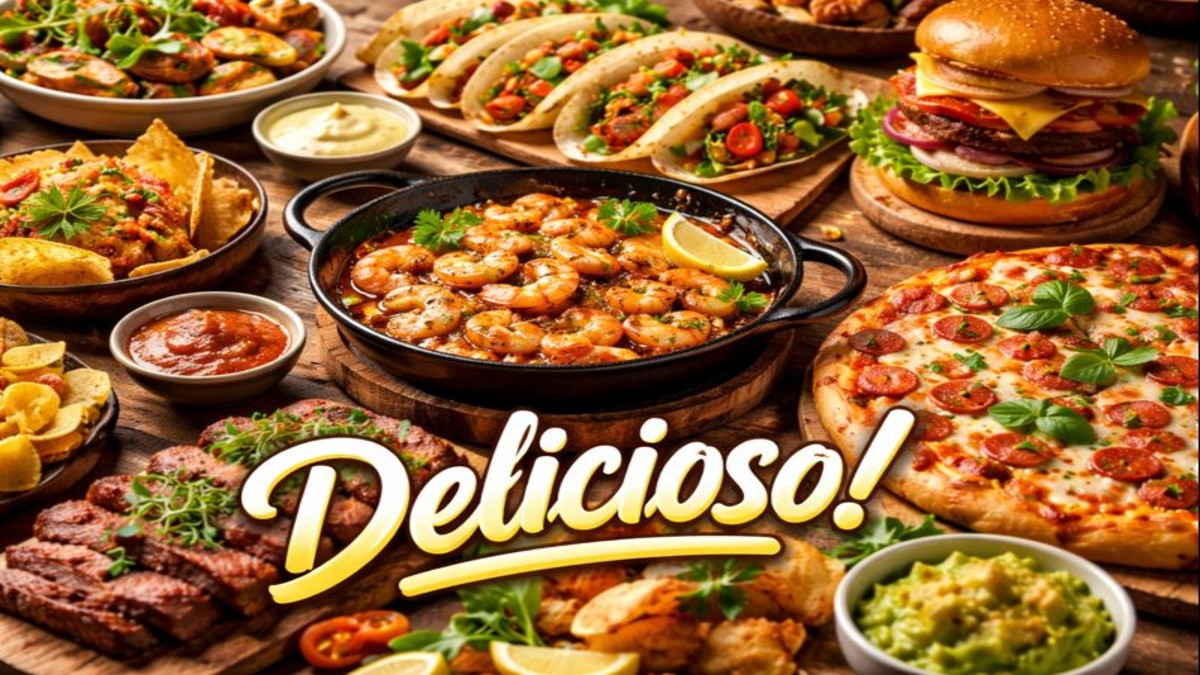
Some words just feel good when you say them. Delicioso is one of those words. It rolls off the tongue, sparks the imagination, and instantly makes you think of amazing food and joyful moments. But “delicioso” is more than just a food compliment—it’s a cultural expression packed with emotion.
Let’s explore why this simple word has such a powerful flavor.
What Does “Delicioso” Mean?
At its core, delicioso means delicious. Simple, right? But like many words, its meaning goes deeper than a dictionary definition.
Literal Meaning
In both Spanish and Portuguese, delicioso is used to describe something that tastes extremely good. It’s the kind of word you say after the first bite—not the last.
Language Origins
The word comes from Latin deliciosus, meaning “giving pleasure.” That root explains why it’s not just about taste—it’s about enjoyment.
Delicioso in Everyday Language
How Native Speakers Use It
Native speakers use “delicioso” casually and emotionally. It’s often said with enthusiasm, maybe even a smile or closed eyes, as if the taste deserves a moment of silence.
Informal vs Formal Contexts
You’ll hear it everywhere—from home kitchens to fine-dining restaurants. It works just as well at a family table as it does on a restaurant menu.
Delicioso in Food and Cuisine
Why Food Is the First Thing We Think Of
Food and emotion go hand in hand. When something tastes incredible, “delicioso” becomes the natural reaction—like applause for your taste buds.
Famous Foods Often Called Delicioso
- Tacos al pastor
- Paella
- Churros
- Brigadeiro
- Freshly baked bread
If comfort food had a voice, it would probably whisper “delicioso.”
Delicioso Across Different Cultures
Spanish-Speaking Countries
In Spain and Latin America, “delicioso” is part of everyday life. It’s used freely, warmly, and often loudly.
Portuguese Influence
In Brazil and Portugal, “delicioso” carries the same joyful meaning, often paired with expressive body language and smiles.
Global Popularity
Thanks to travel, food culture, and social media, “delicioso” has crossed borders. Even people who don’t speak Spanish know exactly what it means.
Delicioso Beyond Food
Compliments and Emotions
Surprisingly, “delicioso” isn’t limited to food. It can describe smells, moments, and even experiences—like a beautiful vacation or a perfect song.
Lifestyle and Experiences
A relaxing beach day? Delicioso.
A cozy homemade meal? Delicioso.
Life going just right? Absolutely delicioso.
Why “Delicioso” Sounds So Appealing
Phonetics and Emotion
The soft de, rolling li, and strong so give the word rhythm. It sounds satisfying—almost like the feeling it describes.
Psychological Connection to Taste
Our brains connect sound and sensation. Saying “delicioso” can actually make food feel more enjoyable. It’s like seasoning—but for language.
Delicioso in Media and Pop Culture
Movies, TV, and Social Media
Food shows, travel vlogs, and cooking reels love this word. One “delicioso” can sell a recipe better than a thousand ingredients.
Marketing and Branding
Restaurants and food brands use it because it promises pleasure instantly. No explanation needed.
How to Use “Delicioso” Correctly
Common Mistakes
Using it in the wrong context—like describing something unpleasant—can sound sarcastic or confusing.
Pronunciation Tips
It’s pronounced: deh-lee-see-OH-so.
Say it slowly once, then naturally. Confidence is key.
Delicioso vs Similar Words
Sabroso
Often interchangeable, but sabroso leans more toward flavor intensity.
Rico
More casual and widely used, especially in Latin America.
Tasty vs Delicious
“Tasty” is polite. “Delicioso” is passionate.
Is Delicioso a Universal Word?
In practice? Almost. Even without translation, its meaning is clear. It’s one of those words that transcends language barriers through emotion.
Conclusion
“Delicioso” is more than a word—it’s a feeling. It captures joy, satisfaction, and pleasure in a single breath. Whether you’re talking about food, moments, or memories, saying “delicioso” adds warmth and enthusiasm that few words can match. Sometimes, the best way to describe something wonderful is simply to feel it—and say it.
FAQs
1. Is “delicioso” Spanish or Portuguese?
Both. It’s used widely in Spanish and Portuguese-speaking countries.
2. Can “delicioso” be used for non-food items?
Yes, especially to describe enjoyable experiences or sensations.
3. Is “delicioso” formal?
It works in both casual and semi-formal situations.
4. What’s the feminine form of delicioso?
In Spanish and Portuguese, it’s deliciosa.
5. Why is “delicioso” popular worldwide?
Because it’s expressive, easy to understand, and tied to universal pleasure—good food.

Consultative Selling Techniques: A Complete Guide to Building Customer Trust in 2026

Sales Objection Handling: A Complete Guide to Closing More Deals in 2026

Customer Closing Techniques: A Complete Guide to Converting Prospects into Buyers (2026)

Customer Conversion Process: A Complete Guide to Turning Visitors into Loyal Customers (2026)

Sales Funnel Examples: A Complete Guide to Converting More Customers (2026)

Lead Qualification Framework: A Complete Guide to Finding High-Quality Customers (2026)

Website Credibility Factors: A Complete Guide to Building Trust Online (2026)

Online Reputation Monitoring: A Complete Guide to Protecting Your Brand in 2026

Customer Testimonial Strategy: A Complete Guide to Building Trust and Increasing Sales (2026)

Business Storytelling Framework: A Complete Guide to Building Strong Brand Connections (2026)
Consultative Selling Techniques: A Complete Guide to Building Customer Trust in 2026
Sales Objection Handling: A Complete Guide to Closing More Deals in 2026
Customer Closing Techniques: A Complete Guide to Converting Prospects into Buyers (2026)
Customer Conversion Process: A Complete Guide to Turning Visitors into Loyal Customers (2026)
Sales Funnel Examples: A Complete Guide to Converting More Customers (2026)
Lead Qualification Framework: A Complete Guide to Finding High-Quality Customers (2026)
Website Credibility Factors: A Complete Guide to Building Trust Online (2026)
Online Reputation Monitoring: A Complete Guide to Protecting Your Brand in 2026
Customer Testimonial Strategy: A Complete Guide to Building Trust and Increasing Sales (2026)
Business Storytelling Framework: A Complete Guide to Building Strong Brand Connections (2026)

 entertainment1 year ago
PYT Telegram: A Complete Guide to Understanding, Using, and Maximizing It

 entertainment1 year ago
OnionFlix: Everything You Need to Know About This Streaming Website
- education1 year ago
How to Become a Software Engineer: A Complete Guide
- others12 months ago
Nook vs Kindle: Which E-Reader Is Right for You?