
business
Solar Panel Installation Business Plan: A Launch Guide

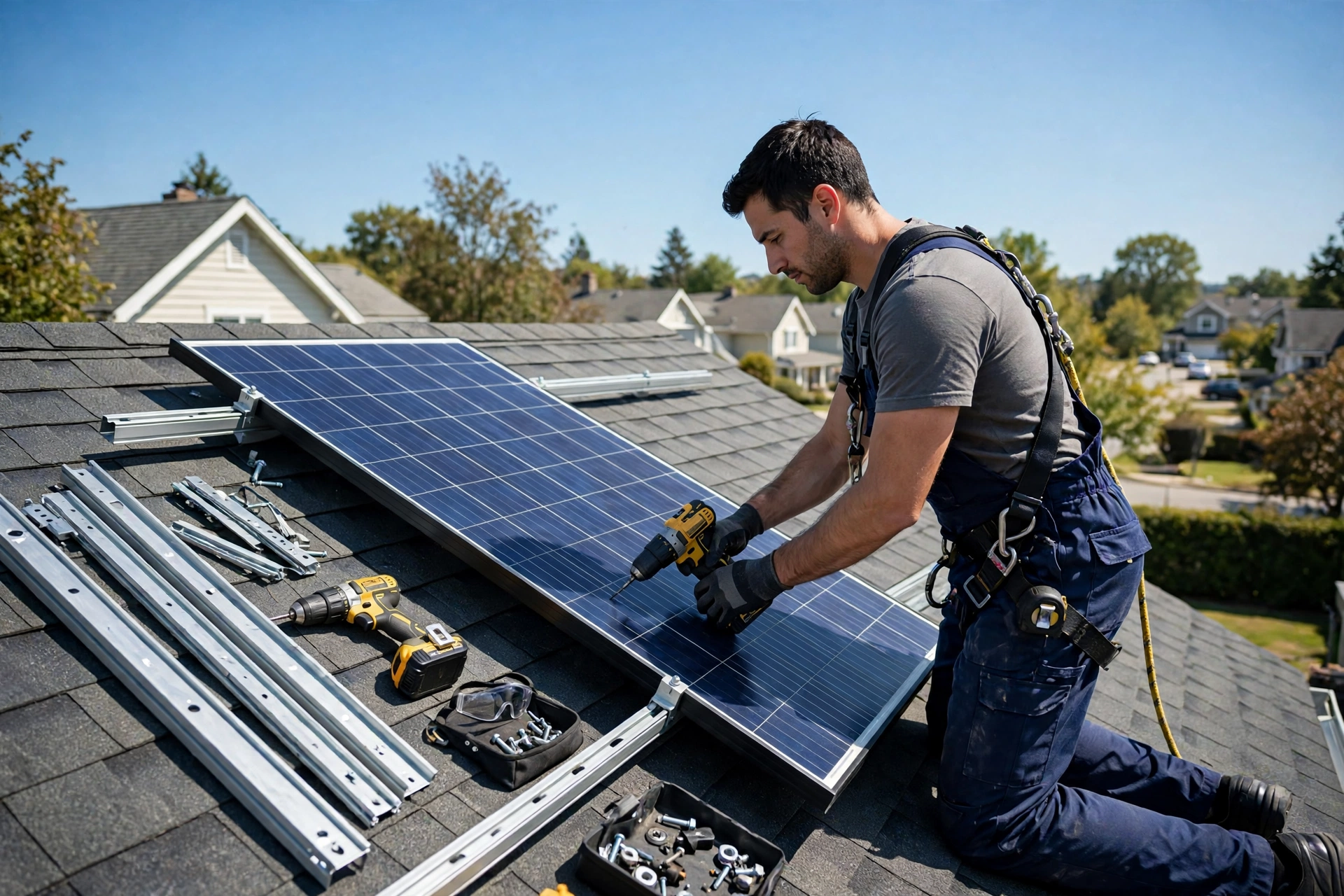
Sunshine is free, but turning it into electricity is a skilled trade — and homeowners are paying good money for it. A solar-panel-installation business sits at the sweet spot of a growing market: energy bills keep rising, panel prices keep falling, and governments keep offering incentives. If you can run a safe crew, price jobs honestly and keep customers happy, this is a trade that can grow from a van and a ladder into a company with real value. The difference between a business that survives and one that stalls is rarely the panels. It is the plan behind them. This guide walks you through a complete solar panel installation business plan, from picking your niche to winning your first paying jobs and scaling up without losing control of quality.
Step 1: Pick Your Niche Before You Buy Anything
Every solar-panel-installation business has to choose where it plays. Residential rooftops are the most common starting point: smaller jobs, faster sales cycles, and homeowners who decide quickly. Commercial work pays more per job but moves slowly, with longer sales cycles, tender documents and bigger crews. Off-grid and rural installs are a third niche, often involving batteries and backup systems for homes far from reliable grid power.
Start with one niche and own it. A residential-first company learns the rhythm of surveys, permits and one-day installs, and it builds a review base fast. A company that tries to serve homes, warehouses and farms at once usually ends up quoting badly in all three. Your niche decides your licences, your suppliers and your marketing, so settle it before you spend a pound on equipment.
Talk to local homeowners first. Ask what stopped them going solar: upfront cost, roof worries, or simply not knowing who to trust. Their answers become your sales pitch. If most homes in your area have shaded or small roofs, battery add-ons and efficient panels matter more than raw panel count. If new housing estates are going up nearby, builder partnerships could be your best lead source.
Step 2: Write Your Solar Panel Installation Business Plan
A written plan is what turns a good installer into a real company. Your solar panel installation business plan should fit on a few pages and answer five questions: who are your customers, what exactly do you sell, what does it cost you to deliver, how will you find work, and when do you break even?
Start with your offer. Will you sell full systems only, or also offer repairs, cleaning and battery retrofits? A narrow offer is easier to price and deliver well. Then map your costs: panels, inverters, racking, labour, vehicle, insurance, marketing and the time you spend on surveys and quotes that never convert. Most new installers underestimate the last one badly — allow at least a third of your working week for quoting, admin and follow-up.
Set honest targets for year one. A realistic first-year goal for a two-person crew is 40 to 60 residential installs, not 200. Put your break-even number in the plan: how many installs a month cover your fixed costs? When that number is on paper, every pricing decision gets easier, because you know the minimum a job must earn.
Revisit the plan every quarter. Panel prices shift, incentives change and your close rate improves as reviews accumulate. A plan that never gets updated is decoration. A plan you actually revise is a management tool.
Step 3: Get Licences, Certifications and Insurance in Order
Solar work is electrical work on somebody’s roof, so the paperwork matters. In most regions you will need a general business registration, a contractor or electrical licence, and permission to connect systems to the grid. Requirements vary by state and country, so check your local authority and your electricity network operator before you quote a single job.
Certification is what separates you from a general roofer with a drill. The best-known credential is NABCEP certification for solar PV installers, and many customers and suppliers treat it as a mark of quality. Manufacturer training matters too: panel and inverter makers run installer courses, and certified installers often get better warranty terms and priority support.
Insurance is non-negotiable. You need general liability cover, workers’ compensation for your crew, and cover for tools and stock in transit. Roof work is high-risk, and one accident without proper cover can end a young company. Get quotes from two or three specialist trade insurers and read the exclusions — cheap cover that excludes working at height is worse than useless.
Step 4: Understand Startup Costs and Funding
Solar installation is not a cheap trade to enter. A realistic startup budget for a small crew runs from $50,000 to $250,000 depending on scale. The big items are a reliable vehicle, tools, safety equipment, initial stock and working capital to cover the gap between buying panels and getting paid. Panel suppliers usually want payment before delivery, while homeowners often pay in stages, so cash flow planning matters as much as the headline budget.
Funding options include personal savings, a small business loan, equipment finance for the van and tools, and supplier credit terms once you have a trading history. Some regions offer green business grants or low-interest loans for renewable energy companies — check what is available locally before borrowing at commercial rates. Keep a cash reserve of at least three months of fixed costs. Slow winters and delayed permits are normal in this trade, and a reserve is what lets you survive them without cutting corners.
Step 5: Choose Equipment and Suppliers You Can Rely On
Your reputation rides on the hardware you install. Choose two or three panel brands you know well rather than chasing the cheapest module on every job. Reliable brands mean fewer callbacks, stronger warranties and faster support when something goes wrong. The same applies to inverters and racking: standardise on a small set of products your crew can install quickly and fault-find confidently.
Build a relationship with a wholesaler or distributor who delivers on time and holds stock. A supplier who misses a delivery date costs you a customer, a crew day and a review. Ask other installers who they use and why. Negotiate payment terms as your volume grows, and keep a small buffer stock of common items — rails, clamps, cabling and isolators — so a missing part never stops a job.
Batteries are becoming a standard add-on. Learn the leading home battery systems, their warranties and their compatibility with your chosen inverters. A battery retrofit is high-margin work, and customers who already trust you are the easiest people to sell it to.
Step 6: Price Every Job So It Actually Makes Money
Pricing is where many new solar firms quietly fail. The customer wants to know how much does solar panel installation cost, and your answer has to cover hardware, labour, permits, scaffolding, travel and your margin — while still looking fair next to the quote from the firm down the road. Build a standard pricing sheet: a per-kilowatt rate for panels and inverters, plus fixed allowances for scaffolding, electrical upgrades and travel. Then quote each job from the sheet, not from memory.
Check your numbers against the market every quarter. When a customer asks how much does solar panel installation cost for a larger commercial roof, the answer is different: commercial solar panel installation cost is usually lower per kilowatt than residential work because of scale, but it carries longer payment terms and more paperwork, so price the risk in. Never quote a commercial job at residential margins.
Battery work needs its own price list. Solar battery installation cost varies widely with battery size, brand and whether the home needs a new consumer unit, so survey before you quote and put the variables in writing. Customers accept a higher price far more easily than a surprise extra charge halfway through the job.

Keep your quotes clear and itemised: system size, panel and inverter models, expected annual generation, warranty lengths and payment stages. A customer who understands the quote trusts the installer. A customer who gets a single round number suspects a markup.
Step 7: Hire and Train Installers Who Stay
A solar company is only as good as its crew. Hire for attitude and safety sense first, and train the technical skills. Roof work rewards calm, careful people who follow a checklist. A rushed installer is a leak, a loose rail or a callback waiting to happen.
Pay attention to the solar panel installer salary in your area before you advertise. The solar panel installer salary varies by region and experience, but a fair wage plus proper training keeps good people from leaving for the next firm that offers a little more. Add the real costs on top: employer taxes, insurance, tools, vehicle use and the training days when an installer earns nothing. A cheap hire who needs constant supervision costs more than a good one who works alone.
Train continuously. Panel models change, inverter firmware updates, and battery systems evolve every year. Send your crew on manufacturer courses and keep a shared folder of install photos, checklists and lessons from every callback. The fastest way to improve quality is to review your own mistakes honestly as a team.
Step 8: Win Customers with Local Marketing That Works
Most residential solar customers choose a local installer they can trust. Your marketing should make you easy to find and easy to believe. A simple website with real photos of your installs, honest pricing guidance and genuine reviews will beat a flashy site with stock photos every time. Make sure your business appears when people search for solar panel installers near me, because that search is how most homeowners start. Keep your Google Business Profile complete with photos, service areas and replies to every review — good and bad.
Word of mouth is your best channel. Ask every happy customer for a review and a referral, and consider a small thank-you reward for introductions that become jobs. Local partnerships help too: roofers, electricians, builders and estate agents all meet homeowners at the exact moment they are thinking about their property. Offer them a simple referral arrangement and deliver a great experience for every customer they send.
Be clear about what you sell. Solar panel installation services cover the full job — survey, design, permits, install and grid connection — so say so plainly on your website and quotes. Customers compare firms on trust as much as price, and a company that explains its solar panel installation services in plain language wins the customers who are comparing three quotes and wondering who to believe.
Step 9: Earn Recurring Income from Maintenance and Cleaning
The install is only the start of the customer relationship. Panels lose output when they are dirty, shaded by new growth or damaged by weather, and homeowners will pay for someone they trust to look after the system. Offer an annual service visit: visual inspection, electrical checks, inverter firmware updates and a performance report. Solar panel maintenance cost is modest for the homeowner — typically a few hundred per visit — and the solar panel maintenance cost is easy to justify when you show the generation figures before and after the service.
Cleaning is a natural add-on, especially in dusty areas or under trees. Solar panel cleaning cost depends on roof access, panel count and how dirty the array is, so price it per visit after a quick look at the roof. A solar panel cleaning cost quote that is honest and specific beats a vague promise every time. Bundle cleaning with the annual service and you have recurring revenue that smooths out the quiet winter months.
Keep a simple service database: install date, panel and inverter models, last service date and any notes. When a warranty claim or a fault arises, that record saves hours. It also gives you a reason to contact past customers once a year — the cheapest marketing there is.
Step 10: Scale Up Without Losing Quality
Growth in this trade usually means bigger jobs, not just more of them. Once your residential process runs smoothly, commercial work becomes realistic: schools, warehouses and offices with large flat roofs. Commercial projects need bigger crews, longer lead times and stricter health and safety documentation, so build up to them rather than jumping in. Remember that commercial solar panel installation cost runs lower per kilowatt than residential work because of scale, but the payment terms are longer and the paperwork heavier, so price the risk in before you bid. Many growing firms work alongside established solar panel installation contractors on their first commercial jobs, learning the paperwork and the pace before bidding alone. Partnering with experienced solar panel installation contractors is a smart way to grow your capability without betting the company on one big tender.
Battery retrofits are the other growth path. Every system you installed in the last five years is a potential battery customer, and storage demand is rising fast. Train one installer as your battery specialist and let them own that product line. Solar battery installation cost should be quoted from a fresh survey every time, since older systems vary widely in inverter compatibility and wiring condition.
Protect quality as you grow. A second crew needs the same checklists, the same photo records and the same sign-off process as the first. One bad install damages the reviews that your whole pipeline depends on. Grow at the pace your training and supervision can support, not at the pace your ambition wants.
What You Can Earn
Earnings depend on your market, your close rate and your costs, but the shape is consistent. A two-person residential crew installing one system a day, five days a week, can complete roughly 200 to 250 systems a year at full capacity — most new firms reach half that in year one and build from there. Typical gross margins on a residential install run 20 to 30 percent after hardware and direct labour, before overheads.
Maintenance contracts, cleaning and battery retrofits lift margins further because they use the same crew and customer base. A company with 500 systems under annual service has a stable base income even in a slow sales month. Owner earnings in an established small solar firm commonly reach a solid professional salary in year two or three, with the real value building in the customer list, the review base and the service contracts. Treat the business as an asset from day one: clean books, documented processes and happy customers are what make it sellable later.
6 Mistakes That Sink New Solar Firms
1. Quoting without a proper roof survey. Guessing panel layout from satellite photos leads to wrong counts, missed shading and angry customers. Survey every roof before you quote.
2. Underpricing to win work. A job won at a loss still costs you labour, vehicle time and warranty exposure. Price from your sheet and walk away from work that does not pay.
3. Skipping the paperwork. Permits, grid applications and warranty registrations are part of the job. A system that is not properly registered can cost the customer their incentive payments — and cost you the review.
4. Buying the cheapest panels. Low-cost modules with weak warranties create callbacks that eat your margin for years. Standardise on brands you trust and can support.
5. Ignoring safety. Roof work without proper harnessing, scaffolding and method statements is a matter of time, not luck. One accident can end the company and harm a person you are responsible for.
6. Forgetting past customers. Firms that never contact a customer after the install leave referrals, reviews and service income on the table. A yearly check-in is the cheapest sale you will ever make.
Frequently Asked Questions
How much money do I need to start a solar installation company?
Most small crews need $50,000 to $250,000 to start properly, covering a vehicle, tools, safety gear, initial stock and three months of working capital. Starting as a subcontractor for an established installer can cut that figure sharply while you learn the trade.
Do I need an electrical licence to install solar panels?
In most places, yes — solar work is electrical work, and the connection to the grid must be done or supervised by a licensed electrician. Check your local rules before quoting, and consider NABCEP certification to build customer trust.
What should my business plan include?
Your solar panel installation business plan should cover your niche, your offer, your startup and running costs, your pricing, your marketing and your break-even number of installs per month. Keep it short, revisit it quarterly, and use it to make real decisions.
How long does a typical home install take?
Most residential systems take one to two days on the roof plus time for scaffolding, permits and grid connection. Larger or more complex roofs can take longer, especially if the electrical board needs upgrading.
Is battery storage worth offering?
Yes, for most firms. Batteries are a growing share of solar sales, carry healthy margins and give you a reason to return to past customers. Learn one or two battery systems well before you sell them widely.
How do I find my first customers?
Start with local visibility: a complete Google Business Profile, real install photos, honest reviews and partnerships with roofers, electricians and builders. Homeowners searching for solar panel installers near me should find a business with real photos and real reviews. Referrals from happy customers will become your best channel within a year.
What insurance does a solar installer need?
At minimum, general liability, workers’ compensation and cover for tools and stock. Roof work is high-risk, so confirm your policy explicitly covers working at height and solar installation.
Can I start part-time while keeping my current job?
Many installers begin part-time, subcontracting weekends for established firms while they build skills, certifications and a customer list. It is a lower-risk route, but be honest with customers about your availability and never take on work you cannot supervise properly.
Final Word
Solar installation rewards companies that combine craft with discipline. The sun does the generating; your job is to plan, price, install and support systems that work for decades. Start with one niche, write the plan, get certified and insured, price honestly and look after every customer after the install. Do that consistently, and the reviews, referrals and service income will compound into a business worth owning.

Solar Panel Installation Business Plan: A Launch Guide

Window Installation Cost Per Window: Launch Your Business

Siding Installation Companies: Launch Your Siding Business

Patio Installation Services: Start Your Own Patio Business

Deck Building Services: Run Your Own Deck Building Business

Tile Installation Services: Start Your Own Tiling Business

Smooth Walls, Steady Pay: How to Start a Drywall Business

Open for Business: How to Start a Garage Door Business

Subfloor to Booked Solid: How to Start a Flooring Business

Arc to Income: How to Start a Welding Business

How to Repurpose Blog Content for Social Media Without Starting From Scratch

How to Get More Clients for Your Business: Simple Ways That Actually Work

How to Create a Small Business Content Marketing Plan That Actually Gets Results

How to Write a Simple Business Plan for Your Small Business: A Practical Guide That Gets You Started

How to Write a Professional Business Email That Gets a Reply

Branding Tips for Small Businesses: A Simple Guide That Makes You Memorable
How to Handle Customer Complaints in a Small Business: A Calm, Practical Guide That Turns Problems Into Loyalty
How to Create a Content Calendar for a Small Business
How to Set Up a Simple Referral Program for Your Small Business: A Beginner’s Guide That Brings in New Customers

How to Set SMART Goals for a Small Business: A Practical Guide That Actually Works
Solar Panel Installation Business Plan: A Launch Guide
Window Installation Cost Per Window: Launch Your Business
Siding Installation Companies: Launch Your Siding Business
Patio Installation Services: Start Your Own Patio Business
Deck Building Services: Run Your Own Deck Building Business
Tile Installation Services: Start Your Own Tiling Business
Smooth Walls, Steady Pay: How to Start a Drywall Business
Open for Business: How to Start a Garage Door Business
Subfloor to Booked Solid: How to Start a Flooring Business
Arc to Income: How to Start a Welding Business

 entertainment1 year ago
PYT Telegram: A Complete Guide to Understanding, Using, and Maximizing It

 entertainment1 year ago
OnionFlix: Everything You Need to Know About This Streaming Website
- education1 year ago
How to Become a Software Engineer: A Complete Guide
- entertainment10 months ago
Brainrot Memes: The Unhinged Humor of the Internet Generation





