others
Ghost Pepper: Heat Level, Uses, Benefits, and Safety Guide

What Is a Ghost Pepper?
The ghost pepper is a type of chili pepper famous for its extreme heat. Its scientific name is Capsicum chinense, and it belongs to the same pepper family as habanero peppers. What makes the ghost pepper special is its high concentration of capsaicin, the compound responsible for the spicy sensation in chili peppers.
Capsaicin triggers pain receptors in the mouth, which is why eating extremely spicy peppers causes a burning feeling. The ghost pepper contains so much capsaicin that even a small amount can produce intense heat.
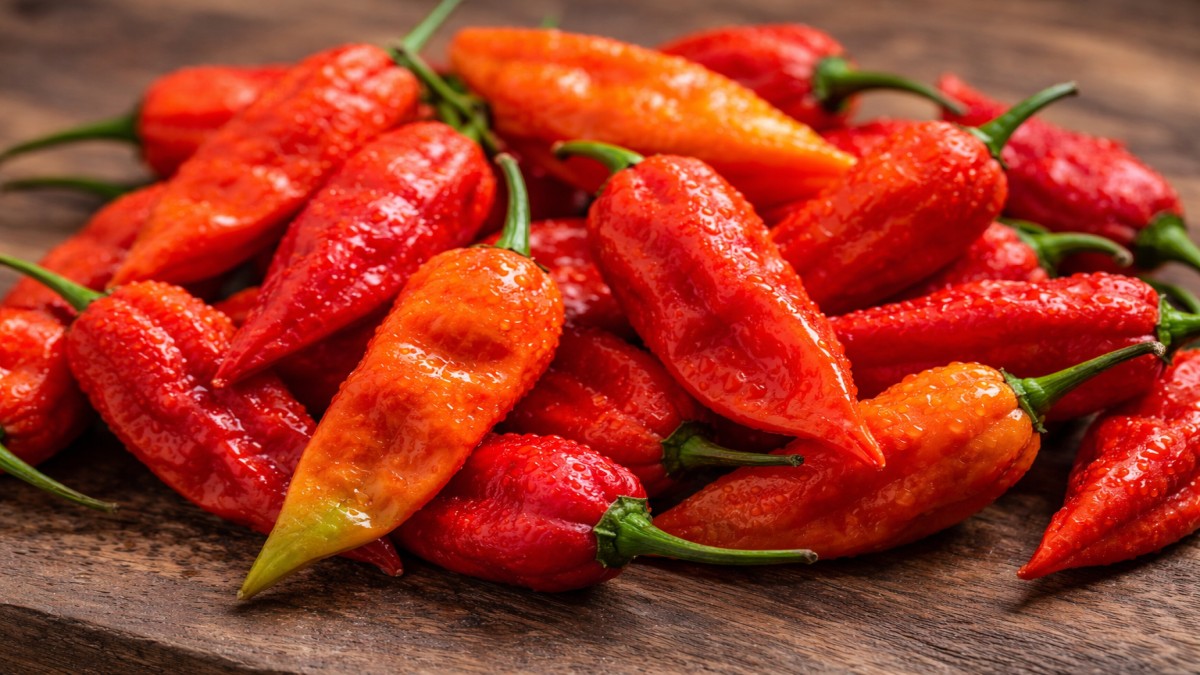
The pepper typically grows 2 to 3 inches long, with a wrinkled surface and a bright red or orange color when fully ripe. Some varieties may also appear yellow or chocolate brown. Despite the intense heat, ghost peppers have a slightly fruity and smoky flavor, which is why chefs use them carefully in sauces and spicy dishes.
Scientific Name and Classification
Ghost peppers belong to the Capsicum chinense species, which includes some of the hottest peppers in the world. This species is known for producing peppers with strong aromas and high heat levels.
Why It Is Called Ghost Pepper
The name “ghost pepper” comes from the Assamese word “Bhut,” which can mean ghost or spirit. Another explanation suggests that the pepper’s heat “creeps up on you like a ghost,” surprising people after they take a bite.
History and Origin of Ghost Pepper
Ghost peppers originated in the northeastern regions of India, particularly in the states of Assam, Nagaland, and Manipur. These regions have a long history of growing extremely hot chili peppers.
Cultivation in Northeast India
Local farmers have cultivated Bhut Jolokia for generations. In traditional cuisine, the pepper is used in curries, pickles, and chutneys. Some communities even use the pepper as a natural pest deterrent because animals tend to avoid its intense heat.
Global Recognition
In 2007, the ghost pepper earned international fame when it was recognized by Guinness World Records as the world’s hottest chili pepper. It held this title until new varieties like the Carolina Reaper were developed.
Even though it’s no longer the absolute hottest, the ghost pepper remains one of the most famous chili peppers in the world.
How Hot Is a Ghost Pepper?
The heat of chili peppers is measured using the Scoville Heat Unit (SHU) scale.
Ghost peppers typically measure over 1,000,000 Scoville Heat Units, which is extremely hot compared to common peppers.
Scoville Heat Comparison
| Pepper | Scoville Heat Units |
|---|---|
| Jalapeño | 2,500 – 8,000 |
| Habanero | 100,000 – 350,000 |
| Ghost Pepper | 800,000 – 1,041,427 |
This means a ghost pepper can be more than 100 times hotter than a jalapeño.
Comparison With Other Peppers
Although peppers like the Carolina Reaper and Trinidad Moruga Scorpion are now hotter, ghost peppers remain extremely intense and are often used in extreme spicy food challenges.
Culinary Uses of Ghost Pepper
Despite its intense heat, ghost pepper is widely used in cooking.
Hot Sauces
Many hot sauce brands use ghost peppers to create extremely spicy sauces. The pepper’s fruity flavor adds complexity to sauces when used in small amounts.
Spicy Dishes and Marinades
In Indian cuisine, ghost peppers are sometimes added to curries, chutneys, and pickles. Chefs around the world also use them in marinades, barbecue sauces, and spicy snacks.
Because of the heat, cooks usually use very small quantities.
Conclusion
Ghost peppers are famous for their intense heat and unique flavor. Originally grown in India, they quickly gained worldwide recognition after being named the hottest pepper in the world in 2007. Even though newer peppers have surpassed it in heat, the ghost pepper remains one of the most iconic chili peppers ever grown.
Used carefully, it can enhance dishes with both heat and flavor. For adventurous food lovers, the ghost pepper represents the ultimate spicy experience.
FAQs
1. How hot is a ghost pepper?
Ghost peppers measure over 1 million Scoville Heat Units, making them extremely hot.
2. Where do ghost peppers come from?
They originate from northeastern India, especially Assam and Nagaland.
3. Can ghost peppers be eaten safely?
Yes, but they should be eaten in very small amounts due to their intense heat.
4. What does a ghost pepper taste like?
Despite the heat, ghost peppers have a slightly fruity and smoky flavor.
5. Is ghost pepper the hottest chili in the world?
No. Peppers like the Carolina Reaper are currently hotter.

Consultative Selling Techniques: A Complete Guide to Building Customer Trust in 2026

Sales Objection Handling: A Complete Guide to Closing More Deals in 2026

Customer Closing Techniques: A Complete Guide to Converting Prospects into Buyers (2026)

Customer Conversion Process: A Complete Guide to Turning Visitors into Loyal Customers (2026)

Sales Funnel Examples: A Complete Guide to Converting More Customers (2026)

Lead Qualification Framework: A Complete Guide to Finding High-Quality Customers (2026)

Website Credibility Factors: A Complete Guide to Building Trust Online (2026)

Online Reputation Monitoring: A Complete Guide to Protecting Your Brand in 2026

Customer Testimonial Strategy: A Complete Guide to Building Trust and Increasing Sales (2026)

Business Storytelling Framework: A Complete Guide to Building Strong Brand Connections (2026)
Consultative Selling Techniques: A Complete Guide to Building Customer Trust in 2026
Sales Objection Handling: A Complete Guide to Closing More Deals in 2026
Customer Closing Techniques: A Complete Guide to Converting Prospects into Buyers (2026)
Customer Conversion Process: A Complete Guide to Turning Visitors into Loyal Customers (2026)
Sales Funnel Examples: A Complete Guide to Converting More Customers (2026)
Lead Qualification Framework: A Complete Guide to Finding High-Quality Customers (2026)
Website Credibility Factors: A Complete Guide to Building Trust Online (2026)
Online Reputation Monitoring: A Complete Guide to Protecting Your Brand in 2026
Customer Testimonial Strategy: A Complete Guide to Building Trust and Increasing Sales (2026)
Business Storytelling Framework: A Complete Guide to Building Strong Brand Connections (2026)

 entertainment1 year ago
PYT Telegram: A Complete Guide to Understanding, Using, and Maximizing It

 entertainment1 year ago
OnionFlix: Everything You Need to Know About This Streaming Website
- education1 year ago
How to Become a Software Engineer: A Complete Guide
- others12 months ago
Nook vs Kindle: Which E-Reader Is Right for You?