
business
How to Start a Podcast for Your Business: A Simple Guide That Gets You Heard

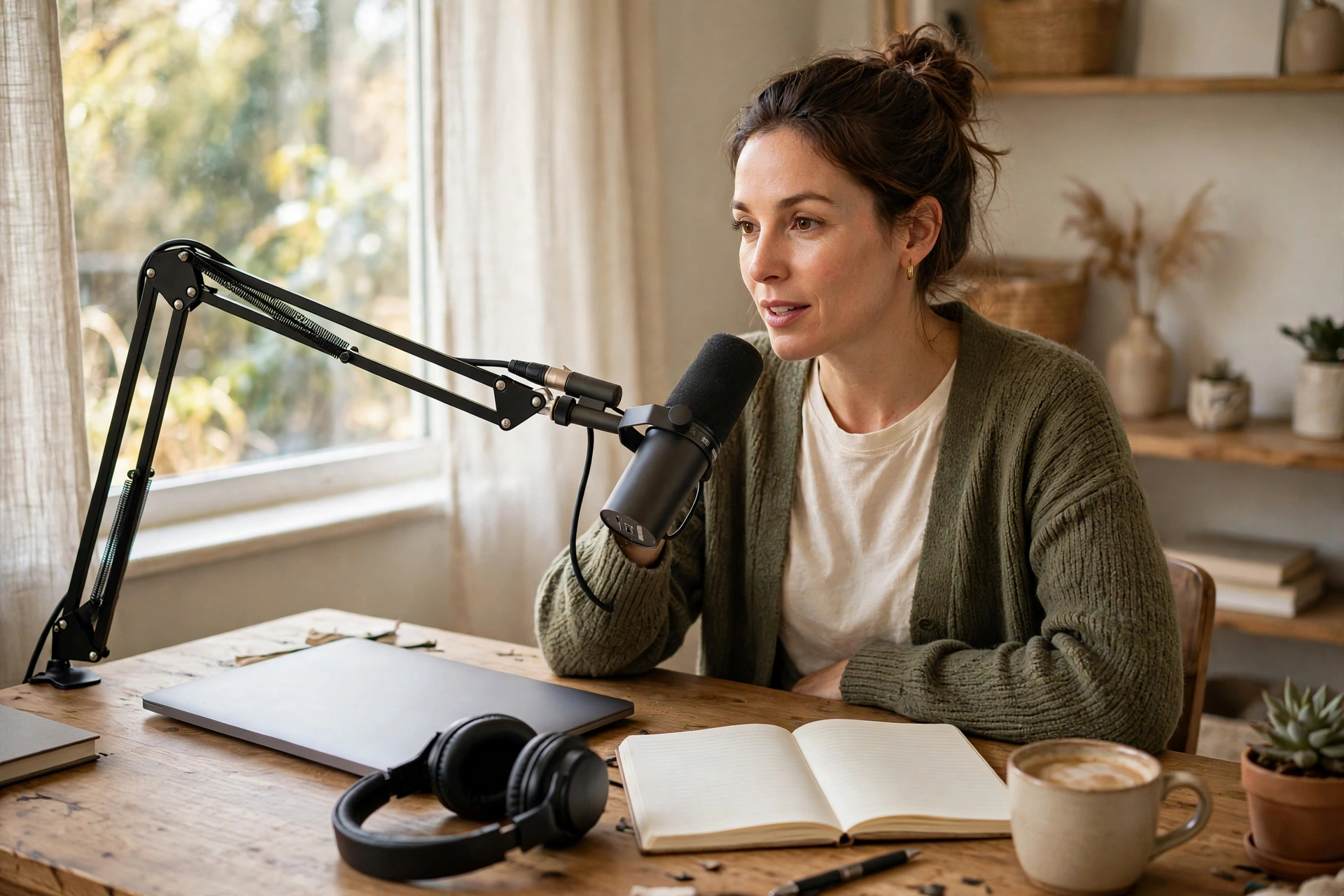
A podcast lets your customers hear your voice, learn how you think, and trust your business before they ever buy from you. It is one of the cheapest ways for a small business to reach new people, because listeners choose to spend twenty or thirty minutes with you — far longer than they spend on any advert or social media post.
Learning how to start a podcast for your business does not require a studio, expensive equipment, or broadcasting experience. This guide walks through the whole process in plain language, from planning your show to publishing your first episode.
Decide what your podcast is about
Every good business podcast has one clear idea. It is not “everything about my business” — it is one topic your customers care about, talked about in a helpful way. A bakery might podcast about baking at home. An accountant might answer common tax questions. A florist might talk about caring for plants.
Pick a topic you can talk about every week without running out of things to say. Then narrow it down to one listener: who exactly is this show for, and what problem does each episode solve for them? A show with a clear listener is much easier to plan, and much easier for people to recommend.
Choose a simple format and stick to it
You do not need a complicated format. Most small business podcasts use one of three simple shapes: you talking alone, you interviewing a guest, or you and a colleague chatting about a topic. Solo episodes are the easiest to record. Interviews bring fresh voices and new audiences. A two-person chat feels relaxed and natural.
Pick one format for your first ten episodes and keep it the same. Listeners like knowing what to expect, and a fixed format makes recording faster because you are not reinventing the show every week. Aim for episodes of twenty to thirty minutes — long enough to be useful, short enough to finish on a commute or a walk.
Plan your first ten episodes
Before you record anything, write a short list of your first ten episode ideas. Each one should answer a real question your customers ask, or explain something they struggle with. Look at the questions in your inbox, the comments on your social media, and the things people ask you in person — that is your episode list.
For each episode, write three or four bullet points, not a full script. Bullet points keep you natural and conversational, while a word-for-word script often sounds stiff. A short plan also stops you from rambling, which is the fastest way to lose a listener.
Get simple recording equipment
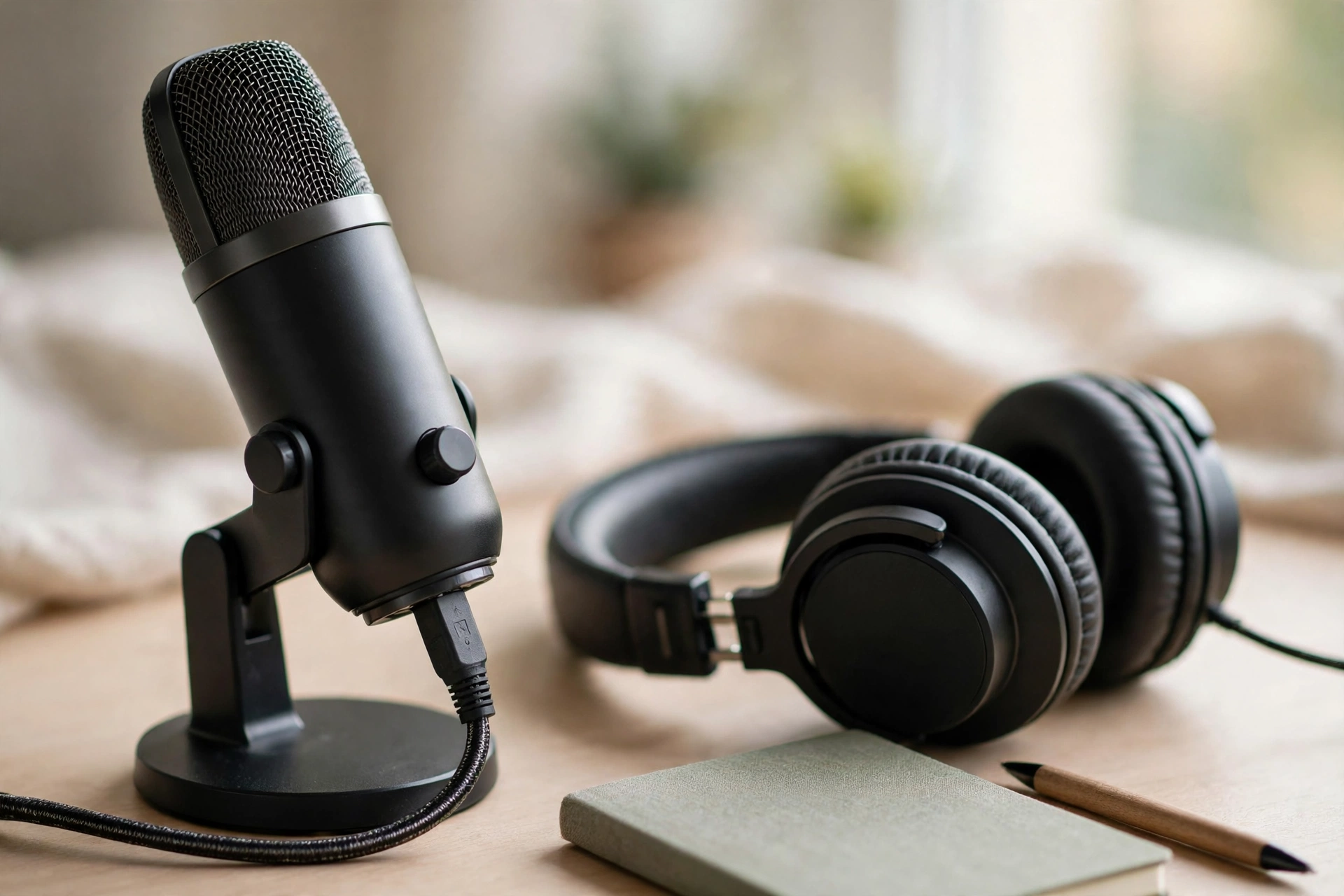
You do not need professional gear to sound good. A decent USB microphone, a quiet room, and free recording software are enough to start. If you search for the best podcast microphone for beginners, you will find plenty of good USB options at a fair price — any of them is enough to start, and it will sound far better than your phone or laptop microphone.
Record in the quietest room you have, away from humming fridges, traffic, and ticking clocks. Soft things absorb sound, so a room with curtains, cushions, and carpet sounds better than a bare room with hard walls. Close the windows, put your phone on silent, and record a short test first to check how you sound.
Record and edit without overthinking it
Press record, talk through your bullet points, and do not worry about small mistakes. A pause, an “um”, or a slight stumble sounds human, and listeners forgive it easily. If you lose your place, just pause, take a breath, and start the sentence again — you can cut the bad take out later.
Free editing tools let you remove long silences, mistakes, and background noise with a few clicks. Keep your editing light: cut the obvious errors, add a short intro and outro, and stop there. Many beginners spend hours polishing one episode when they should be planning the next one. Your tenth episode will sound much better than your first, and that is normal.
Publish your podcast where listeners are
Once your episode is edited, you need a podcast host — a service that stores your audio and sends it to Apple Podcasts, Spotify, and the other listening apps. Most hosts have a free or low-cost plan for beginners, and they give you simple steps to submit your show to the main directories.
You will need a show name, a short description, and cover art. Keep the name simple and clear, so a stranger understands what the show is about in three seconds. Write the description for your listener, not for yourself: say who the show helps and what they will learn, not just what your business sells.
Promote each episode like a product launch
Publishing is only half the job. Knowing how to promote your podcast matters as much as recording it. Every time an episode goes live, tell people about it: share it on your social media, mention it in your email newsletter, and put a link on your website. A short clip or a favourite quote from the episode often works better than a plain link, because it gives people a reason to press play.
Ask your first listeners to subscribe and leave a review, and mention your podcast when you talk to customers. Word of mouth is powerful for podcasts — one listener who tells a friend is worth more than a hundred people who scroll past a post.
Turn listeners into customers
A podcast builds trust, and trust brings business — but only if listeners know what to do next. End every episode with one simple next step: visit your website, download a free guide, book a call, or try a product. Keep it to one action, and say it clearly.
Over time, your back catalogue becomes an asset. A listener who finds episode three today may listen to all ten episodes this week, and by the end they know your business better than any advert could teach them. That is the real value of a business podcast: it turns strangers into people who already trust you.
Frequently asked questions
How much does it cost to start a business podcast?
You can start for very little. A USB microphone, free recording software, and a low-cost podcast host are enough. Many small businesses spend less in their first year than they would on one month of advertising.
Do I need a professional voice to podcast?
No. Listeners want a real person who knows their subject, not a radio voice. Speak the way you speak to a customer, and your voice will sound right.
How long should a business podcast episode be?
Twenty to thirty minutes works well for most small businesses. It is long enough to cover one topic properly and short enough for a commute, a walk, or a lunch break.
How often should I publish new episodes?
Once a week is a good rhythm for most small businesses. Consistency matters more than frequency — one episode every week for a year beats ten episodes in one month and then silence.
Start with one episode
You do not need a perfect setup to start a podcast for your business — you need a clear topic, a quiet room, and the willingness to record your first episode. Plan ten episodes, record the first one this week, and publish it. Your voice is the most personal marketing your business has, and a podcast lets more people hear it.

Small Business Cash Flow Problems and How to Fix Them: A Simple Guide

How to Start a Podcast for Your Business: A Simple Guide That Gets You Heard

How to Start Freelancing With No Experience: A Simple Guide That Gets You Your First Client

How to Create a Budget for a Small Business: A Simple Guide That Keeps Your Money in Order

Small Business Tax Deductions Checklist PDF: A Simple Printable Guide That Helps You Keep More of What You Earn

How to Run a Successful Small Business: A Simple Guide That Works

How to Get More Customers for My Small Business: A Simple Guide That Works

Small Business Growth Strategies: A Simple Guide That Actually Works

Pricing Strategies for Small Business: A Simple Guide That Protects Your Profit

How to Make a Website for Small Business: A Simple Guide That Gets You Online

How to Repurpose Blog Content for Social Media Without Starting From Scratch

How to Write a Professional Business Email That Gets a Reply

How to Set SMART Goals for a Small Business: A Practical Guide That Actually Works

How to Create a Content Calendar for a Small Business
How to Handle Customer Complaints in a Small Business: A Calm, Practical Guide That Turns Problems Into Loyalty
How to Create a Small Business Content Marketing Plan That Actually Gets Results
How to Track Small Business Expenses: A Simple System That Keeps Your Money in Order
How to Set Up a Simple Referral Program for Your Small Business: A Beginner’s Guide That Brings in New Customers

How to Price Your Services as a Small Business: A Simple Guide That Protects Your Profit

How to Write a Simple Business Plan for Your Small Business: A Practical Guide That Gets You Started
Small Business Cash Flow Problems and How to Fix Them: A Simple Guide
How to Start a Podcast for Your Business: A Simple Guide That Gets You Heard
How to Start Freelancing With No Experience: A Simple Guide That Gets You Your First Client
How to Create a Budget for a Small Business: A Simple Guide That Keeps Your Money in Order
Small Business Tax Deductions Checklist PDF: A Simple Printable Guide That Helps You Keep More of What You Earn
How to Run a Successful Small Business: A Simple Guide That Works
How to Get More Customers for My Small Business: A Simple Guide That Works
Small Business Growth Strategies: A Simple Guide That Actually Works
Pricing Strategies for Small Business: A Simple Guide That Protects Your Profit
How to Make a Website for Small Business: A Simple Guide That Gets You Online

 entertainment1 year ago
PYT Telegram: A Complete Guide to Understanding, Using, and Maximizing It

 entertainment1 year ago
OnionFlix: Everything You Need to Know About This Streaming Website
- education1 year ago
How to Become a Software Engineer: A Complete Guide
- others1 year ago
Nook vs Kindle: Which E-Reader Is Right for You?





