
business
Window Installation Cost Per Window: Launch Your Business

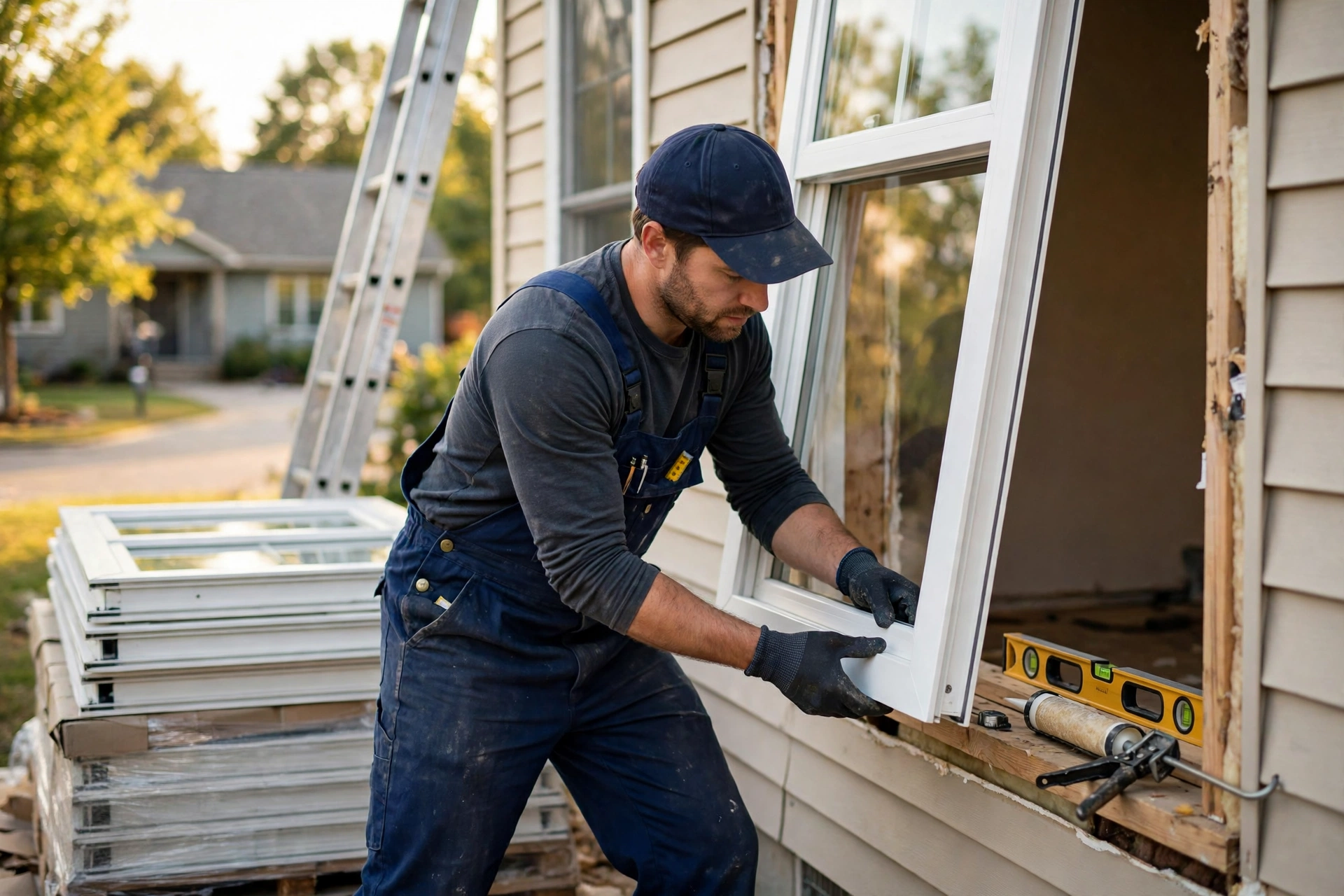
Every home has windows, and every window eventually needs replacing. That simple fact is why a window-installation business is one of the most reliable trades to start: demand never disappears, jobs are easy to price, and a two-person crew can earn serious money from the first month. This guide walks you through launching your own window-installation business step by step, from learning the trade to winning your first paying customers.
The most important number in this business is the window installation cost per window. Get your per-window pricing right and every job makes money; get it wrong and you will work hard for nothing. Homeowners compare quotes constantly, so you also need to understand the wider window replacement cost picture before you quote a single job. Established window installation companies win work because they price clearly, install cleanly and follow up properly — and you can do the same from day one.
Why Window Installation Is a Strong Business to Start
Window replacement is a need, not a luxury. Old windows leak air, fog up, stick shut and push energy bills higher every winter. Homeowners replace them to cut draughts, reduce noise, improve security and raise the value of their home before a sale. That means your market is every house on every street, not a narrow niche.
Startup costs are modest compared with most construction trades. You do not need a workshop, a showroom or a large team. A reliable van, professional tools, insurance and a supplier account are enough to take your first jobs. Many installers start part-time, fitting windows at weekends while keeping a day job, then go full-time once the order book fills.
The work is also repeatable. A satisfied customer who replaces four windows this year often calls you back for the remaining six next year, then recommends you to neighbours. Add door fitting, conservatory glazing and small commercial jobs, and you have a business that grows by word of mouth.
Step 1: Learn the Trade Before You Sell It
Never sell an installation you cannot fit properly. Spend time learning how windows are measured, removed, fitted, levelled, sealed and trimmed. If you have no trade background, work for an established installer for three to six months. You will learn measuring, safe glass handling, foam and sealant application, trim work and how to deal with rotten frames and out-of-square openings.
Manufacturer training is worth taking too. Most big window brands run free or low-cost courses for installers, and completing them gives you a certificate you can show customers. It also helps you open trade accounts, because suppliers prefer installers who know their products.
Learn to measure twice and order once. A window ordered 10 millimetres too small leaves gaps that leak air; one ordered too large does not fit at all. Measuring is the skill that separates profitable installers from those who lose money on remakes.
Step 2: Pick a Profitable Niche
Trying to serve everyone at the start spreads you thin. Pick one niche, master it, then expand. The most profitable starting niches are replacement windows for family homes, new-build window fitting for small developers, and energy-saving upgrades for older properties.
Replacement work is the steadiest niche. Homeowners replacing old timber or single-glazed windows want a tidy, fast job with minimal mess, and they pay well for it. Learn the replacement windows cost for the common sizes in your area so you can quote confidently on the phone before you visit.
Double glazing is the standard product, but keep an eye on specialist demand. The double pane window replacement cost for a typical three-bedroom house is high enough that customers research carefully and compare several quotes, which rewards installers who explain their pricing clearly.
Energy efficiency is a growing niche. Homeowners ask about low-E glass, argon-filled units and warm-edge spacers, and they want to know the energy efficient windows cost before they commit. If you can explain U-values in plain language and show the savings on a heating bill, you will win jobs over installers who only talk about price.
Step 3: Name and Register Your Business
Choose a short, clear business name that says what you do: your town or county plus “Windows” or “Window Installation” works well and helps local search. Check that the name is free with your company registrar and that the matching domain and social media handles are available.
Register as a sole trader or a limited company. A limited company protects your personal assets if something goes wrong on a job, and it looks more professional to larger customers such as developers and letting agents. Speak to an accountant for an hour before you decide; it is money well spent.
Open a separate business bank account on day one. Mixing personal and business money is the fastest way to lose track of whether you are actually making a profit. Set aside a fixed percentage of every payment for tax so you are never caught short.
Step 4: Licences, Permits and Certifications
Rules vary by area, so check with your local authority before your first job. Most window installers need a general business registration, and some areas require a contractor licence or a home-improvement registration. Working without the right paperwork can mean fines and lost jobs, so do this before you advertise.
Certification matters more than paperwork. A recognised installer scheme or manufacturer accreditation tells customers you have been checked and meet a standard. Many window installation contractors carry these credentials on their vans, quotes and websites, and homeowners actively look for them when choosing between two similar quotes.
Building regulations may apply when you change window sizes, fit windows in new openings, or work on listed buildings. Know the rules for your area and tell customers upfront when a permit is needed; it builds trust and avoids a job being stopped halfway through.
Step 5: Insurance That Protects You and the Homeowner
Insurance is not optional in this trade. You are handling heavy glass units in people’s homes, and one dropped unit can damage a floor, a worktop or a person. At minimum, carry public liability insurance of at least one million in your local currency, and check whether your area expects more for commercial work.
Add tools and vehicle cover so a stolen van does not stop your business for a month. If you hire help, even for a single day, you need employer’s liability cover too. Keep your certificates on your phone so you can show them at a quote visit; customers notice.
Read the small print on glass breakage. Some policies exclude the glass you are installing, so confirm that accidental damage to the unit itself is covered. A single broken triple-glazed unit can cost more than a month of premiums.
Step 6: Tools, Vehicle and Supplier Accounts
You need the right kit before your first job. A reliable van with roof bars or a trailer, a quality spirit level, tape measure, caulking gun, utility knife, pry bar, shims, foam sealant, safety glasses, gloves and a cordless drill will handle most domestic jobs. Buy professional tools once rather than cheap tools twice; they pay for themselves in speed and accuracy.
Your supplier relationship is as important as your tools. Open trade accounts with two or three window manufacturers or distributors so you are never stuck if one is out of stock. Ask about trade discounts, delivery times and who pays when a unit arrives damaged. Good suppliers also send you leads, so treat them as partners.
Know your material costs cold. The vinyl window replacement cost for a standard white uPVC unit is your bread-and-butter figure: if you know it by heart, you can give a realistic ballpark price during the first phone call, which is often what wins the home visit. Keep a simple price sheet for common sizes and update it when suppliers change their prices.
Choose materials your customers ask for by name. Vinyl is the volume seller, but keep samples of wood-effect finishes and aluminium frames in the van so customers can see and touch the upgrade options. Samples close sales faster than any brochure.

Step 7: Price Every Job With Confidence
Pricing is where new installers lose the most money, so build your price from costs upward, never by guessing what a competitor charges. The window installation cost per window should cover the window unit, trims, sealant and fixings, your labour, travel, waste removal and a profit margin of at least twenty percent. If the number feels high, check your costs again before you cut your margin.
Learn the full pricing picture for your area. The window replacement cost for a whole house varies widely with frame material, glass type and access, so quote each job after a site visit and a proper measure, not from a photo. Customers respect a quote that explains what is included; they distrust a round number with no breakdown.
When a customer asks how much does window replacement cost for their home, give a range first and a firm written quote second. The range keeps the conversation going, and the written quote — itemised per window, with glass, frame, labour and disposal listed separately — is what gets signed. Using the window installation cost per window as the backbone of your quote makes every job comparable, and it makes it easy to spot which jobs are worth taking.
Compare materials honestly. The vinyl window replacement cost is lower than timber or aluminium, and saying so plainly helps customers choose with confidence. For customers comparing products, explain the double pane window replacement cost difference between standard double glazing and upgraded low-E units, and show the energy saving that justifies the extra spend. When you explain the replacement windows cost in plain terms — unit, labour, disposal, guarantee — customers stop haggling and start asking when you can start.
Charge for what others give away. Old window removal and disposal, making good plasterwork, and a return visit to adjust a stiff handle all cost you time. List them on the quote or include them in the per-window price, but never absorb them silently.
Step 8: Win Your First Customers
Your first ten customers matter more than your first hundred pounds of profit, because their reviews and referrals are your marketing. Start with people you know: friends, family, neighbours and local trade contacts. Offer a fair price, do an immaculate job, take before-and-after photos, and ask for a review the same day.
Get listed where homeowners search. A Google Business Profile with photos of your work, a simple website with your service area, and listings on local trade directories will bring enquiries within weeks. Many new window installation companies get their first jobs from a single directory listing, so keep your profile updated with fresh photos and every new review.
Partner with related trades. Plasterers, builders, kitchen fitters and estate agents all meet homeowners who need windows, and a small referral fee or reciprocal arrangement sends you steady work. Visit three local builders in your first month and leave a card and a price list.
Reviews are your cheapest advertising. After every completed job, send the customer a short message with a direct link to your review page and ask them to mention the specific work you did. Five detailed reviews beat fifty generic ones, because future customers read them and picture their own home in the story. Photograph every job with the customer’s permission and post the best before-and-after shots on your profile the same week; fresh photos tell search engines and customers alike that you are active and in demand.
Step 9: Quotes, Contracts and Deposits
Always quote in writing, with the window sizes, frame colour, glass specification, hardware, installation date and guarantee clearly stated. A written quote protects both sides and makes you look professional next to installers who quote a number on a scrap of paper.
Take a deposit of thirty to fifty percent when the customer signs, and order the windows only after the deposit clears. This covers your material costs and stops you carrying the risk if a customer cancels. Take the balance on completion, after a walk-round with the customer to check every window opens, locks and seals properly.
Use a simple contract that states the payment schedule, the start date, who removes the old windows, and what happens if the customer changes the specification after ordering. Keep a signed copy for every job, and photograph each finished window before you leave the site.
Step 10: Hire, Systemise and Grow
Once you are booked two to three weeks ahead, it is time to grow. Hire a trainee or an experienced second installer so you can run two jobs at once, and write down your process: how you measure, how you fit, how you seal, how you finish. A written process means a new hire installs to your standard from their first week.
Add services that your existing customers already ask for: doors, conservatory glazing, window repairs and draught-proofing. Each one uses the same van, tools and customer list, so the extra profit costs you almost nothing in marketing.
Track your numbers every month: jobs completed, average price per window, material costs, enquiries, conversion rate and review score. The installers who grow fastest are the ones who know exactly which jobs make money and which ones to turn down.
Plan for the seasons. Demand peaks in spring and autumn, when homeowners prepare for summer heat or winter cold, and it dips in the depths of winter and the height of summer holidays. Use quiet weeks for training, van maintenance, updating your price list and visiting suppliers, and use busy weeks to build a waiting list rather than turning good customers away. A short waiting list is a sign of a healthy business, and customers who wait a week for a trusted fitter rarely switch to an unknown one.
What You Can Earn in Your First Three Years
Earnings depend on your area, your speed and how many jobs you win, but the shape of the business is consistent. In year one, a solo installer fitting four to six windows a week typically turns over enough to pay a modest wage after costs, with profit growing as reviews and referrals build.
By year two, with a helper and a full order book, turnover often doubles, because you complete more jobs and waste less time on quoting. By year three, a two-crew business with a local reputation can clear a comfortable full-time income, and owners who add doors and commercial work earn more still.
If you are wondering how much do window installers make as employees, the answer gives you a useful floor: employed fitters earn a steady wage, but a business owner who prices properly and keeps the diary full earns considerably more, because they keep the margin on every job instead of only the wage. That margin is the reason to start the business rather than stay employed.
6 Mistakes New Window Installers Make
1. Underpricing to win work. A cheap quote wins the job and loses the profit. Price from your costs, not from fear.
2. Measuring once. One wrong measurement means a remade window, a delayed job and an unhappy customer. Measure twice, order once.
3. Skipping the written quote. Verbal prices lead to arguments about what was included. Put everything in writing.
4. Taking no deposit. Ordering windows without a deposit means you carry all the risk. Always take one.
5. Leaving a mess. Customers forgive a lot, but not dust and debris in their living room. Clean as you go and vacuum before you leave.
6. Ignoring aftercare. A quick call a week after fitting, asking if every window opens smoothly, turns one job into a review, a referral and often a second order.
Frequently Asked Questions
How much does window replacement cost for a whole house?
It varies with the number of windows, frame material, glass type and access, but as a guide a typical three-bedroom house with eight to ten windows costs several thousand in most areas. Get three itemised quotes and compare what each one includes, not just the bottom line.
How do I price the window installation cost per window?
Start with the unit price from your supplier, then add trims, sealant and fixings, your labour time, travel, waste removal and a profit margin of at least twenty percent. Quote the same way every time so jobs stay comparable.
Do I need a licence to install windows?
It depends on your area. Most places require business registration, and some require a contractor licence or home-improvement registration. Check with your local authority before your first job, and consider a recognised installer accreditation to build trust.
What is the most profitable window-installation niche?
Replacement windows for family homes are the steadiest niche for beginners, followed by energy-saving upgrades. Commercial and new-build work pays well but usually needs more experience and bigger insurance cover.
How much do window installers make when they run their own business?
A solo owner-installer with a full diary typically earns well above an employed fitter’s wage, because they keep the profit margin on every job. Income grows sharply in years two and three as reviews, referrals and a second crew raise the number of jobs completed each week.
Are energy efficient windows worth selling?
Yes. Customers increasingly ask about the energy efficient windows cost because they want lower heating bills and a warmer home. If you can explain U-values and show the saving, energy-efficient upgrades are an easy upsell on most replacement jobs.
Should I specialise in vinyl windows?
Vinyl is the highest-volume product and the easiest to learn, so it is a smart starting point. Keep samples of timber-effect and aluminium options so you can serve customers who want a premium finish.
How do window installation contractors win commercial work?
They build relationships with builders, developers and letting agents, carry higher liability cover, and quote quickly with itemised prices. Start with small developers and grow into larger contracts as your team and reputation grow.
Final Word
A window-installation business rewards installers who measure carefully, price honestly and leave every home cleaner than they found it. Learn the trade, pick a niche, register properly, insure yourself, know your per-window costs, and win your first customers through great work and honest reviews. Do that consistently for a year, and the diary fills itself.

Solar Panel Installation Business Plan: A Launch Guide

Window Installation Cost Per Window: Launch Your Business

Siding Installation Companies: Launch Your Siding Business

Patio Installation Services: Start Your Own Patio Business

Deck Building Services: Run Your Own Deck Building Business

Tile Installation Services: Start Your Own Tiling Business

Smooth Walls, Steady Pay: How to Start a Drywall Business

Open for Business: How to Start a Garage Door Business

Subfloor to Booked Solid: How to Start a Flooring Business

Arc to Income: How to Start a Welding Business

How to Repurpose Blog Content for Social Media Without Starting From Scratch

How to Get More Clients for Your Business: Simple Ways That Actually Work

How to Create a Small Business Content Marketing Plan That Actually Gets Results

How to Write a Simple Business Plan for Your Small Business: A Practical Guide That Gets You Started

How to Write a Professional Business Email That Gets a Reply

Branding Tips for Small Businesses: A Simple Guide That Makes You Memorable
How to Handle Customer Complaints in a Small Business: A Calm, Practical Guide That Turns Problems Into Loyalty
How to Create a Content Calendar for a Small Business
How to Set Up a Simple Referral Program for Your Small Business: A Beginner’s Guide That Brings in New Customers

How to Set SMART Goals for a Small Business: A Practical Guide That Actually Works
Solar Panel Installation Business Plan: A Launch Guide
Window Installation Cost Per Window: Launch Your Business
Siding Installation Companies: Launch Your Siding Business
Patio Installation Services: Start Your Own Patio Business
Deck Building Services: Run Your Own Deck Building Business
Tile Installation Services: Start Your Own Tiling Business
Smooth Walls, Steady Pay: How to Start a Drywall Business
Open for Business: How to Start a Garage Door Business
Subfloor to Booked Solid: How to Start a Flooring Business
Arc to Income: How to Start a Welding Business

 entertainment1 year ago
PYT Telegram: A Complete Guide to Understanding, Using, and Maximizing It

 entertainment1 year ago
OnionFlix: Everything You Need to Know About This Streaming Website
- education1 year ago
How to Become a Software Engineer: A Complete Guide
- entertainment10 months ago
Brainrot Memes: The Unhinged Humor of the Internet Generation





