business
Design to Dollars: How to Start a Home Staging Business

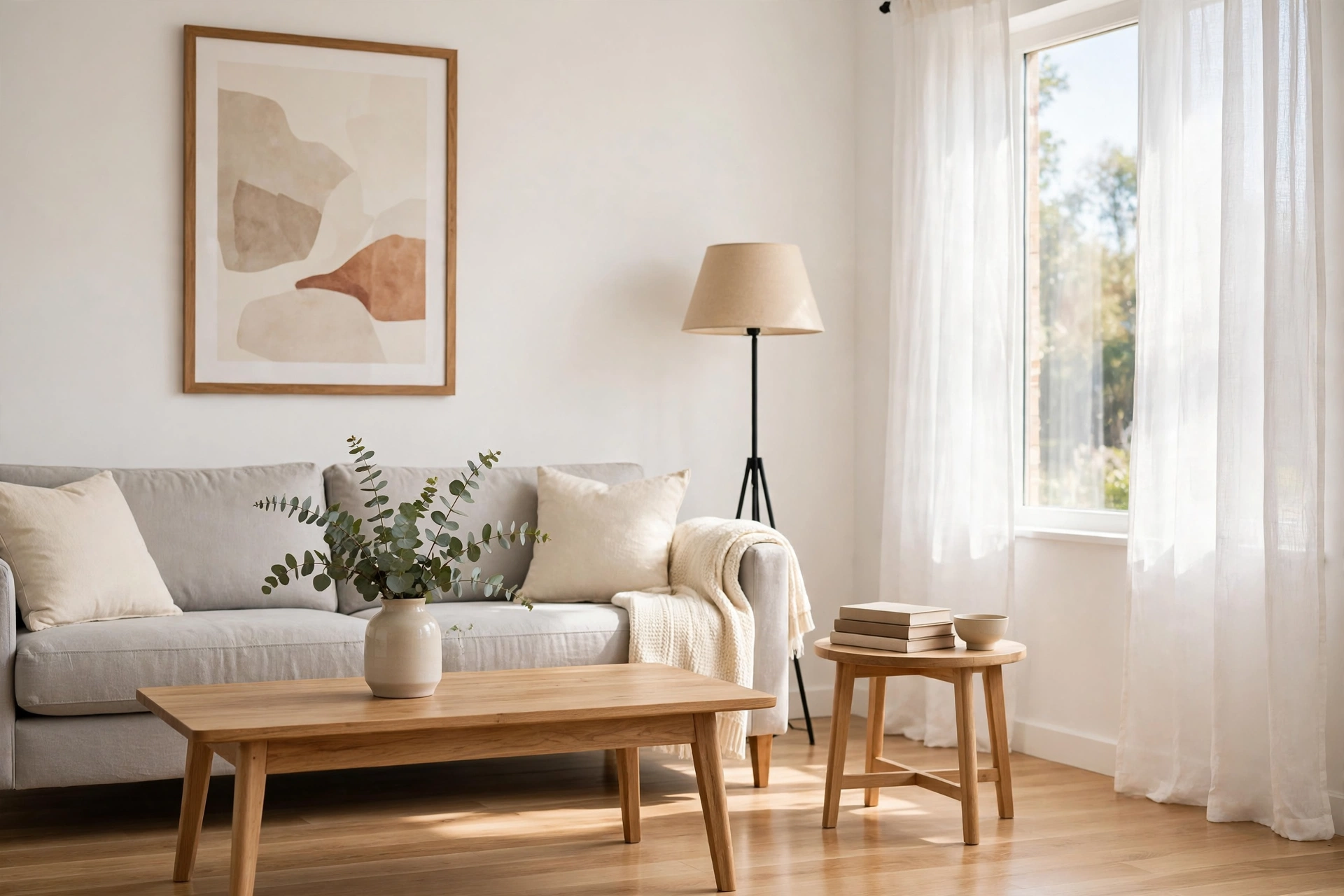
Some people walk into an empty house and see bare walls. Others see a living room waiting to happen — a sofa here, a lamp there, a dining table that makes buyers picture Sunday lunch. If you are the second kind of person, you may already have the most important skill for this business. Learning how to start a home staging business is mostly about turning that eye for design into a service that real estate agents and sellers will pay for, again and again.
Home staging means preparing a house for sale so it photographs well, shows well and sells faster. A stager declutters, rearranges what the owner already has, brings in rented or owned furniture and accessories, and creates rooms that help buyers imagine living there. It is creative work, but it is also a real business: you need clients, pricing, insurance, inventory and a way to get paid on time. This guide walks through the whole journey in ten practical steps, from your first skills check to your first paying client and beyond.
Step 1: Decide If Staging Suits You — and Learn the Craft
Before you spend a dollar, be honest about what the work actually involves. Staging is not only choosing cushions. You will lift sofas, carry boxes of accessories, drive a van full of lamps and rugs, measure rooms, negotiate with agents and work to tight deadlines before photo day. It is physical, and some days are long. If that sounds tiring rather than exciting, this may not be the right business for you.
On the other hand, if you love interiors, enjoy meeting people and can stay calm when a delivery is late and the photographer arrives in an hour, you will probably enjoy it. Many successful stagers start as a side project: they stage a friend’s flat, help a relative sell, or restyle their own home and photograph the result. Those first small projects are the best test of all, because they show you whether you enjoy the work and whether others value it.
The most common question beginners ask is how to become a home stager without a design degree. The honest answer is that no degree is required. What matters is a trained eye, and that can be built. Study staged homes online, read books on interior styling, watch how estate agents photograph rooms, and practise on real rooms. Short courses and certification programmes exist, and they help, but your portfolio will convince clients far more than any certificate. Start by staging one room well, photograph it properly, and you have the beginning of a business.
Step 2: Research Your Local Property Market
Staging only works where homes are bought and sold in reasonable numbers, so your second step is market research. Look at how many homes are listed for sale in your area, how long they sit on the market, and what price range moves fastest. In a busy market, agents stage to win listings. In a slow market, sellers stage to stand out. Both are good news for you, but the way you sell your service will differ.
Search for home staging near me and study what comes up. Note how many stagers already serve your town, what services they list, and what their websites look like. Then look at home staging companies in the nearest big city and compare. Big-city firms often publish price ranges and service lists, which gives you a useful benchmark. Your goal is not to copy them — it is to find the gap. Perhaps nobody in your area stages smaller flats, or nobody offers a budget-friendly service that uses the seller’s own furniture. That gap is your opening.
Talk to estate agents too. Ask them which homes struggle to sell and what buyers complain about. Agents will tell you plainly: dark rooms, cluttered kitchens, empty bedrooms that look smaller than they are. Every complaint is a service you can sell. Keep notes, because this research feeds directly into your pricing and your marketing later.
Step 3: Write Your Home Staging Business Plan
A home staging business plan does not need to be a fifty-page document. It needs to answer a few clear questions: who will you serve, what will you charge, what will it cost you, and how will you find clients? Write it down in plain language, even if it is only a few pages. The act of writing forces you to face the numbers before the numbers surprise you.
Start with your services. Most stagers offer a mix: a paid advice visit where you walk through a home and leave a written action list; a partial stage using the owner’s furniture plus a few of your accessories; and a full stage where you bring in furniture for the main rooms. Decide which of these you will offer in year one, and price each one separately. A home staging business plan that lists three clear services is far easier to sell than one vague promise to “make homes beautiful”.
Next, work out your startup costs. Your biggest choices are inventory and transport. Some stagers buy a starter set of furniture and store it in a garage; others rent furniture per project and charge the client. Both models work, and your plan should say which one you are choosing and why. Add insurance, a website, business cards, a van or trailer hire, and a small marketing budget. Then set a monthly income target and work backwards: how many stages per month, at what average fee, will reach it? If the maths does not work, adjust the plan now, not after you have spent the money.
Step 4: Get Certified and Build Your Skills
Certification is not legally required to stage homes, but it can shorten the learning curve and give new clients confidence. A home staging certification programme typically covers design principles, colour, space planning, the psychology of buyers, pricing, and the business side of staging. Some programmes are short online courses; others run over several weeks with practical assignments. Choose one with real project work and honest reviews from past students, not just a pretty certificate.
Do not stop at one course. The best stagers keep learning: they visit show homes, follow interior trends, and study which styles sell in their area. A modern farmhouse look may sell in one town and fall flat in another. Your job is to know your local buyers, not to follow every trend on social media. Pair your study with practice. Offer to stage a room for a friend or a local charity shop display, photograph it well, and add it to your portfolio. Real rooms teach faster than any textbook.
If you already have a design background, certification may be less important than a strong portfolio. If you are starting from scratch, a home staging certification gives you structure, a network of fellow students, and a credential to put on your website. Either way, treat learning as part of the job, not a one-time event before launch.
Step 5: Register the Business, Get Insured and Set Up the Basics
Now make it official. Choose a business structure — most new stagers start as a sole trader or form a small limited company — and register it. Pick a business name that is easy to remember, easy to spell, and free to use as a website address. Check that no other local stager uses the same name, and register the matching domain before someone else does.
Insurance is not optional in this line of work. You will be moving other people’s furniture inside other people’s homes, so public liability cover protects you if something is damaged or someone is hurt. If you store inventory, cover that too. If you hire help for big installs, check employers’ liability rules. Get quotes from two or three insurers and read what is actually covered; the cheapest policy is rarely the best one.
Set up the practical basics at the same time: a separate business bank account, a simple invoicing system, and a way to take card payments. Agree your payment terms before your first job — many stagers ask for a deposit upfront and the balance on install day. Put your terms in writing, in a short contract or a clear email, so there is no argument later. Also think about transport now: a reliable van, a trailer, or a hire arrangement for install days. Nothing kills a staging day faster than furniture that cannot reach the house.
Step 6: Build Your Inventory Smartly
Your inventory is your toolkit, and beginners usually make one of two mistakes: buying too much, or buying the wrong things. Start small and versatile. A neutral sofa, a dining table with chairs, two bedside tables, lamps, mirrors, rugs, bedding, cushions, throws, wall art and a few plants will stage most rooms. Choose pieces that suit many styles and many homes rather than bold statement items that only fit one kind of property.
Buy second-hand where it makes sense. Good quality used furniture, reupholstered or cleaned, can look brand new in photographs and costs a fraction of retail. Mix in a few new pieces for impact, and keep everything clean, repaired and photographed in a simple inventory list. You need to know what you own, where it is, and which project it is on. A spreadsheet is enough at first.
Renting furniture per project is a smart alternative if you have little storage or little cash. You charge the client the hire cost plus your fee, and you avoid a garage full of sofas. The downside is thinner margins and less control over availability. Many stagers start by renting, then buy the pieces they use most often. Whichever route you choose, keep your inventory neutral and timeless: buyers should picture their own life in the room, not admire your taste.

Step 7: Price Your Services So the Business Pays
Pricing is where many new stagers struggle, because there is no single rate card. Your home staging pricing should reflect three things: your costs, your local market, and the value you create. Start by listing your costs per project — furniture hire or wear and tear, transport, your time on site, and the hours spent planning and shopping. Then add your profit. If the number looks too low to live on, your costs are too high or your fee is too low, and you need to fix one of them before you take bookings.
Sellers always ask how much does home staging cost, and agents ask the same question on their behalf. Give a clear answer. A simple advice visit might cost a few hundred pounds or dollars. A partial stage for two or three rooms costs more, and a full stage of a whole house costs the most. Publish starting prices on your website if you can; it saves time and filters out clients who cannot afford you. When someone asks how much does home staging cost for their specific home, quote after a short visit or a video call, never blind. Every home is different, and a blind quote is how you end up working for free.
Remember that the home staging cost for the seller is small next to the price of the house, and that is your best sales argument. A stage that costs a fraction of one percent of the asking price can help a home sell faster and sometimes for more. Do not apologise for your fee. Instead, explain what is included: the advice visit, the furniture, the install, the photography-day tidy, and the removal after the sale. Clear home staging pricing builds trust, and trust wins repeat work from agents.
Step 8: Build a Portfolio and a Website That Sell for You
Your portfolio is your shop window. Before you chase clients, stage three or four rooms — your own home, a friend’s flat, a small rental — and photograph them properly. Use daylight, tidy every surface, and take wide shots that show the whole room. Before-and-after photos are especially powerful: an empty, echoing bedroom next to the same room dressed with a bed, lamps and art tells the whole story in seconds.
Put those photos on a simple website with your services, your starting prices, and a contact form. You do not need a fancy site; you need a fast, clean one that looks good on a phone, because agents will check you on their phones between viewings. Add short testimonials as soon as you have them, even if the first one is from a friend whose home you staged for free. One honest quote from a real person beats a page of claims about yourself.
Keep adding to the portfolio after every job. Photograph each stage on install day, when everything is fresh and the light is good. Over a year, those photos become proof that you deliver consistently, and they are the reason agents start recommending you without being asked.
Step 9: Win Your First Clients — Agents Are Your Lifeline
Most staging work comes through estate agents, so your marketing should start with them. Visit local agencies in person with a small printed portfolio and a friendly introduction. Agents are busy, so keep it short: who you are, what you do, your starting prices, and one striking before-and-after photo. Leave your card and follow up politely a week later. One agent who trusts you can send you more work than any advert.
Search again for home staging near me and check where those stagers appear: Google, social media, local directories. Make sure your business appears there too, with the same name, phone number and website everywhere. Ask happy clients to leave a review, and reply to every review you receive. Local search rewards businesses that look active and trusted.
Direct work from sellers matters too. Many homeowners find stagers online, so post your best photos on social media regularly and write short captions about what you changed in each room and why. Join local property and community groups, and answer questions helpfully rather than selling in every post. People hire the stager they already feel they know, so be visible, be useful, and be consistent. Your first five clients will be the hardest to win; after that, referrals start to do the work for you. If client work is slow at first, part-time home staging jobs with a local firm can keep income coming while your own client list grows — and every project teaches you something new about how to start a home staging business of your own.
Step 10: Deliver Brilliantly, Then Grow Step by Step
On install day, arrive early, work fast, and leave the home spotless. Walk through every room with fresh eyes before you call the agent: straighten cushions, hide cables, check the light, and open the curtains. Small details are what buyers notice, even if they cannot say why a room feels right. Take your own photos for your portfolio, then hand over quietly and let the agent do their job.
After the sale, collect your inventory promptly and ask for feedback. What did the agent like? What would they change? What did buyers comment on? Honest feedback is free consulting, so write it down and use it. Then ask for a testimonial and a referral. A short email — “Thank you, would you mind leaving a review, and is there anyone else I can help?” — is all it takes.
Growth should be gradual. Add inventory only when you keep hiring the same pieces. Hire help only when install days regularly run late. And keep learning: the second time you wonder how to become a home stager with a better service, you already are one — you are simply becoming a better one. Raise your prices a little each year as your portfolio and reputation grow, and protect your calendar: a stager who is always available is usually a stager who is undercharging.
What Stagers Earn — and Where the Work Comes From
Earnings vary widely, so treat any single figure with care. A part-time stager doing a few advice visits a month earns a modest side income. A full-time stager with strong agent relationships, a good inventory and a busy local market can earn a solid full-time living, with the best months clustered around the spring and autumn selling seasons. Your income depends on your prices, how many projects you complete, and how much of each fee survives your costs.
There are also different ways to earn in this field. Some stagers work for themselves; others take home staging jobs with established firms to learn the trade before going solo. Working for one of the larger home staging companies for a year teaches you systems, pricing and client handling without the risk of running your own business. Either path is valid, and many stagers mix the two: employed work at first, then their own clients as the portfolio grows.
The honest way to think about earnings is per project, not per year. Know your fee, know your costs, and know how many projects a month you need. Then build the agent relationships that deliver those projects. That is the whole business, and it is also why learning how to start a home staging business is less about design talent than about steady, professional habits.
6 Mistakes New Stagers Should Avoid
1. Spending too much on inventory before the first client. Buy the versatile basics, rent the rest, and let paying work fund the next purchase.
2. Pricing by guessing. If you do not know your costs per project, you cannot know whether a fee is fair. Do the maths for every service you sell.
3. Staging to your own taste, not the buyer’s. Bold personal style can shrink your market. Neutral, warm and bright sells more homes than dramatic and unusual.
4. Ignoring the paperwork. No contract, no deposit, no insurance — any one of these can turn a small problem into an expensive one. Get the basics in place before the first install.
5. Forgetting the photographs. Buyers meet the home online first. If your stage is not photographed well, most of its value is lost. Always allow time for good photos.
6. Depending on one agent. One good agent is wonderful, but one agent who goes quiet can empty your calendar. Keep meeting new agents and keep your direct client channel open.
Frequently Asked Questions
How much does it cost to start a home staging business?
Startup costs vary a lot. A lean start — a few rented pieces, basic insurance, a website and a van hire per project — can begin for a few thousand pounds or dollars. A fuller start with your own inventory and storage can cost far more. The smart move is to start lean, take paying work, and grow your inventory from profit, not from debt. Keeping the home staging cost down in the early months is what lets a new stager survive until referrals arrive.
Do I need a licence to start a home staging business?
There is no single staging licence in most places, but you will still need the usual business basics: registering your business, any local trading permits, and insurance. Rules differ by area, so check your local council or state requirements before your first paid job.
How long does a typical staging project take?
An advice visit takes one to two hours. A partial stage usually takes half a day, and a full stage of a whole house takes a full day, sometimes two for a large property. Add planning, shopping and collection time on top of the install day itself.
How do stagers charge — flat fee or per room?
Both models exist. Many stagers charge a flat fee per project based on the size of the home, plus furniture hire if they rent pieces. Others charge per room. Whichever you choose, put it in writing before the work starts so the client knows exactly what is included.
Can I start a home staging business with no experience?
Yes, if you learn the craft first. Stage your own home, help friends, take a short course, and build a small portfolio before charging full rates. Your first clients are buying your eye and your reliability, so prove both with real photos of real rooms.
What is the difference between staging and interior design?
Interior design serves the person who lives in the home; staging serves the buyer who might. Design is personal and long-lasting, while staging is neutral, temporary and aimed at selling the property quickly. The skills overlap, but the goal is different.
How do I find my first staging clients?
Start with estate agents: visit them, show a small portfolio, and follow up. Add a simple website, local listings and social media posts of your best work. Offer your first two or three stages at a friendly rate in exchange for photos and testimonials, then raise your prices as proof builds.
Is home staging a profitable business?
It can be, when pricing covers costs and agent relationships keep projects coming. Profit comes from repeat work, efficient inventory and honest pricing — not from one expensive project. Stagers who treat it as a business, with a plan, contracts and follow-up, do far better than those who treat it as a hobby.
Final Word
Starting a staging business is one of the most satisfying ways to turn a love of interiors into an income. The work is creative, the results are visible in days, and every sold home is a story you can tell the next client. Learn the craft, research your market, write a simple plan, get your legal basics right, build inventory slowly, price honestly, and put your energy into agent relationships. If you are still deciding whether this is for you, remember the test from the first step of this guide: stage one room, photograph it well, and show it to someone who sells homes. Their reaction will tell you everything. That is how to start a home staging business — one room, one client, one sold home at a time.

Design to Dollars: How to Start a Home Staging Business

Launch Guide: How to Start an Appliance Repair Business

Solar Panel Installation Business Plan: A Launch Guide

Window Installation Cost Per Window: Launch Your Business

Siding Installation Companies: Launch Your Siding Business

Patio Installation Services: Start Your Own Patio Business

Deck Building Services: Run Your Own Deck Building Business

Tile Installation Services: Start Your Own Tiling Business

Smooth Walls, Steady Pay: How to Start a Drywall Business

Open for Business: How to Start a Garage Door Business

How to Repurpose Blog Content for Social Media Without Starting From Scratch

How to Get More Clients for Your Business: Simple Ways That Actually Work

How to Create a Small Business Content Marketing Plan That Actually Gets Results

How to Write a Simple Business Plan for Your Small Business: A Practical Guide That Gets You Started

How to Write a Professional Business Email That Gets a Reply

Branding Tips for Small Businesses: A Simple Guide That Makes You Memorable
How to Create a Content Calendar for a Small Business
How to Handle Customer Complaints in a Small Business: A Calm, Practical Guide That Turns Problems Into Loyalty
How to Set Up a Simple Referral Program for Your Small Business: A Beginner’s Guide That Brings in New Customers

How to Set SMART Goals for a Small Business: A Practical Guide That Actually Works
Design to Dollars: How to Start a Home Staging Business
Launch Guide: How to Start an Appliance Repair Business
Solar Panel Installation Business Plan: A Launch Guide
Window Installation Cost Per Window: Launch Your Business
Siding Installation Companies: Launch Your Siding Business
Patio Installation Services: Start Your Own Patio Business
Deck Building Services: Run Your Own Deck Building Business
Tile Installation Services: Start Your Own Tiling Business
Smooth Walls, Steady Pay: How to Start a Drywall Business
Open for Business: How to Start a Garage Door Business

 entertainment1 year ago
PYT Telegram: A Complete Guide to Understanding, Using, and Maximizing It

 entertainment1 year ago
OnionFlix: Everything You Need to Know About This Streaming Website
- education1 year ago
How to Become a Software Engineer: A Complete Guide
- entertainment10 months ago
Brainrot Memes: The Unhinged Humor of the Internet Generation