food
Ananas Trees – Everything You Need to Know About Pineapple Plants

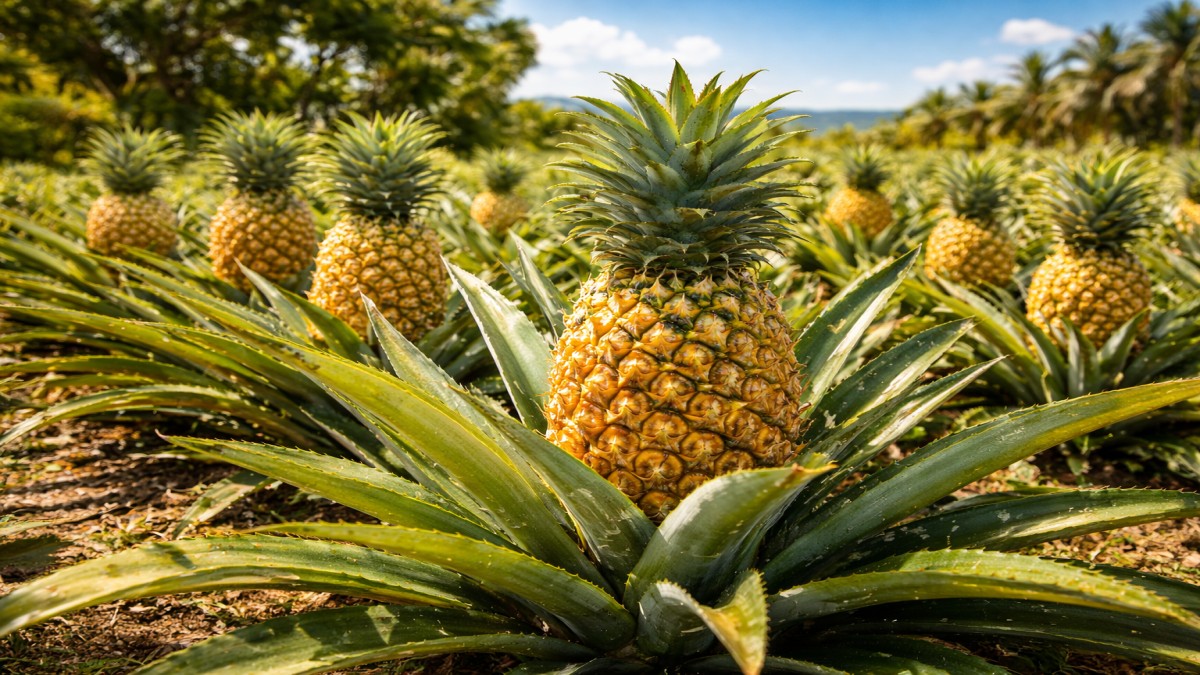
Introduction to Ananas Trees
When people hear the term ananas trees, many imagine tall fruit trees swaying in the wind. Surprisingly, ananas plants are not trees at all. They are low-growing tropical plants that give us one of the world’s most loved fruits: the pineapple. Simple in appearance yet fascinating in biology, ananas plants are a perfect example of nature’s clever design.
What Does “Ananas” Mean?
The word ananas comes from indigenous South American languages and simply means “excellent fruit.” Many countries still use the word ananas instead of pineapple.
Botanical Name and Classification
- Scientific name: Ananas comosus
- Family: Bromeliaceae
- Type: Perennial tropical plant
Are Ananas Really Trees?
Despite the common phrase “ananas trees,” these plants do not grow like traditional trees.
Understanding the Pineapple Plant Structure
Ananas plants grow close to the ground with a short stem and long, spiky leaves arranged in a rosette. The fruit grows from the center, making the plant look like a crown holding a golden jewel.
Origin and History of Ananas Plants
Ananas plants originated in South America, especially in regions of Brazil and Paraguay.
Native Regions
Indigenous tribes cultivated pineapple long before European explorers arrived.
Spread Across the World
Christopher Columbus encountered pineapple in the Caribbean, and from there it spread to Africa, Asia, and the Pacific, becoming a global crop.
Physical Characteristics of Ananas Plants
Leaves
The leaves are long, stiff, and sword-shaped with sharp edges. They help collect water and protect the plant from grazing animals.
Fruit Formation
The pineapple fruit forms when multiple flowers fuse together, creating a single juicy fruit packed with flavor.
How Ananas Trees Grow
Growth Cycle
Ananas plants grow slowly. After planting, they take about 18 to 24 months to produce fruit.
Time to Harvest
Once harvested, the same plant may produce a second fruit called a ratoon, though it is usually smaller.
Climate and Soil Requirements
Ananas plants love:
- Warm temperatures (20–30°C)
- Well-drained sandy or loamy soil
- Moderate rainfall
They do not tolerate frost, making tropical and subtropical regions ideal.
Cultivation and Farming Practices
Commercial vs Home Growing
Commercial farms use crowns, slips, or suckers for planting. At home, you can grow an ananas plant by planting the leafy crown of a pineapple in soil. It’s slow but incredibly rewarding.
Nutritional Value of Ananas Fruit
Pineapple is not just tasty—it’s nutritious:
- Rich in vitamin C
- Contains bromelain, an enzyme that aids digestion
- Good source of fiber and antioxidants
Uses of Ananas in Daily Life
Culinary Uses
Ananas is enjoyed fresh, grilled, juiced, or used in desserts, salads, and savory dishes.
Industrial and Medicinal Uses
Bromelain is used in medicine, cosmetics, and even meat tenderizers.
Economic Importance of Ananas Crops
Countries like Costa Rica, the Philippines, and Thailand rely heavily on pineapple exports. Millions of farmers earn livelihoods from ananas cultivation.
Common Pests and Diseases
Ananas plants may face:
- Mealybugs
- Root rot
- Fungal infections
Proper drainage and pest control help keep plants healthy.
Environmental Benefits
Ananas plants help prevent soil erosion and require less water than many fruit crops, making them relatively eco-friendly.
Fun Facts About Ananas Plants
- Each pineapple takes nearly two years to grow
- Pineapples do not ripen after harvesting
- One plant produces only one main fruit
Conclusion
Ananas trees may not be true trees, but they are extraordinary plants. From their tropical origins to their global economic value, pineapple plants play a vital role in agriculture, nutrition, and culture. Whether grown on a farm or in a backyard pot, ananas plants remind us that great things often grow close to the ground.
FAQs About Ananas Trees
1. Are ananas trees real trees?
No, they are low-growing tropical plants, not trees.
2. How long does an ananas plant take to bear fruit?
Usually 18–24 months.
3. Can I grow an ananas plant at home?
Yes, using a pineapple crown planted in soil.
4. Why is pineapple called ananas in many countries?
The name comes from indigenous South American languages.
5. Does one ananas plant produce more than one fruit?
Usually one main fruit, sometimes followed by a smaller ratoon fruit.

Freelance Jobs for Beginners USA (Start with No Experience)

Side Hustle Ideas from Home USA (No Experience Needed) – Beginner’s Guide

Online Jobs from Home USA (Daily Pay) – Start Earning Instantly

Beton Celular Autoclavizat: The Future of Lightweight, Eco-Friendly Construction

Goblets: A Timeless Symbol of Elegance and Celebration

AI Tools for Making Money Online Free (Best 2026 Guide)

Passive Income Apps USA Free: Earn Money Effortlessly in 2026

How to Earn Money from Home Without Investment

ChatGPT Alternatives Free No Login (2026 Guide)

Everything You Need to Know About Koeas

Ishraq Time in Delhi: What It Is, When It Happens, and Why It Matters
Beton Celular Autoclavizat: The Future of Lightweight, Eco-Friendly Construction

Read OPM Manga Online: Where and How to Enjoy One Punch Man Legally

Technisches Gymnasium: Your Gateway to Engineering and Technology

Why Every Small Business Needs a Digital Marketing Agency
Goblets: A Timeless Symbol of Elegance and Celebration

Gold Shower: Nature’s Cascading Yellow Wonder

The Indian Bow: A Legacy of Precision, Power, and Tradition

Robert Provost: A Life of Leadership, Community, and Vision

Are Political Donations Tax Deductible?
Freelance Jobs for Beginners USA (Start with No Experience)
Side Hustle Ideas from Home USA (No Experience Needed) – Beginner’s Guide
Online Jobs from Home USA (Daily Pay) – Start Earning Instantly
Beton Celular Autoclavizat: The Future of Lightweight, Eco-Friendly Construction
Goblets: A Timeless Symbol of Elegance and Celebration
AI Tools for Making Money Online Free (Best 2026 Guide)
Passive Income Apps USA Free: Earn Money Effortlessly in 2026
How to Earn Money from Home Without Investment
ChatGPT Alternatives Free No Login (2026 Guide)
Everything You Need to Know About Koeas

 entertainment7 months ago
PYT Telegram: A Complete Guide to Understanding, Using, and Maximizing It

 entertainment7 months ago
OnionFlix: Everything You Need to Know About This Streaming Website
- others6 months ago
Nook vs Kindle: Which E-Reader Is Right for You?
- gaming7 months ago
Melisandre: The Enigmatic Priestess of Game of Thrones