animal
Animals Arthropods: The Most Diverse Group in the Animal Kingdom

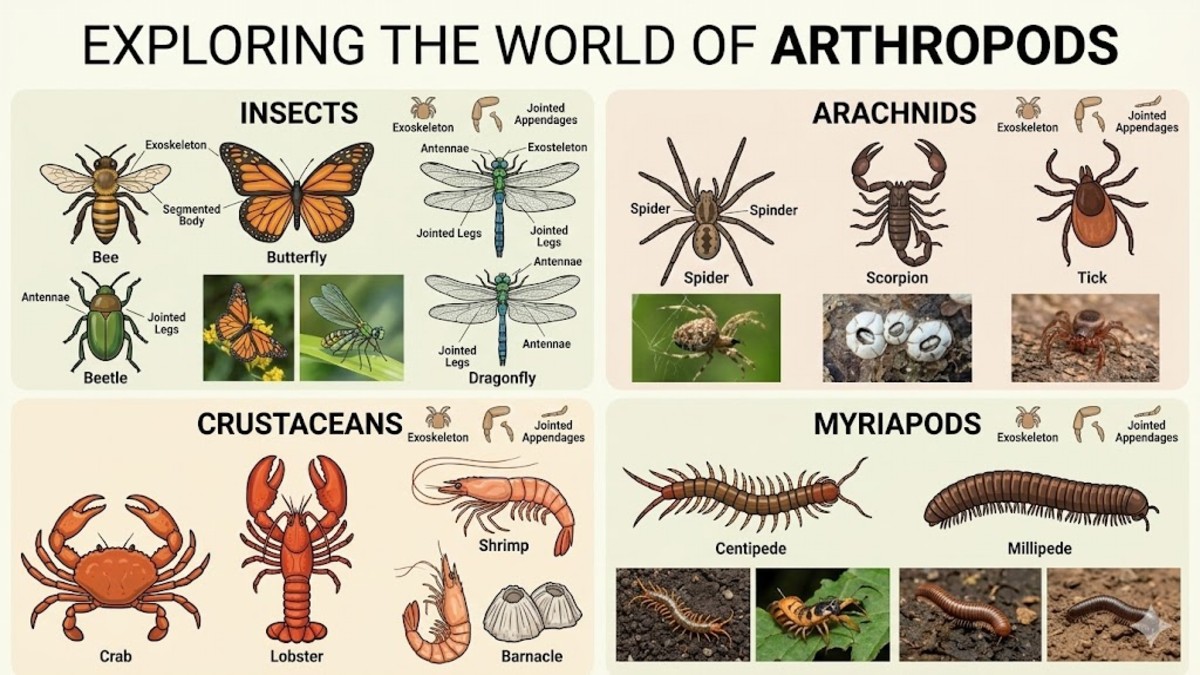
What Are Arthropods?
Animals Arthropods are one of the most fascinating and successful groups of animals on Earth. In fact, scientists estimate that more than 80% of all known animal species belong to the arthropod group. These animals are incredibly diverse and can be found almost everywhere from the deepest oceans to the highest mountains and even inside human homes.
The term arthropod comes from Greek words meaning “jointed foot.” This name describes one of the defining features of these animals: their jointed limbs. Arthropods belong to the biological classification known as the Arthropoda, which includes many familiar creatures such as insects, spiders, crabs, and centipedes.
One reason Animals Arthropods are so successful is their adaptability. They can live in extremely different environments and have developed specialized bodies that help them survive. Some arthropods fly, others crawl, swim, burrow, or jump. Their ability to adapt quickly has helped them thrive for hundreds of millions of years, making them one of the oldest and most widespread animal groups on the planet.
Key Characteristics of Animals Arthropods
Although arthropods include thousands of different species, they share several important characteristics that define them as a group. These features give them advantages for protection, movement, and survival.
Exoskeleton Structure
One of the most important features of arthropods is their exoskeleton, a hard outer covering that protects their bodies. Unlike humans and other vertebrates that have internal skeletons, arthropods have a skeleton on the outside.
This exoskeleton is made primarily of chitin, a tough but flexible material. It acts like a suit of armor, protecting the animal from predators and environmental damage. However, because the exoskeleton does not grow with the animal, arthropods must occasionally shed it through a process called molting. During molting, the animal forms a new, larger exoskeleton to allow further growth.
Jointed Limbs
Another defining feature of arthropods is their jointed appendages. These limbs are flexible and allow for a wide range of movement. Some arthropods use their limbs for walking, others for swimming, climbing, grabbing food, or even sensing their environment.
This jointed design provides incredible mobility and efficiency. It’s similar to how human knees and elbows allow us to bend and move smoothly.
Segmented Body
Arthropods also have segmented bodies, meaning their bodies are divided into multiple sections. These segments often specialize in different tasks, such as movement, digestion, or reproduction.
In many species, these segments are grouped into three main parts: the head, thorax, and abdomen. This organization allows arthropods to perform complex actions despite their relatively small size.
Major Groups of Arthropods
Arthropods are divided into several major groups, each with unique features and lifestyles.
Insects
Insects are the largest group of arthropods and also the most diverse group of animals on Earth. Examples include butterflies, beetles, ants, and bees.
Most insects have six legs, two antennae, and three body segments. Many species also have wings, allowing them to fly. Insects play crucial roles in ecosystems, particularly in pollination and food chains.
Arachnids
Arachnids include spiders, scorpions, mites, and ticks. Unlike insects, arachnids usually have eight legs and no antennae.
Spiders are particularly well known for their silk webs, which they use to catch prey. Arachnids are important predators that help control insect populations.
Crustaceans
Crustaceans are mostly aquatic arthropods, including crabs, lobsters, shrimp, and barnacles. These animals typically have hard shells and live in oceans, rivers, or lakes.
Many crustaceans play key roles in marine ecosystems as scavengers or food sources for larger animals.
Myriapods
Myriapods include centipedes and millipedes. These animals are known for their long bodies and many legs.
Centipedes are usually predators that hunt small insects, while millipedes are mostly herbivores that feed on decaying plants.
Conclusion
Arthropods are the most diverse and widespread group of animals on Earth. Their unique features such as exoskeletons, jointed limbs, and segmented bodies—have allowed them to adapt to nearly every environment. From insects buzzing in gardens to crabs crawling along the ocean floor, arthropods play vital roles in ecosystems and food chains. Understanding these remarkable animals helps us appreciate their importance in maintaining the balance of nature.
FAQs
1. What are arthropods?
Arthropods are animals with jointed legs, segmented bodies, and an external skeleton.
2. What are examples of arthropods?
Common examples include insects, spiders, crabs, shrimp, centipedes, and millipedes.
3. Why are arthropods important?
They help pollinate plants, decompose organic matter, and serve as food for many animals.
4. Where do arthropods live?
Arthropods live almost everywhere on Earth, including land, water, and even extreme environments.
5. Are arthropods harmful to humans?
Some arthropods can spread diseases or damage crops, but many are beneficial and essential to ecosystems.

Consultative Selling Techniques: A Complete Guide to Building Customer Trust in 2026

Sales Objection Handling: A Complete Guide to Closing More Deals in 2026

Customer Closing Techniques: A Complete Guide to Converting Prospects into Buyers (2026)

Customer Conversion Process: A Complete Guide to Turning Visitors into Loyal Customers (2026)

Sales Funnel Examples: A Complete Guide to Converting More Customers (2026)

Lead Qualification Framework: A Complete Guide to Finding High-Quality Customers (2026)

Website Credibility Factors: A Complete Guide to Building Trust Online (2026)

Online Reputation Monitoring: A Complete Guide to Protecting Your Brand in 2026

Customer Testimonial Strategy: A Complete Guide to Building Trust and Increasing Sales (2026)

Business Storytelling Framework: A Complete Guide to Building Strong Brand Connections (2026)
Consultative Selling Techniques: A Complete Guide to Building Customer Trust in 2026
Sales Objection Handling: A Complete Guide to Closing More Deals in 2026
Customer Closing Techniques: A Complete Guide to Converting Prospects into Buyers (2026)
Customer Conversion Process: A Complete Guide to Turning Visitors into Loyal Customers (2026)
Sales Funnel Examples: A Complete Guide to Converting More Customers (2026)
Lead Qualification Framework: A Complete Guide to Finding High-Quality Customers (2026)
Website Credibility Factors: A Complete Guide to Building Trust Online (2026)
Online Reputation Monitoring: A Complete Guide to Protecting Your Brand in 2026
Customer Testimonial Strategy: A Complete Guide to Building Trust and Increasing Sales (2026)
Business Storytelling Framework: A Complete Guide to Building Strong Brand Connections (2026)

 entertainment1 year ago
PYT Telegram: A Complete Guide to Understanding, Using, and Maximizing It

 entertainment1 year ago
OnionFlix: Everything You Need to Know About This Streaming Website
- education1 year ago
How to Become a Software Engineer: A Complete Guide
- others1 year ago
Nook vs Kindle: Which E-Reader Is Right for You?