food
Clover Honey: Nature’s Sweet Golden Nectar

Introduction to Clover Honey
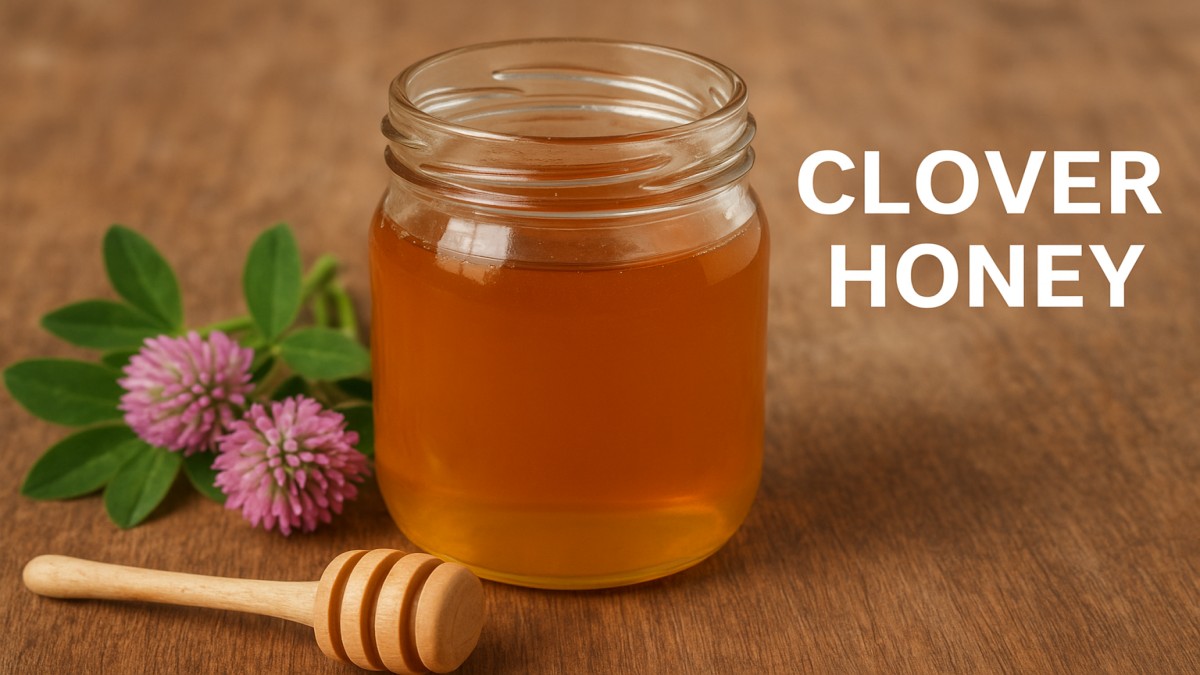
Clover honey is one of the most popular types of honey in the world. Known for its light color, mild flavor, and numerous health benefits, it has become a household staple across many cultures. But what makes this honey so special, and why is it often considered the “gold standard” of honeys?
What is Clover Honey?
Clover honey is a natural sweetener produced by bees that primarily gather nectar from clover plants. These plants are abundant in many regions, especially in North America, making clover honey widely available and affordable.
History and Origins of Clover Honey
For centuries, honey has been used as both a food and a medicine. Clover honey, in particular, rose to prominence in the 19th and 20th centuries when clover cultivation spread across farmlands, giving bees a consistent nectar source.
How Clover Honey is Produced
Role of Clover Plants
Clover flowers are rich in nectar, which makes them attractive to bees. The more clover in an area, the greater the chances of producing pure clover honey.
Bees and Pollination Process
Bees collect nectar from clover blossoms, process it in their hives, and eventually produce honey. The end result is a golden, mild-flavored honey with a smooth texture.
Types of Clover Honey
White Clover Honey
Light in color and mild in flavor, white clover honey is the most popular type.
Red Clover Honey
Slightly darker with a richer taste, red clover honey is less common.
Other Varieties
Depending on the region, bees may also collect nectar from hybrid clovers, giving the honey subtle flavor variations.
Nutritional Value of Clover Honey
Calories and Carbohydrates
A tablespoon of clover honey provides around 60 calories and 17 grams of carbs, mostly from natural sugars.
Vitamins and Minerals
It contains trace amounts of vitamin C, calcium, magnesium, and iron.
Antioxidants
Clover honey is rich in flavonoids and phenolic acids, compounds known to fight oxidative stress.
Health Benefits of Clover Honey
Boosts Immunity
Thanks to its antioxidants, clover honey helps strengthen the body’s defense system.
Soothes Cough and Sore Throat
A spoonful of clover honey in warm tea can ease throat irritation and suppress coughing.
Supports Digestion
It can help balance gut bacteria and improve digestive health.
Wound Healing Properties
Like other honeys, clover honey has antibacterial qualities, making it useful for treating minor cuts and burns.
Clover Honey vs. Regular Honey
Taste and Texture
Clover honey is milder compared to stronger honeys like buckwheat or manuka.
Nutritional Differences
While all honeys share similar nutritional values, clover honey tends to have a higher glucose-to-fructose ratio, giving it a lighter taste.
Clover Honey in Cooking and Baking
As a Natural Sweetener
It’s an excellent substitute for sugar in beverages and recipes.
Pairing with Teas and Beverages
Clover honey enhances the taste of herbal teas, smoothies, and even coffee.
Use in Baked Goods
It adds moisture and flavor to cakes, cookies, and bread.
How to Identify Pure Clover Honey
Color and Consistency
Pure clover honey is usually pale golden or amber and has a smooth texture.
Taste Profile
It should taste sweet and mild, not bitter or overly sharp.
Label Checking
Always look for “100% pure clover honey” on the packaging.
Raw vs. Processed Clover Honey
Raw clover honey is unfiltered and unpasteurized, retaining more enzymes and nutrients. Processed honey, though smoother, may lose some of its natural health benefits.
Potential Side Effects and Precautions
While generally safe, excessive honey consumption can lead to weight gain and blood sugar spikes. Infants under one year old should never consume honey due to the risk of botulism.
Conclusion
Clover honey is more than just a sweetener—it’s a versatile, nutritious, and healing food that has earned its place in kitchens worldwide. Whether you’re using it to boost your health, sweeten your tea, or heal your skin, clover honey proves why it’s considered liquid gold.
FAQs
1. Is clover honey healthier than sugar?
Yes, clover honey is more natural and contains antioxidants, unlike refined sugar.
2. Can clover honey help with allergies?
Some people find that local clover honey helps reduce seasonal allergy symptoms.
3. Does clover honey crystallize?
Yes, like all honeys, it can crystallize over time but remains safe to eat.
4. Is raw clover honey better than processed?
Raw clover honey retains more nutrients and enzymes, making it the healthier choice.
5. Can I use clover honey in weight loss diets?
In moderation, clover honey can be a healthier substitute for sugar in weight management plans.

Freelance Jobs for Beginners USA (Start with No Experience)

Side Hustle Ideas from Home USA (No Experience Needed) – Beginner’s Guide

Online Jobs from Home USA (Daily Pay) – Start Earning Instantly

Beton Celular Autoclavizat: The Future of Lightweight, Eco-Friendly Construction

Goblets: A Timeless Symbol of Elegance and Celebration

AI Tools for Making Money Online Free (Best 2026 Guide)

Passive Income Apps USA Free: Earn Money Effortlessly in 2026

How to Earn Money from Home Without Investment

ChatGPT Alternatives Free No Login (2026 Guide)

Everything You Need to Know About Koeas

Ishraq Time in Delhi: What It Is, When It Happens, and Why It Matters
Beton Celular Autoclavizat: The Future of Lightweight, Eco-Friendly Construction

Read OPM Manga Online: Where and How to Enjoy One Punch Man Legally

Technisches Gymnasium: Your Gateway to Engineering and Technology

Why Every Small Business Needs a Digital Marketing Agency
Goblets: A Timeless Symbol of Elegance and Celebration

Gold Shower: Nature’s Cascading Yellow Wonder

The Indian Bow: A Legacy of Precision, Power, and Tradition

Robert Provost: A Life of Leadership, Community, and Vision

Are Political Donations Tax Deductible?
Freelance Jobs for Beginners USA (Start with No Experience)
Side Hustle Ideas from Home USA (No Experience Needed) – Beginner’s Guide
Online Jobs from Home USA (Daily Pay) – Start Earning Instantly
Beton Celular Autoclavizat: The Future of Lightweight, Eco-Friendly Construction
Goblets: A Timeless Symbol of Elegance and Celebration
AI Tools for Making Money Online Free (Best 2026 Guide)
Passive Income Apps USA Free: Earn Money Effortlessly in 2026
How to Earn Money from Home Without Investment
ChatGPT Alternatives Free No Login (2026 Guide)
Everything You Need to Know About Koeas

 entertainment7 months ago
PYT Telegram: A Complete Guide to Understanding, Using, and Maximizing It

 entertainment7 months ago
OnionFlix: Everything You Need to Know About This Streaming Website
- others6 months ago
Nook vs Kindle: Which E-Reader Is Right for You?
- gaming7 months ago
Melisandre: The Enigmatic Priestess of Game of Thrones