Content Marketing
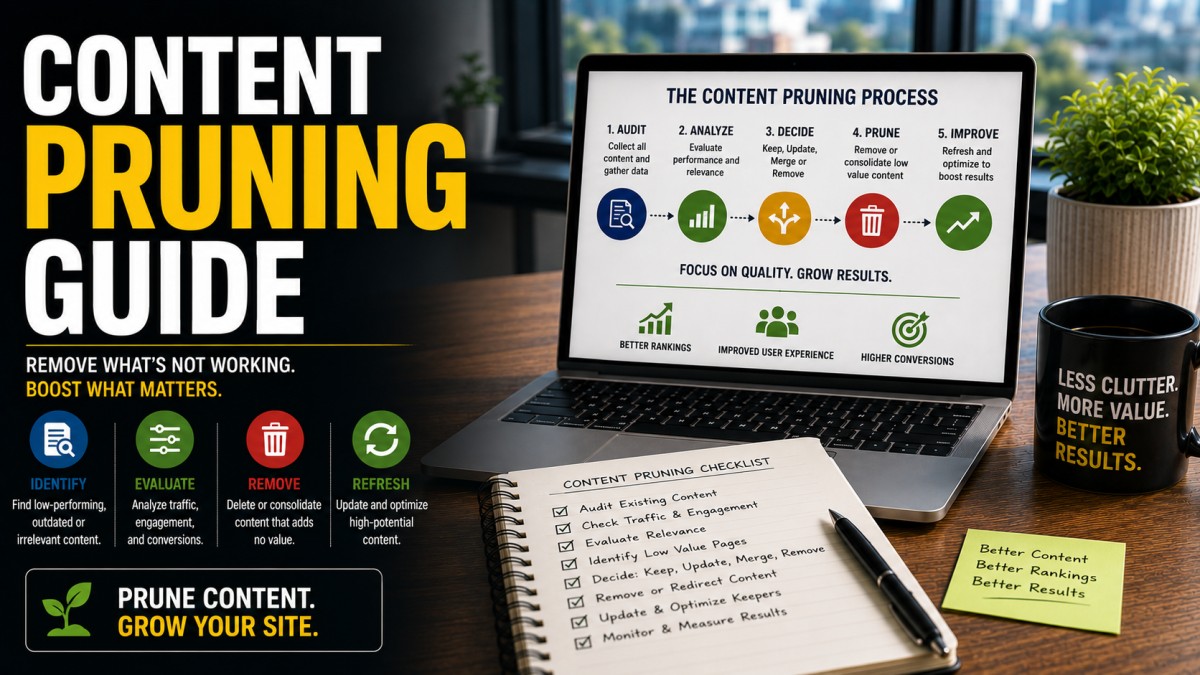
Content Pruning Guide: Improve SEO by Cleaning Up Old Content (2026)


business4 hours ago
How to Write a Professional Business Email That Gets a Reply: A Simple Guide for Small Businesses

Content Marketing4 hours ago
How to Create a Small Business Content Marketing Plan That Actually Gets Results

business5 hours ago
How to Price Your Services as a Small Business: A Simple Guide That Protects Your Profit
business7 hours ago
How to Improve Customer Retention for a Small Business: Simple Strategies That Keep Customers Coming Back

business7 hours ago
How to Set SMART Goals for a Small Business: A Practical Guide That Actually Works

Content Marketing10 hours ago
How to Repurpose Blog Content for Social Media Without Starting From Scratch
business10 hours ago
How to Write a Professional Business Email That Gets a Reply
Content Marketing12 hours ago
How to Create a Content Calendar for a Small Business
Productivity13 hours ago
How to Write Meeting Notes That People Actually Use

business3 months ago
Consultative Selling Techniques: A Complete Guide to Building Customer Trust in 2026
Content Marketing12 hours ago
How to Create a Content Calendar for a Small Business
business7 hours ago
How to Set SMART Goals for a Small Business: A Practical Guide That Actually Works
business5 hours ago
How to Price Your Services as a Small Business: A Simple Guide That Protects Your Profit
business10 hours ago
How to Write a Professional Business Email That Gets a Reply
Content Marketing10 hours ago
How to Repurpose Blog Content for Social Media Without Starting From Scratch
Productivity13 hours ago
How to Write Meeting Notes That People Actually Use
business7 hours ago
How to Improve Customer Retention for a Small Business: Simple Strategies That Keep Customers Coming Back
Content Marketing4 hours ago
How to Create a Small Business Content Marketing Plan That Actually Gets Results
business4 hours ago
How to Write a Professional Business Email That Gets a Reply: A Simple Guide for Small Businesses
business4 hours ago
How to Write a Professional Business Email That Gets a Reply: A Simple Guide for Small Businesses
Content Marketing4 hours ago
How to Create a Small Business Content Marketing Plan That Actually Gets Results
business5 hours ago
How to Price Your Services as a Small Business: A Simple Guide That Protects Your Profit
business7 hours ago
How to Improve Customer Retention for a Small Business: Simple Strategies That Keep Customers Coming Back
business7 hours ago
How to Set SMART Goals for a Small Business: A Practical Guide That Actually Works
Content Marketing10 hours ago
How to Repurpose Blog Content for Social Media Without Starting From Scratch
business10 hours ago
How to Write a Professional Business Email That Gets a Reply
Content Marketing12 hours ago
How to Create a Content Calendar for a Small Business
Productivity13 hours ago
How to Write Meeting Notes That People Actually Use
business3 months ago
Consultative Selling Techniques: A Complete Guide to Building Customer Trust in 2026

 entertainment1 year ago
PYT Telegram: A Complete Guide to Understanding, Using, and Maximizing It

 entertainment1 year ago
OnionFlix: Everything You Need to Know About This Streaming Website
- education1 year ago
How to Become a Software Engineer: A Complete Guide
- others1 year ago
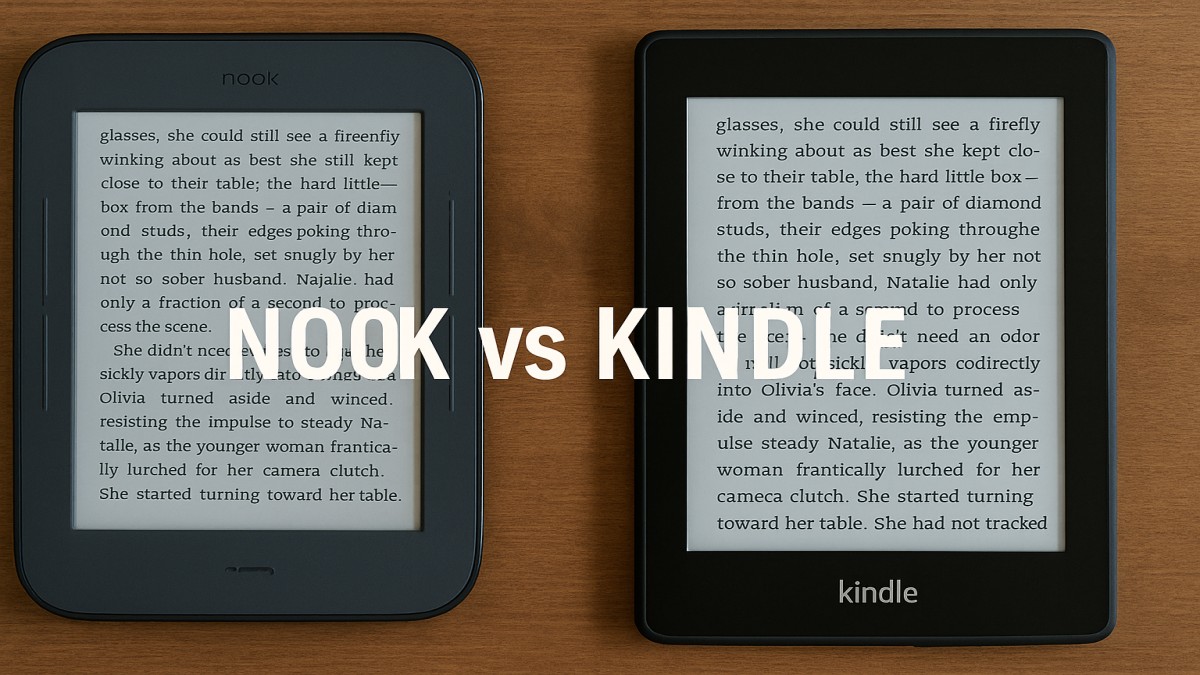
Nook vs Kindle: Which E-Reader Is Right for You?