business
Customer Conversion Process: A Complete Guide to Turning Visitors into Loyal Customers (2026)

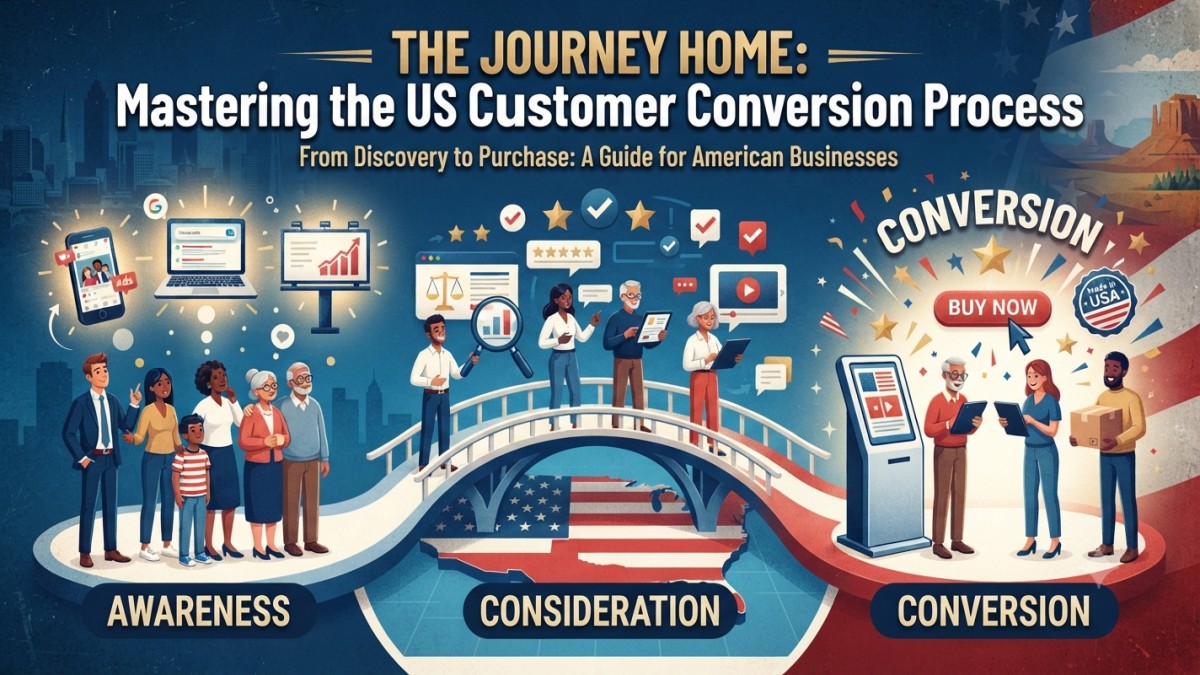
Attracting website visitors is only the beginning of business success. The real challenge is converting those visitors into paying customers. Many businesses spend thousands on advertising but struggle to generate consistent sales because they lack a structured customer conversion process. That is why customer conversion process has become an important topic for marketers, entrepreneurs, and business owners across the USA.
Understanding the customer conversion process helps businesses guide potential customers from their first interaction to making a purchase. Whether you operate an eCommerce store, SaaS platform, consulting business, or local company, improving your conversion process can increase revenue without necessarily increasing traffic.
The best part is that even small improvements throughout the customer journey can significantly improve conversion rates.
Customer Conversion Process: Why Every Business Needs a Clear Strategy
A successful customer conversion process is built around understanding how people make buying decisions. Customers rarely purchase immediately after discovering a brand. Instead, they move through several stages before they feel confident enough to buy.
The growing importance of the customer conversion process comes from increasing online competition. Businesses that provide a smooth, trustworthy, and helpful customer journey usually outperform competitors that rely only on advertising.
A clear conversion strategy removes obstacles and encourages customers to take action.
Attract the Right Audience
The conversion process starts by reaching people who actually need your products or services.
Focus on:
- SEO.
- Content marketing.
- Social media.
- Paid advertising.
- Email marketing.
Targeted traffic usually converts better than random visitors.
Create a Strong First Impression
Visitors decide within seconds whether to stay on your website.
Improve first impressions by providing:
- Professional website design.
- Clear messaging.
- Fast loading speed.
- Mobile-friendly layout.
- Easy navigation.
A clean experience encourages visitors to continue exploring.
Build Customer Trust
Trust is one of the most important parts of a customer conversion process.
Build credibility through:
- Customer reviews.
- Testimonials.
- Security badges.
- Clear contact information.
- Transparent pricing.
Trust reduces buying hesitation.
Explain Your Value Clearly
Customers should immediately understand:
- What you offer.
- Who it helps.
- Why it is valuable.
- How it solves problems.
Simple messaging often converts better than complicated marketing language.
Use Strong Calls to Action
Every page should guide visitors toward one clear action.
Examples include:
- Buy Now.
- Get Started.
- Request a Quote.
- Download Free Guide.
- Contact Us.
Clear CTAs reduce confusion and improve conversions.
Reduce Buying Friction
Complicated purchasing processes reduce sales.
Simplify:
- Checkout steps.
- Contact forms.
- Registration.
- Payment methods.
The easier the process, the more likely customers are to complete it.
Answer Customer Questions
Many visitors hesitate because they have unanswered questions.
Provide:
- FAQs.
- Product details.
- Shipping information.
- Return policies.
- Customer support.
Helpful information increases buyer confidence.
Follow Up With Leads
Not every visitor purchases immediately.
Stay connected through:
- Email campaigns.
- Special offers.
- Educational content.
- Personalized recommendations.
Follow-ups help convert undecided prospects.
Measure Conversion Performance
Track important metrics such as:
- Conversion rate.
- Bounce rate.
- Time on page.
- Cart abandonment.
- Lead generation.
Data helps identify opportunities for improvement.
Common Conversion Mistakes
Many businesses:
- Overcomplicate websites.
- Ignore customer trust.
- Use weak CTAs.
- Hide pricing.
- Fail to follow up with leads.
Avoiding these mistakes often increases conversions quickly.
Tips for Improving Customer Conversions
Successful businesses often:
- Focus on customer needs.
- Improve website usability.
- Test different CTAs.
- Build trust consistently.
- Simplify buying processes.
- Analyze customer behavior.
Small improvements create better long-term results.
Benefits of an Effective Customer Conversion Process
Optimizing conversions helps increase:
- Sales.
- Customer trust.
- Marketing ROI.
- Customer loyalty.
- Business growth.
- Revenue without increasing traffic.
A better conversion process makes marketing more efficient.
Future of Customer Conversion
Modern businesses increasingly rely on:
- AI-powered personalization.
- Marketing automation.
- Customer behavior analysis.
- Predictive recommendations.
- Personalized user experiences.
While technology continues improving, customer trust and clear communication will always remain essential.
Conclusion
A well-designed customer conversion process helps businesses turn website visitors into paying customers by removing friction, building trust, and providing clear guidance throughout the buying journey.
By attracting the right audience, improving website experience, building credibility, answering customer questions, simplifying purchases, using strong calls to action, and continuously measuring performance, businesses create sustainable growth without depending entirely on additional traffic.
For companies in the USA, improving the customer conversion process remains one of the smartest investments for long-term business success in 2026.
FAQs
1. What is the customer conversion process?
It is the journey that turns visitors into paying customers.
2. Why is customer conversion important?
Higher conversions generate more revenue from existing traffic.
3. What improves conversion rates?
Better trust, clear messaging, strong CTAs, and simple checkout processes.
4. Does website speed affect conversions?
Yes. Faster websites usually improve customer experience and sales.
5. Why are customer testimonials important?
They provide social proof and increase buyer confidence.

Consultative Selling Techniques: A Complete Guide to Building Customer Trust in 2026

Sales Objection Handling: A Complete Guide to Closing More Deals in 2026

Customer Closing Techniques: A Complete Guide to Converting Prospects into Buyers (2026)

Customer Conversion Process: A Complete Guide to Turning Visitors into Loyal Customers (2026)

Sales Funnel Examples: A Complete Guide to Converting More Customers (2026)

Lead Qualification Framework: A Complete Guide to Finding High-Quality Customers (2026)

Website Credibility Factors: A Complete Guide to Building Trust Online (2026)

Online Reputation Monitoring: A Complete Guide to Protecting Your Brand in 2026

Customer Testimonial Strategy: A Complete Guide to Building Trust and Increasing Sales (2026)

Business Storytelling Framework: A Complete Guide to Building Strong Brand Connections (2026)
Consultative Selling Techniques: A Complete Guide to Building Customer Trust in 2026
Sales Objection Handling: A Complete Guide to Closing More Deals in 2026
Customer Closing Techniques: A Complete Guide to Converting Prospects into Buyers (2026)
Customer Conversion Process: A Complete Guide to Turning Visitors into Loyal Customers (2026)
Sales Funnel Examples: A Complete Guide to Converting More Customers (2026)
Lead Qualification Framework: A Complete Guide to Finding High-Quality Customers (2026)
Website Credibility Factors: A Complete Guide to Building Trust Online (2026)
Online Reputation Monitoring: A Complete Guide to Protecting Your Brand in 2026
Customer Testimonial Strategy: A Complete Guide to Building Trust and Increasing Sales (2026)
Business Storytelling Framework: A Complete Guide to Building Strong Brand Connections (2026)

 entertainment1 year ago
PYT Telegram: A Complete Guide to Understanding, Using, and Maximizing It

 entertainment1 year ago
OnionFlix: Everything You Need to Know About This Streaming Website
- education1 year ago
How to Become a Software Engineer: A Complete Guide
- others11 months ago
Nook vs Kindle: Which E-Reader Is Right for You?