business
Online Reputation Monitoring: A Complete Guide to Protecting Your Brand in 2026

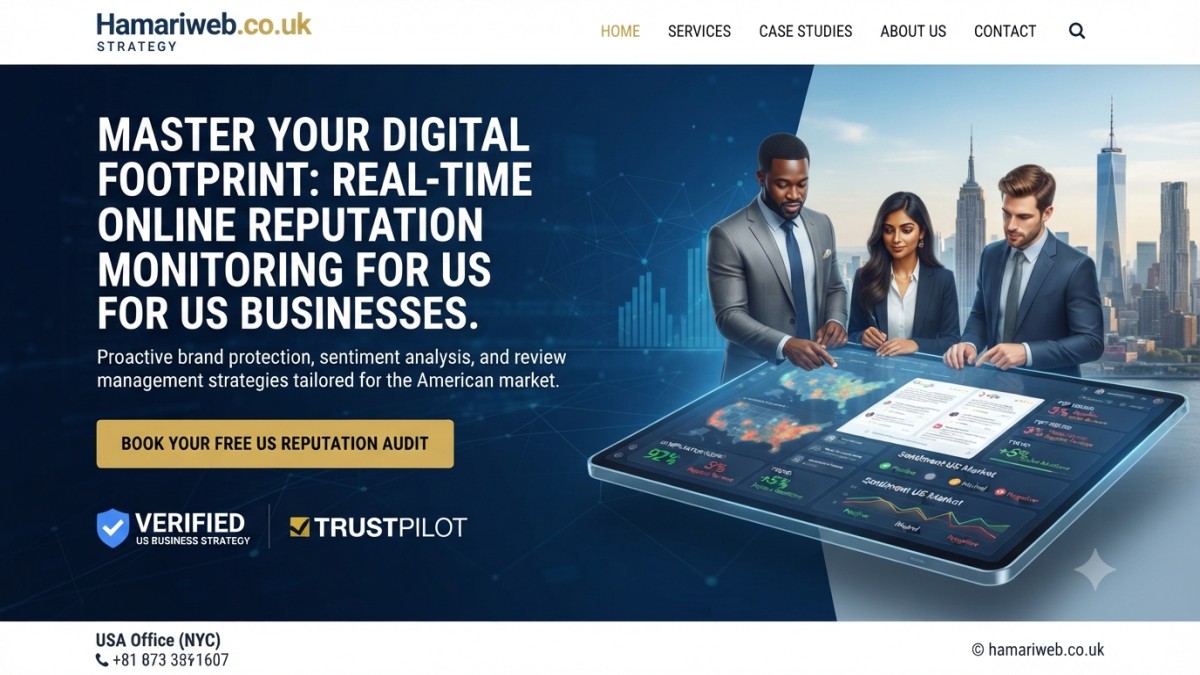
In today’s digital world, people form opinions about businesses before they ever make contact. A single review, social media comment, or news article can influence purchasing decisions within minutes. That is why online reputation monitoring has become one of the most important business practices for companies across the USA.
An effective online reputation monitoring strategy helps businesses track customer feedback, identify potential problems early, and maintain a positive brand image. Whether you run a startup, local business, online store, or large company, monitoring your online reputation protects customer trust and supports long-term growth.
The good news is that reputation monitoring does not have to be complicated. With the right process, businesses can quickly identify issues and respond before they become larger problems.
Online Reputation Monitoring: Why Every Business Needs It
A successful online reputation monitoring plan begins with understanding that customers constantly share opinions online. Reviews, social media posts, discussion forums, and search results all influence how people perceive your business.
The growing importance of online reputation monitoring comes from changing consumer behavior. Most customers research businesses before buying products or services. If they discover unanswered complaints or negative content, they often choose competitors instead.
Monitoring your reputation helps businesses stay informed and maintain customer confidence.
Monitor Search Engine Results
The first step is checking what appears when people search for your business.
Review:
- Google search results.
- Business listings.
- News mentions.
- Blog articles.
- Image search results.
Regular searches help identify new content that may affect your reputation.
Track Customer Reviews
Online reviews influence buying decisions more than ever.
Monitor platforms such as:
- Google Business Profile.
- Yelp.
- Trustpilot.
- Facebook Reviews.
- Industry-specific review sites.
Responding to reviews shows customers that you value their opinions.
Watch Social Media Mentions
Customers frequently discuss businesses on social media.
Monitor:
- Brand mentions.
- Comments.
- Tags.
- Direct messages.
- Hashtags.
Fast responses often prevent small complaints from becoming larger reputation issues.
Respond Quickly and Professionally
One essential part of online reputation monitoring is responding to feedback promptly.
When customers leave reviews:
- Thank them for positive comments.
- Address concerns respectfully.
- Offer practical solutions.
- Remain professional.
A thoughtful response often improves public perception.
Set Up Brand Alerts
Automated alerts make monitoring easier.
Track:
- Brand name.
- Product names.
- Executive names.
- Competitor mentions.
- Industry keywords.
Notifications allow businesses to react quickly.
Analyze Customer Feedback
Customer feedback provides valuable insights.
Look for patterns involving:
- Product quality.
- Customer service.
- Pricing.
- Delivery.
- Website experience.
Repeated issues often reveal opportunities for improvement.
Protect Your Business Information
Keep your online information accurate.
Update:
- Contact details.
- Business hours.
- Website links.
- Company descriptions.
- Social profiles.
Accurate information reduces customer frustration.
Encourage Positive Reviews
Happy customers are often willing to share positive experiences.
Request reviews after:
- Successful purchases.
- Completed projects.
- Positive customer interactions.
- Product deliveries.
Authentic reviews strengthen credibility.
Create Positive Content
Publishing valuable content improves search visibility.
Create:
- Blog posts.
- Case studies.
- Customer success stories.
- Educational articles.
- Company updates.
Positive content helps build a stronger online presence.
Common Reputation Monitoring Mistakes
Many businesses:
- Ignore negative reviews.
- Respond emotionally.
- Stop monitoring after launching.
- Leave outdated information online.
- Focus only on positive feedback.
Avoiding these mistakes protects long-term credibility.
Tips for Better Online Reputation Monitoring
Successful businesses often:
- Monitor daily.
- Respond quickly.
- Stay transparent.
- Learn from customer feedback.
- Improve continuously.
- Encourage honest reviews.
Small improvements create stronger customer trust.
Benefits of Online Reputation Monitoring
A consistent monitoring strategy helps improve:
- Customer trust.
- Brand credibility.
- Customer loyalty.
- Search visibility.
- Business reputation.
- Long-term growth.
Strong reputations often lead to higher conversions.
Future of Online Reputation Monitoring
Technology continues changing reputation management.
Businesses increasingly use:
- AI-powered monitoring.
- Sentiment analysis.
- Automated notifications.
- Customer feedback analytics.
- Reputation dashboards.
Although technology improves efficiency, genuine customer care remains the most important factor.
Conclusion
An effective online reputation monitoring strategy helps businesses protect their brand, strengthen customer relationships, and build long-term trust.
By monitoring search results, tracking customer reviews, responding professionally, encouraging positive feedback, publishing valuable content, maintaining accurate business information, and continuously improving customer experiences, businesses create stronger reputations that support sustainable growth.
For companies in the USA, online reputation monitoring is no longer optional—it is one of the smartest investments for business success in 2026.
FAQs
1. What is online reputation monitoring?
It is the process of tracking and managing how a business is perceived online.
2. Why is reputation monitoring important?
It helps businesses identify issues early and maintain customer trust.
3. Which platforms should businesses monitor?
Google, review websites, social media, business directories, and news sources.
4. How often should businesses monitor their reputation?
Daily monitoring helps identify problems quickly.
5. Should businesses respond to negative reviews?
Yes. Professional responses often improve customer confidence.

Consultative Selling Techniques: A Complete Guide to Building Customer Trust in 2026

Sales Objection Handling: A Complete Guide to Closing More Deals in 2026

Customer Closing Techniques: A Complete Guide to Converting Prospects into Buyers (2026)

Customer Conversion Process: A Complete Guide to Turning Visitors into Loyal Customers (2026)

Sales Funnel Examples: A Complete Guide to Converting More Customers (2026)

Lead Qualification Framework: A Complete Guide to Finding High-Quality Customers (2026)

Website Credibility Factors: A Complete Guide to Building Trust Online (2026)

Online Reputation Monitoring: A Complete Guide to Protecting Your Brand in 2026

Customer Testimonial Strategy: A Complete Guide to Building Trust and Increasing Sales (2026)

Business Storytelling Framework: A Complete Guide to Building Strong Brand Connections (2026)
Consultative Selling Techniques: A Complete Guide to Building Customer Trust in 2026
Sales Objection Handling: A Complete Guide to Closing More Deals in 2026
Customer Closing Techniques: A Complete Guide to Converting Prospects into Buyers (2026)
Customer Conversion Process: A Complete Guide to Turning Visitors into Loyal Customers (2026)
Sales Funnel Examples: A Complete Guide to Converting More Customers (2026)
Lead Qualification Framework: A Complete Guide to Finding High-Quality Customers (2026)
Website Credibility Factors: A Complete Guide to Building Trust Online (2026)
Online Reputation Monitoring: A Complete Guide to Protecting Your Brand in 2026
Customer Testimonial Strategy: A Complete Guide to Building Trust and Increasing Sales (2026)
Business Storytelling Framework: A Complete Guide to Building Strong Brand Connections (2026)

 entertainment1 year ago
PYT Telegram: A Complete Guide to Understanding, Using, and Maximizing It

 entertainment1 year ago
OnionFlix: Everything You Need to Know About This Streaming Website
- education1 year ago
How to Become a Software Engineer: A Complete Guide
- others11 months ago
Nook vs Kindle: Which E-Reader Is Right for You?