Health
Tomillo in English: Meaning, Uses, and Everyday Importance

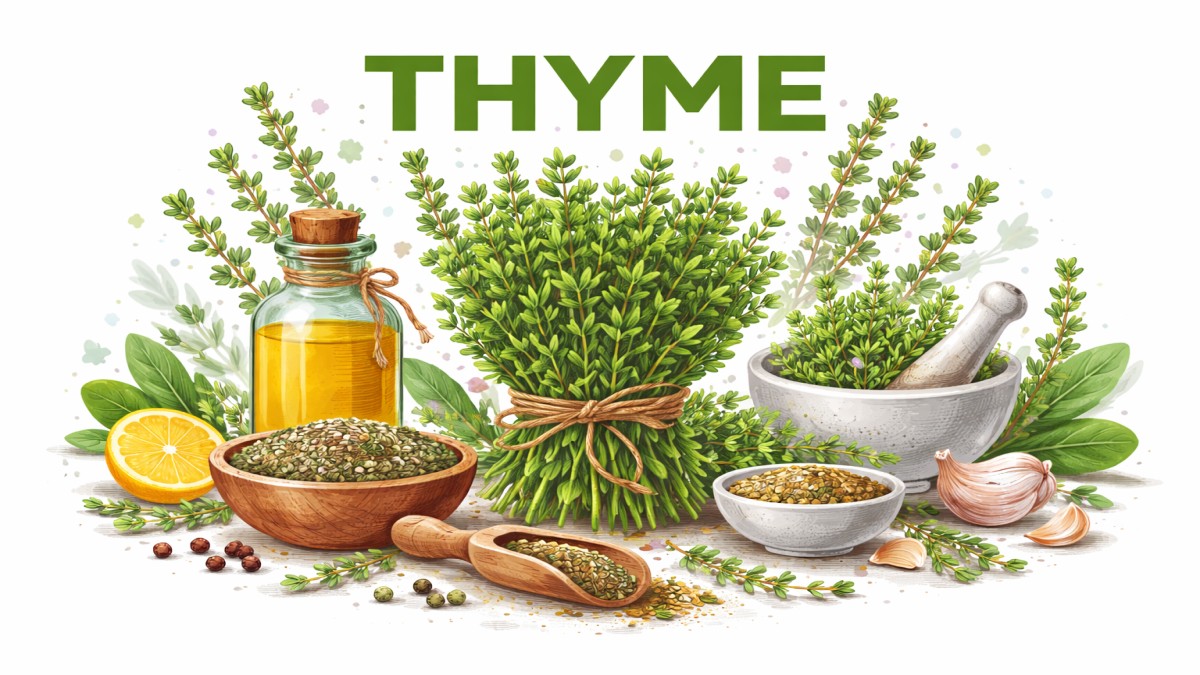
If you’ve ever come across the Spanish word “tomillo” and wondered what it means in English, you’re not alone. This small word shows up frequently in cooking, herbal remedies, gardening, and even traditional medicine. In English, “tomillo” translates to “thyme.” Simple, right? But behind this simple translation lies a fascinating herb with a long history and countless uses.
Let’s explore what thyme is, how it’s used, and why it matters so much across cultures.
What Does “Tomillo” Mean in English?
The Spanish word tomillo means thyme in English.
- Spanish: Tomillo
- English: Thyme
- Scientific name: Thymus vulgaris
Thyme is a fragrant herb belonging to the mint family. It’s widely used in cooking, natural remedies, and essential oils. Even though it’s small in size, thyme packs a powerful punch in both flavor and benefits.
What Is Thyme?
Thyme is a perennial herb with tiny green leaves and a strong, earthy aroma. It grows best in warm, sunny climates and has been used for thousands of years.
Ancient civilizations like the Egyptians, Greeks, and Romans valued thyme for its medicinal, culinary, and symbolic importance. Today, it remains a kitchen staple around the world.
Culinary Uses of Thyme (Tomillo)
One of the most common places you’ll find thyme is in the kitchen. It’s a favorite herb in Mediterranean, European, and Middle Eastern cuisines.
Common Dishes Using Thyme
- Soups and stews
- Roasted chicken or lamb
- Grilled vegetables
- Pasta sauces
- Marinades
- Bread and stuffing
Thyme has a warm, slightly minty, and earthy flavor. It blends well with garlic, rosemary, oregano, and bay leaves.
Fresh vs Dried Thyme
- Fresh thyme has a brighter, more delicate taste
- Dried thyme is stronger and more concentrated
As a rule of thumb, use one teaspoon of dried thyme for one tablespoon of fresh thyme.
Medicinal and Health Benefits of Thyme
Thyme isn’t just tasty—it’s also known for its health benefits.
Traditional Uses
For centuries, thyme has been used to:
- Relieve coughs and colds
- Support digestion
- Fight infections
- Soothe sore throats
Key Health Benefits
- Antibacterial properties: Helps fight germs
- Antioxidants: Supports overall health
- Respiratory support: Often used in herbal teas and syrups
- Digestive aid: Can help reduce bloating
Thyme tea, in particular, is popular for easing cold symptoms and improving digestion.
Thyme in Herbal Medicine
In herbal traditions, thyme is considered a warming and cleansing herb. The essential oil extracted from thyme contains thymol, a powerful compound with antiseptic properties.
Thyme oil is commonly used in:
- Mouthwashes
- Natural cleaners
- Aromatherapy
- Skin treatments (when diluted properly)
⚠️ Important note: Thyme essential oil is very strong and should always be diluted before use.
Different Types of Thyme
There isn’t just one kind of thyme. Several varieties are used around the world.
Common Types
- Common thyme: Most used in cooking
- Lemon thyme: Citrus-scented, great for fish and chicken
- Wild thyme: Often used medicinally
- Creeping thyme: Decorative ground cover with a mild aroma
Each variety has its own flavor and purpose, but all are referred to as “tomillo” in Spanish.
Growing Thyme at Home
Thyme is one of the easiest herbs to grow, even for beginners.
Growing Conditions
- Plenty of sunlight
- Well-drained soil
- Moderate watering
Thyme grows well in:
- Gardens
- Pots
- Balconies
- Windowsills
Once planted, it requires very little maintenance and can last for years.
Cultural Importance of Thyme
Thyme has played symbolic roles throughout history.
- In ancient Greece, it symbolized courage
- Romans believed it brought strength and protection
- In medieval Europe, thyme was placed under pillows to prevent nightmares
Today, thyme continues to symbolize health, warmth, and resilience.
Conclusion
So, what does “tomillo” mean in English? The answer is thyme—a small but mighty herb with a rich history, bold flavor, and impressive health benefits. From enhancing everyday meals to supporting wellness and tradition, thyme proves that simple ingredients often carry the greatest value.
Whether you’re learning English, exploring Spanish vocabulary, or improving your cooking skills, understanding the meaning and uses of tomillo opens the door to a world of flavor and culture.
Frequently Asked Questions (FAQs)
1. What is “tomillo” called in English?
Tomillo is called thyme in English.
2. Is thyme and oregano the same?
No, they are different herbs with distinct flavors, though they are often used together.
3. Can thyme be used fresh and dried?
Yes, thyme works well in both forms. Dried thyme is more concentrated than fresh.
4. Is thyme good for health?
Yes, thyme has antibacterial, antioxidant, and digestive benefits.
5. How do you pronounce thyme?
Thyme is pronounced “time”, with a silent “h”.

Freelance Jobs for Beginners USA (Start with No Experience)

Side Hustle Ideas from Home USA (No Experience Needed) – Beginner’s Guide

Online Jobs from Home USA (Daily Pay) – Start Earning Instantly

Beton Celular Autoclavizat: The Future of Lightweight, Eco-Friendly Construction

Goblets: A Timeless Symbol of Elegance and Celebration

AI Tools for Making Money Online Free (Best 2026 Guide)

Passive Income Apps USA Free: Earn Money Effortlessly in 2026

How to Earn Money from Home Without Investment

ChatGPT Alternatives Free No Login (2026 Guide)

Everything You Need to Know About Koeas

Ishraq Time in Delhi: What It Is, When It Happens, and Why It Matters
Beton Celular Autoclavizat: The Future of Lightweight, Eco-Friendly Construction

Read OPM Manga Online: Where and How to Enjoy One Punch Man Legally

Technisches Gymnasium: Your Gateway to Engineering and Technology

Why Every Small Business Needs a Digital Marketing Agency
Goblets: A Timeless Symbol of Elegance and Celebration

Gold Shower: Nature’s Cascading Yellow Wonder

The Indian Bow: A Legacy of Precision, Power, and Tradition

Robert Provost: A Life of Leadership, Community, and Vision

Are Political Donations Tax Deductible?
Freelance Jobs for Beginners USA (Start with No Experience)
Side Hustle Ideas from Home USA (No Experience Needed) – Beginner’s Guide
Online Jobs from Home USA (Daily Pay) – Start Earning Instantly
Beton Celular Autoclavizat: The Future of Lightweight, Eco-Friendly Construction
Goblets: A Timeless Symbol of Elegance and Celebration
AI Tools for Making Money Online Free (Best 2026 Guide)
Passive Income Apps USA Free: Earn Money Effortlessly in 2026
How to Earn Money from Home Without Investment
ChatGPT Alternatives Free No Login (2026 Guide)
Everything You Need to Know About Koeas

 entertainment7 months ago
PYT Telegram: A Complete Guide to Understanding, Using, and Maximizing It

 entertainment7 months ago
OnionFlix: Everything You Need to Know About This Streaming Website
- others6 months ago
Nook vs Kindle: Which E-Reader Is Right for You?
- gaming7 months ago
Melisandre: The Enigmatic Priestess of Game of Thrones