food
Ramune: The Iconic Japanese Marble Soda

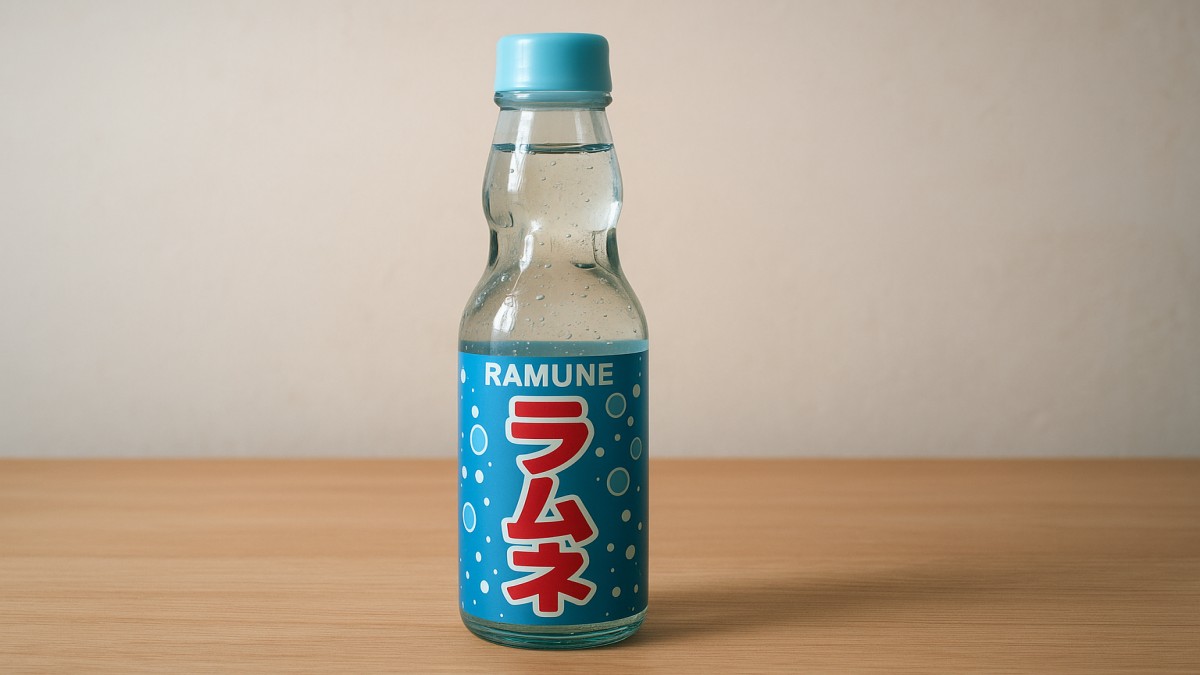
Some drinks quench thirst. Others create memories. Ramune does both. With its quirky marble-sealed bottle and gentle fizz, ramune feels less like a soft drink and more like a tiny celebration in your hands. One pop of the marble, and suddenly you’re transported to a Japanese summer festival lanterns glowing, food stalls buzzing, and laughter floating in the air.
What Is Ramune?
Definition and Basic Overview
Ramune is a Japanese carbonated soft drink best known for its unique glass bottle sealed with a marble. It’s lightly sweet, mildly citrusy, and incredibly refreshing, especially during hot weather.
Why Ramune Is Instantly Recognizable
That marble isn’t just decoration. It’s the heart of ramune’s identity. The moment you hear it drop, you know exactly what you’re about to enjoy.
The Origin and History of Ramune
Introduction to Japan
Ramune was introduced to Japan in the late 1800s during the Meiji era, when Western culture was rapidly influencing Japanese society.
The Western Roots of the Name
The word ramune comes from the English word “lemonade.” Over time, the pronunciation changed, and the drink evolved into something uniquely Japanese.
The Famous Ramune Bottle
Codd-Neck Bottle Design
Ramune uses a Codd-neck bottle, a 19th-century design that seals carbonation using a glass marble and rubber ring.
Purpose of the Glass Marble
The marble keeps the soda carbonated. After opening, it rolls freely inside the bottle, creating that iconic rattling sound while you drink.
How to Open a Ramune Bottle Properly
Step-by-Step Instructions
- Remove the plastic seal
- Take out the plastic plunger
- Place the plunger on top
- Press firmly to pop the marble down
Common Beginner Mistakes
Pressing too gently or tilting the bottle too soon can cause foam overflow. Confidence is key—commit to the push.
What Does Ramune Taste Like?
Flavor Profile Explained
Ramune has a clean, light taste. It’s sweet but not heavy, fizzy but not harsh. Think of it as soda’s softer, more playful cousin.
Popular Ramune Flavors
Classic Original Flavor
The original ramune flavor is slightly citrusy and universally loved. It’s the taste most people associate with Japanese summers.
Fruit and Limited-Edition Flavors
Modern ramune comes in countless flavors, including:
- Strawberry
- Melon
- Lychee
- Blueberry
- Grape
- Cola
Seasonal and novelty flavors make ramune exciting to collect and try.
Ramune in Japanese Culture
Summer Festivals and Street Food
Ramune is everywhere during matsuri (festivals). It pairs perfectly with takoyaki, yakisoba, and grilled corn.
Nostalgia and Childhood Memories
For many Japanese people, ramune is the taste of childhood—a symbol of carefree summer days.
Ramune in Anime and Pop Culture
Symbol of Summer and Youth
In anime and manga, ramune often appears during emotional or nostalgic scenes, representing simplicity, youth, and fleeting moments.
Ingredients and Nutritional Information
What Goes Into Ramune
Typical ingredients include:
- Carbonated water
- Sugar or corn syrup
- Citric acid
- Natural or artificial flavoring
It’s a treat, not a health drink—but sometimes joy matters more than calories.
Is Ramune for Kids or Adults?
Universal Appeal
Ramune isn’t age-specific. Kids love the marble. Adults love the nostalgia. Tourists love the novelty. Everyone wins.
Ramune vs Other Soft Drinks
How It Stands Out
Unlike mass-produced sodas, ramune offers interaction. Opening it feels like an event, not a routine.
Global Popularity of Ramune
Availability Outside Japan
Thanks to anime, Japanese cuisine, and pop culture, ramune is now available worldwide in Asian grocery stores and specialty shops.
Collecting Ramune Bottles
Decorative and Cultural Value
Many people keep empty bottles as decorations. Their shape, labels, and marbles make them charming collectibles.
Conclusion
Ramune isn’t just a drink—it’s an experience bottled in glass. From the satisfying pop of the marble to the gentle fizz on your tongue, every sip feels playful and nostalgic. Whether you’re discovering it for the first time or reliving summer memories, ramune proves that sometimes, the simplest pleasures are the most memorable.
FAQs
1. Why does ramune have a marble instead of a cap?
The marble seals carbonation and creates a unique drinking experience.
2. Is ramune alcoholic?
No, ramune is a non-alcoholic soft drink.
3. What is the most popular ramune flavor?
The classic original flavor remains the favorite worldwide.
4. Can you reuse a ramune bottle?
You can reuse it decoratively, but resealing it for drinks is difficult.
5. Is ramune only popular in summer?
It’s most popular in summer but enjoyed year-round.

Consultative Selling Techniques: A Complete Guide to Building Customer Trust in 2026

Sales Objection Handling: A Complete Guide to Closing More Deals in 2026

Customer Closing Techniques: A Complete Guide to Converting Prospects into Buyers (2026)

Customer Conversion Process: A Complete Guide to Turning Visitors into Loyal Customers (2026)

Sales Funnel Examples: A Complete Guide to Converting More Customers (2026)

Lead Qualification Framework: A Complete Guide to Finding High-Quality Customers (2026)

Website Credibility Factors: A Complete Guide to Building Trust Online (2026)

Online Reputation Monitoring: A Complete Guide to Protecting Your Brand in 2026

Customer Testimonial Strategy: A Complete Guide to Building Trust and Increasing Sales (2026)

Business Storytelling Framework: A Complete Guide to Building Strong Brand Connections (2026)
Consultative Selling Techniques: A Complete Guide to Building Customer Trust in 2026
Sales Objection Handling: A Complete Guide to Closing More Deals in 2026
Customer Closing Techniques: A Complete Guide to Converting Prospects into Buyers (2026)
Customer Conversion Process: A Complete Guide to Turning Visitors into Loyal Customers (2026)
Sales Funnel Examples: A Complete Guide to Converting More Customers (2026)
Lead Qualification Framework: A Complete Guide to Finding High-Quality Customers (2026)
Website Credibility Factors: A Complete Guide to Building Trust Online (2026)
Online Reputation Monitoring: A Complete Guide to Protecting Your Brand in 2026
Customer Testimonial Strategy: A Complete Guide to Building Trust and Increasing Sales (2026)
Business Storytelling Framework: A Complete Guide to Building Strong Brand Connections (2026)

 entertainment1 year ago
PYT Telegram: A Complete Guide to Understanding, Using, and Maximizing It

 entertainment1 year ago
OnionFlix: Everything You Need to Know About This Streaming Website
- education1 year ago
How to Become a Software Engineer: A Complete Guide
- others12 months ago
Nook vs Kindle: Which E-Reader Is Right for You?