others
Saida Sidon: A Historic Coastal City of Lebanon

Introduction to Saida Sidon
Saida Sidon is one of those places where history doesn’t just sit in books—it breathes through stone walls, narrow streets, and salty sea air. Known today as Saida, this ancient city lies on Lebanon’s Mediterranean coast and is considered one of the oldest continuously inhabited cities in the world. Pretty impressive, right?
Where Is Saida Sidon Located?
Saida Sidon is located about 40 kilometers south of Beirut, stretching gracefully along the Mediterranean Sea. Its coastal position made it a natural hub for trade, travel, and cultural exchange for thousands of years.
Why Saida Sidon Is Historically Important
Sidon wasn’t just another ancient city—it was a powerhouse. It played a central role in shaping maritime trade, craftsmanship, and early civilization across the Mediterranean.
The Ancient Origins of Sidon
Sidon in Phoenician Civilization
Sidon rose to prominence as one of the most important cities of the Phoenician civilization. The Phoenicians were master sailors, traders, and innovators, and Sidon was their shining jewel.
Sidon as a Maritime Power
From glassmaking to purple dye production, Sidon exported luxury goods far and wide. Think of it as the Amazon of the ancient world—only with ships instead of trucks.
Saida Sidon Through Different Empires
Egyptian and Assyrian Rule
Sidon’s wealth attracted powerful empires. Egyptians and Assyrians controlled the city at different times, each leaving behind cultural and architectural fingerprints.
Persian, Greek, and Roman Influence
Later, Persians ruled Sidon, followed by the Greeks under Alexander the Great and then the Romans. Roads, temples, and public buildings flourished during these eras, shaping the city’s urban character.
Saida Sidon in the Islamic Era
Arab Conquest and Development
In the 7th century, Sidon became part of the Islamic Caliphate. Arabic culture, language, and architecture blended seamlessly with the city’s ancient roots.
Ottoman Period
Under Ottoman rule, Sidon became an important provincial center. Mosques, khans, and public baths were built, many of which still stand today.
Saida Sidon During the Crusades
The Sea Castle of Sidon
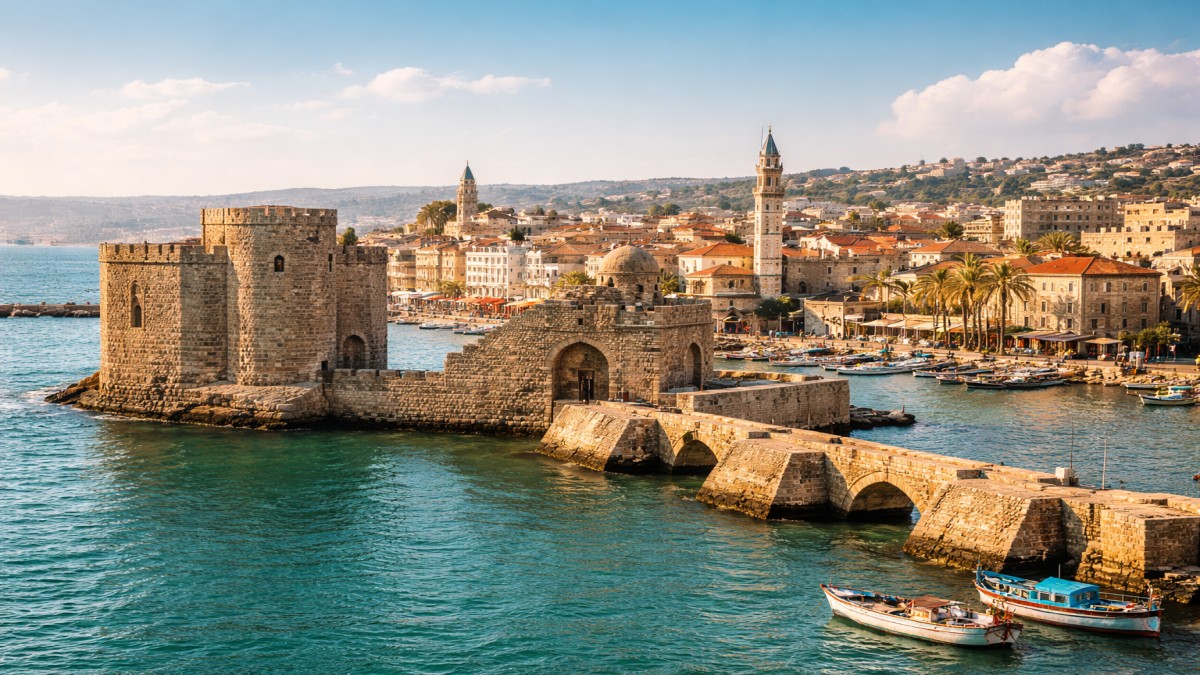
One of Sidon’s most iconic landmarks, the Sea Castle, was built by the Crusaders in the 13th century. Sitting dramatically on a small island, it looks like something straight out of a medieval movie.
Cultural Heritage of Saida Sidon
Old Souks and Traditional Markets
Walking through Sidon’s old souks feels like stepping back in time. Narrow alleys, spice-filled air, and friendly shopkeepers create a lively, authentic atmosphere.
Local Crafts and Traditions
Sidon is famous for traditional soap-making, handcrafts, and artisanal goods that reflect centuries-old practices.
Architecture and Landmarks
Sidon Sea Castle
This fortress is the city’s crown jewel. With sweeping sea views and rugged stone walls, it tells countless stories of battles, trade, and survival.
Soap Museum of Sidon
Housed in a restored Ottoman building, the Soap Museum highlights Sidon’s legacy in olive oil soap production—a tradition passed down through generations.
Modern Saida Sidon
Economy and Daily Life
Today, Saida Sidon blends history with modern living. Fishing, commerce, education, and tourism all contribute to the city’s economy.
Education and Urban Growth
Saida is home to schools, universities, and growing residential areas, making it a vibrant city for both locals and visitors.
Tourism in Saida Sidon
What to See and Do
From historical sites and museums to seaside cafés and markets, Sidon offers something for everyone.
Best Time to Visit
Spring and autumn are ideal, with mild weather perfect for exploring outdoor landmarks and coastal walks.
Food and Cuisine of Saida Sidon
Traditional Lebanese Dishes
Sidon’s cuisine is rich and flavorful. Fresh seafood, hummus, falafel, and traditional sweets like baklava and maamoul are must-tries.
Conclusion
Saida Sidon is more than just a city—it’s a living timeline of human civilization. From Phoenician sailors to modern-day residents, every generation has added a chapter to its story. If you’re looking for a place where history, culture, and daily life intertwine effortlessly, Saida Sidon delivers in every sense.
Frequently Asked Questions (FAQs)
1. Is Saida the same as Sidon?
Yes, Saida is the modern Arabic name for the ancient city of Sidon.
2. How old is Saida Sidon?
It is over 4,000 years old and considered one of the world’s oldest cities.
3. What is Sidon famous for?
Sidon is famous for Phoenician heritage, the Sea Castle, and traditional soap-making.
4. Is Saida Sidon safe for tourists?
Yes, it is generally safe, especially in tourist areas.
5. Can you visit Sidon in one day?
Yes, a day trip is enough to see major attractions, though longer stays offer deeper experiences.

Consultative Selling Techniques: A Complete Guide to Building Customer Trust in 2026

Sales Objection Handling: A Complete Guide to Closing More Deals in 2026

Customer Closing Techniques: A Complete Guide to Converting Prospects into Buyers (2026)

Customer Conversion Process: A Complete Guide to Turning Visitors into Loyal Customers (2026)

Sales Funnel Examples: A Complete Guide to Converting More Customers (2026)

Lead Qualification Framework: A Complete Guide to Finding High-Quality Customers (2026)

Website Credibility Factors: A Complete Guide to Building Trust Online (2026)

Online Reputation Monitoring: A Complete Guide to Protecting Your Brand in 2026

Customer Testimonial Strategy: A Complete Guide to Building Trust and Increasing Sales (2026)

Business Storytelling Framework: A Complete Guide to Building Strong Brand Connections (2026)
Consultative Selling Techniques: A Complete Guide to Building Customer Trust in 2026
Sales Objection Handling: A Complete Guide to Closing More Deals in 2026
Customer Closing Techniques: A Complete Guide to Converting Prospects into Buyers (2026)
Customer Conversion Process: A Complete Guide to Turning Visitors into Loyal Customers (2026)
Sales Funnel Examples: A Complete Guide to Converting More Customers (2026)
Lead Qualification Framework: A Complete Guide to Finding High-Quality Customers (2026)
Website Credibility Factors: A Complete Guide to Building Trust Online (2026)
Online Reputation Monitoring: A Complete Guide to Protecting Your Brand in 2026
Customer Testimonial Strategy: A Complete Guide to Building Trust and Increasing Sales (2026)
Business Storytelling Framework: A Complete Guide to Building Strong Brand Connections (2026)

 entertainment1 year ago
PYT Telegram: A Complete Guide to Understanding, Using, and Maximizing It

 entertainment1 year ago
OnionFlix: Everything You Need to Know About This Streaming Website
- education1 year ago
How to Become a Software Engineer: A Complete Guide
- others12 months ago
Nook vs Kindle: Which E-Reader Is Right for You?