food
Ananas Fruit Tree (Pineapple Plant): Complete Guide to Growing, Benefits, and Care

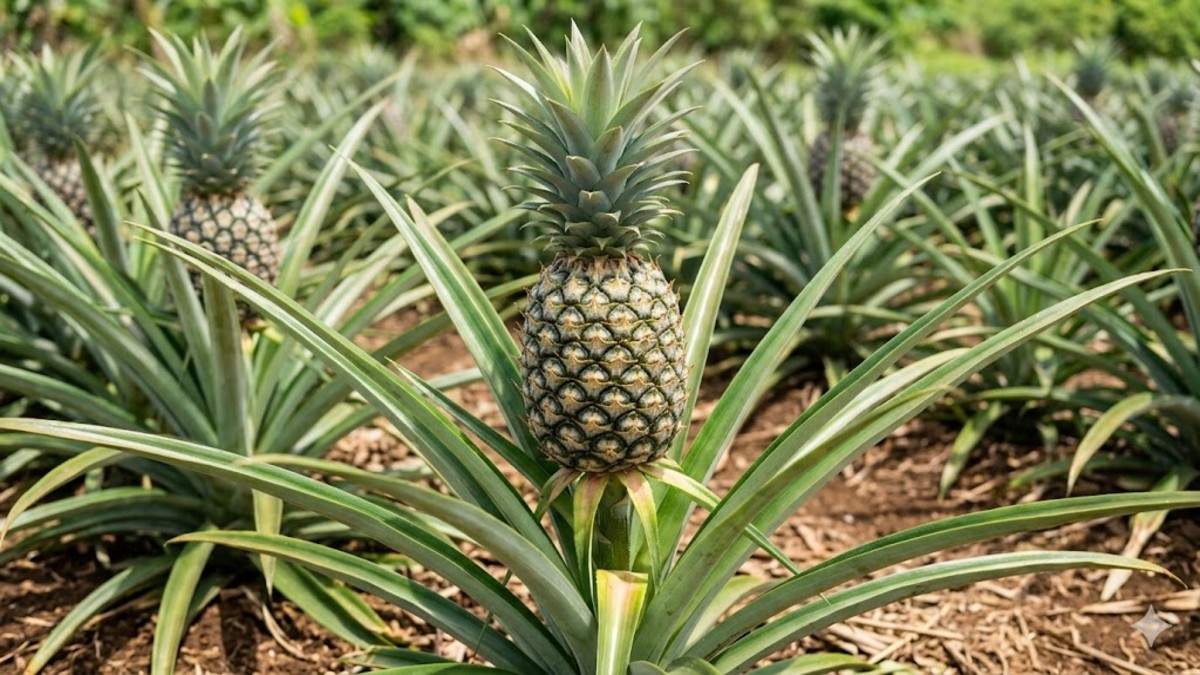
Introduction to the Ananas Fruit Tree
The Ananas fruit tree, commonly known as the pineapple plant, is one of the most fascinating tropical fruit plants in the world. Although people often refer to it as a tree, the pineapple actually grows on a herbaceous perennial plant, not a traditional tree. It belongs to the bromeliad family and produces the well-known sweet fruit loved worldwide.
The scientific name of pineapple is Ananas comosus, and it is widely cultivated in tropical and subtropical regions. The fruit is famous for its refreshing taste, high vitamin content, and versatility in cooking. Pineapple is eaten fresh, canned, juiced, or added to dishes ranging from desserts to savory meals.
Today, pineapple cultivation is an important agricultural activity in many countries, including Costa Rica, Brazil, India, Thailand, and China, which are among the major producers.
Understanding the ananas fruit plant, its growth cycle, and cultivation methods helps gardeners and farmers grow healthy plants and enjoy abundant harvests.
Scientific Classification of Ananas
Botanical Name and Family
The pineapple plant belongs to the botanical classification below:
| Category | Classification |
|---|---|
| Kingdom | Plantae |
| Family | Bromeliaceae |
| Genus | Ananas |
| Species | Ananas comosus |
Unlike typical fruit trees, pineapple plants grow as rosette-shaped herbaceous plants with long spiky leaves.
Origin and Natural Habitat
The origin of pineapple is believed to be tropical regions of South America, especially the Paraguay–Brazil region. From there, the fruit spread worldwide through explorers and traders.
During the 16th century, the Portuguese helped introduce pineapple cultivation to Africa, India, and other tropical countries. Over time, it became a major commercial fruit crop across the tropics.
Physical Characteristics of the Pineapple Plant
Leaves and Stem Structure
The pineapple plant typically grows 1 to 1.5 meters tall and has a short, thick central stem surrounded by stiff, narrow leaves.
Key plant features include:
- 30–40 long, spiny leaves
- Waxy, thick leaf surface to retain water
- A compact rosette arrangement around the stem
These leaves help the plant survive in hot tropical climates, where moisture conservation is important.
Flower Formation
After about 12–20 months of growth, the pineapple plant produces a flower spike. This spike contains 100 or more small purple flowers arranged spirally around the stalk.
Each flower eventually contributes to the formation of the pineapple fruit.
Fruit Development
The pineapple fruit is unique because it is actually a multiple fruit formed when many small flowers fuse together.
The fruit usually weighs 1–2 kg, depending on the variety and growing conditions.
Growing Conditions for Ananas Fruit Tree
Ideal Climate
Pineapple plants thrive in warm tropical climates. The ideal temperature range is between 22°C and 26°C, though they can tolerate slightly higher temperatures.
Favorable conditions include:
- High humidity
- Moderate rainfall
- Frost-free environment
Cold temperatures can slow growth and reduce fruit quality.
Soil Requirements
Pineapple plants prefer well-drained sandy or loamy soils with a slightly acidic pH of 5 to 6.
Poor drainage can cause root rot, which damages the plant and reduces yield.
Water and Sunlight Needs
Pineapples require:
- Full sunlight
- Moderate watering
- Good drainage
Although the plant is somewhat drought tolerant, consistent moisture improves fruit production.
Methods of Propagation
Pineapple plants are rarely grown from seeds. Instead, they are propagated through vegetative parts of the plant.
Growing from Crown
The crown is the leafy top of a pineapple fruit. Home gardeners often plant the crown in soil to grow a new plant.
Steps include:
- Remove the crown from the fruit.
- Let it dry for a few days.
- Plant it in well-drained soil.
This method can take over two years to produce fruit.
Conclusion
The ananas fruit tree, or pineapple plant, is a remarkable tropical crop valued for its sweet taste, nutritional benefits, and economic importance. Although often mistaken for a tree, pineapple grows as a compact herbaceous plant with unique flowering and fruit formation.
With proper climate, well-drained soil, and sufficient sunlight, pineapple plants can thrive both in farms and home gardens. Their relatively simple propagation methods make them accessible to beginners, while commercial cultivation continues to support global fruit markets.
Whether you grow it in your backyard or enjoy it in tropical dishes, the pineapple plant remains one of the most iconic and rewarding fruit crops in the world.
FAQs
1. Is the pineapple plant a tree?
No. Pineapple grows on a herbaceous perennial plant, not a tree.
2. What is the scientific name of pineapple?
The scientific name of pineapple is Ananas comosus.
3. How long does it take for a pineapple plant to produce fruit?
Most pineapple plants produce fruit in 15–22 months after planting.
4. Can pineapple grow in pots?
Yes. Pineapple plants grow well in containers or pots if they receive enough sunlight and drainage.
5. How many fruits does one pineapple plant produce?
Usually one fruit per plant, although side shoots can grow and produce additional fruits later.

Consultative Selling Techniques: A Complete Guide to Building Customer Trust in 2026

Sales Objection Handling: A Complete Guide to Closing More Deals in 2026

Customer Closing Techniques: A Complete Guide to Converting Prospects into Buyers (2026)

Customer Conversion Process: A Complete Guide to Turning Visitors into Loyal Customers (2026)

Sales Funnel Examples: A Complete Guide to Converting More Customers (2026)

Lead Qualification Framework: A Complete Guide to Finding High-Quality Customers (2026)

Website Credibility Factors: A Complete Guide to Building Trust Online (2026)

Online Reputation Monitoring: A Complete Guide to Protecting Your Brand in 2026

Customer Testimonial Strategy: A Complete Guide to Building Trust and Increasing Sales (2026)

Business Storytelling Framework: A Complete Guide to Building Strong Brand Connections (2026)
Consultative Selling Techniques: A Complete Guide to Building Customer Trust in 2026
Sales Objection Handling: A Complete Guide to Closing More Deals in 2026
Customer Closing Techniques: A Complete Guide to Converting Prospects into Buyers (2026)
Customer Conversion Process: A Complete Guide to Turning Visitors into Loyal Customers (2026)
Sales Funnel Examples: A Complete Guide to Converting More Customers (2026)
Lead Qualification Framework: A Complete Guide to Finding High-Quality Customers (2026)
Website Credibility Factors: A Complete Guide to Building Trust Online (2026)
Online Reputation Monitoring: A Complete Guide to Protecting Your Brand in 2026
Customer Testimonial Strategy: A Complete Guide to Building Trust and Increasing Sales (2026)
Business Storytelling Framework: A Complete Guide to Building Strong Brand Connections (2026)

 entertainment1 year ago
PYT Telegram: A Complete Guide to Understanding, Using, and Maximizing It

 entertainment1 year ago
OnionFlix: Everything You Need to Know About This Streaming Website
- education1 year ago
How to Become a Software Engineer: A Complete Guide
- others12 months ago
Nook vs Kindle: Which E-Reader Is Right for You?