lifestyle
Pagoda – A Spiritual Marvel in Architecture and Culture
Published
12 months agoon
By
Hamari Web
Table of Contents
ToggleIntroduction to Pagodas
Ever stood in front of a pagoda and felt a wave of calm sweep over you? That’s no accident. Pagodas are more than just architectural masterpieces—they’re spiritual symbols, cultural icons, and historical treasures that stretch across centuries and countries.
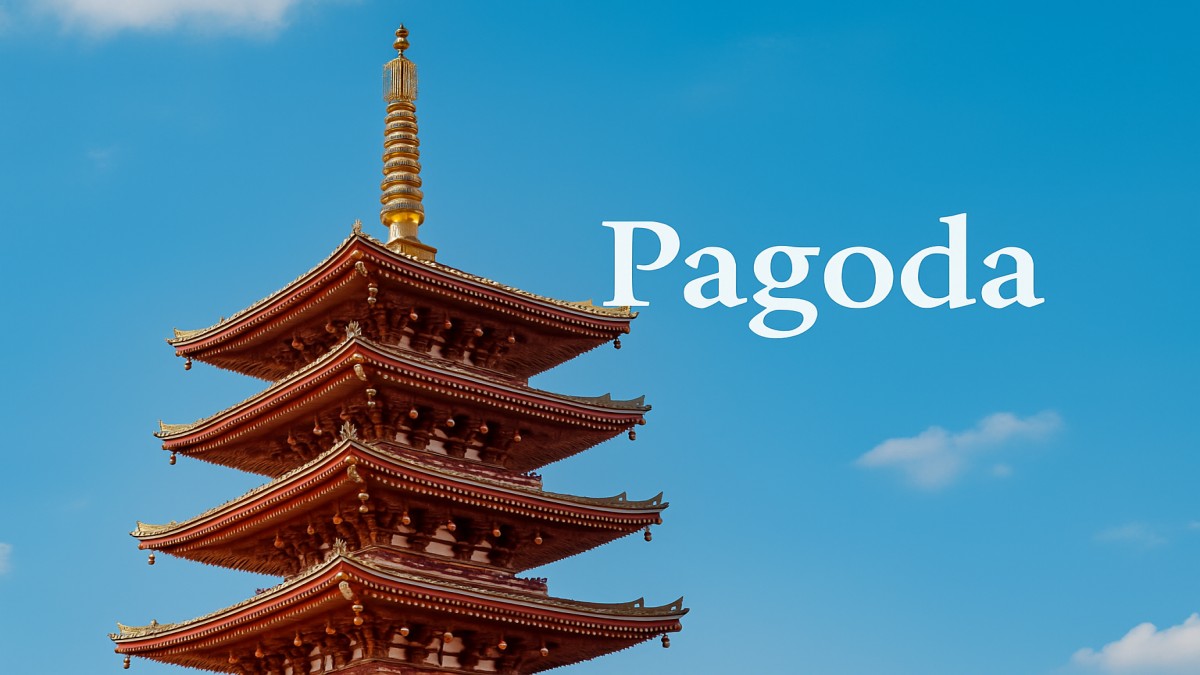
At its core, a pagoda is a tiered tower with multiple eaves, found mainly in Asia. It often serves religious purposes, especially within Buddhist and Taoist traditions. Each level tells a story, each angle holds a symbol, and the entire structure points toward the heavens.
Historical Background
Early Roots in India and Nepal
Pagodas trace their origins to ancient India and Nepal, where early stupas were built to enshrine relics of the Buddha. These dome-shaped structures were the spiritual blueprint that pagodas evolved from.
Evolution Across Asia
As Buddhism traveled east, the architecture adapted. Chinese and Japanese builders added their own flair resulting in the multi-tiered, upward-reaching towers we recognize today.
Influence of Buddhism and Hinduism
Buddhism played the central role in the spread of pagodas, while Hinduism also influenced design elements, especially in Southeast Asian regions like Cambodia and Thailand.
Architectural Features of Pagodas
Tiered Towers and Symbolism
Pagodas typically have an odd number of tiers—often five or seven—each symbolizing elements like earth, water, fire, air, and space. These aren’t just pretty roofs stacked up; they represent the spiritual journey from earth to enlightenment.
Common Materials and Construction Styles
Wood, stone, brick—depending on the region, materials vary. In China, wooden pagodas dominate. In Japan, you’ll find beautiful wooden craftsmanship, while brick and stone are more common in other parts of Asia.
Interior Design and Sacred Relics
The interiors are often sparse but sacred. Many pagodas house relics, scriptures, or images of the Buddha, making them important pilgrimage destinations.
Types of Pagodas
Chinese Pagodas
They tend to be tall, thin, and octagonal or square in shape. Iconic ones include the Giant Wild Goose Pagoda in Xi’an and the Iron Pagoda in Kaifeng.
Japanese Pagodas
These are often five-storied and found within Buddhist temple complexes. Each level gets progressively smaller as it ascends, enhancing the sense of upward movement.
Korean and Southeast Asian Pagodas
Korean pagodas are usually made of stone and have a more minimalist aesthetic. In contrast, Southeast Asian pagodas like Myanmar’s golden stupas dazzle with gilded surfaces and spiritual energy.
Symbolism Behind Pagodas
Representation of the Elements
Pagodas aren’t randomly designed. Each tier corresponds to a natural element, grounding the structure in balance and harmony.
Connection to Enlightenment and the Cosmos
The upward structure mimics spiritual elevation—from the material world to higher consciousness. It’s literally a staircase to the divine.
Famous Pagodas Around the World
Shwedagon Pagoda, Myanmar
This gold-plated beauty in Yangon is said to contain relics of four Buddhas and is a glowing beacon for Buddhists worldwide.
Toji Pagoda, Japan
Standing tall in Kyoto, Toji is the tallest wooden pagoda in Japan and a UNESCO World Heritage site.
Big Wild Goose Pagoda, China
Built in the Tang Dynasty, it was used to store scriptures and relics brought from India by the monk Xuanzang.
Religious and Spiritual Importance
Pagodas in Buddhist Practice
Pagodas serve as sacred sites for prayer, meditation, and storing relics. They’re designed to inspire reflection and devotion.
Role in Pilgrimage and Rituals
They’re key stops on many religious pilgrimages and often feature in festivals and rites, including full moon observances.
Pagodas as Tourist Attractions
Cultural Heritage Sites
Many pagodas are now protected landmarks. Their beauty and spiritual aura draw travelers seeking both culture and peace.
Popular Destinations for Spiritual Tourism
Places like Bagan in Myanmar and Luang Prabang in Laos are filled with pagodas, drawing visitors who crave both history and healing.
Conclusion
Pagodas are so much more than tall, pretty towers. They are bridges between earth and heaven, testaments to spiritual devotion, and masterpieces of cultural artistry. Whether you visit one to admire the design, reflect on life, or find a quiet moment, you’re stepping into a space where the divine meets the earthly. And that, honestly, is kind of magical.
FAQs
1. What’s the spiritual meaning of a pagoda?
A pagoda symbolizes the path to enlightenment, with each level representing a step toward spiritual awakening.
2. Are pagodas still used for worship today?
Yes, many are active religious sites where people pray, meditate, and honor Buddhist teachings.
3. What’s the difference between a stupa and a pagoda?
Stupas are solid mounds, while pagodas are tiered towers. Both hold relics and spiritual significance.
4. Can pagodas be visited by non-Buddhists?
Absolutely. Most are open to all visitors, regardless of faith, though respectful behavior is expected.
5. How are pagodas maintained today?
Governments, religious organizations, and UNESCO work together to preserve these ancient wonders through restoration and conservation.

How to Pay Employees in Your Small Business: Simple Steps That Get It Right

How to Do Market Research for Small Business: Simple Steps That Find Your Customers

How to Start a Tutoring Business: Simple Steps That Turn Your Knowledge Into Income

How to Create a Digital Product to Sell: A Simple Guide for Small Business Beginners

Christmas Marketing Ideas for Small Businesses: Simple Ways to Win Festive Customers

Benefit of Sole Proprietorship: Simple Advantages That Make Starting Easy

Grant Funding for Small Businesses: A Simple Guide to Finding and Winning Grants

Business Loans for New Business: A Simple Guide That Gets You Funded

Small Business Content Calendar: A Simple Guide That Keeps Your Posts on Track

How to Start a Freelance Business: Simple Steps That Turn Your Skills Into Income

How to Repurpose Blog Content for Social Media Without Starting From Scratch

How to Write a Simple Business Plan for Your Small Business: A Practical Guide That Gets You Started
How to Handle Customer Complaints in a Small Business: A Calm, Practical Guide That Turns Problems Into Loyalty

How to Create a Small Business Content Marketing Plan That Actually Gets Results

How to Create a Content Calendar for a Small Business

How to Write a Professional Business Email That Gets a Reply

How to Set SMART Goals for a Small Business: A Practical Guide That Actually Works

How to Set Up a Simple Referral Program for Your Small Business: A Beginner’s Guide That Brings in New Customers

How to Write a Business Proposal for Your Small Business: A Simple Guide That Wins Clients

How to Get More Clients for Your Business: Simple Ways That Actually Work

How to Pay Employees in Your Small Business: Simple Steps That Get It Right

How to Do Market Research for Small Business: Simple Steps That Find Your Customers

How to Start a Tutoring Business: Simple Steps That Turn Your Knowledge Into Income

How to Create a Digital Product to Sell: A Simple Guide for Small Business Beginners

Christmas Marketing Ideas for Small Businesses: Simple Ways to Win Festive Customers

Benefit of Sole Proprietorship: Simple Advantages That Make Starting Easy

Grant Funding for Small Businesses: A Simple Guide to Finding and Winning Grants

Business Loans for New Business: A Simple Guide That Gets You Funded

Small Business Content Calendar: A Simple Guide That Keeps Your Posts on Track

How to Start a Freelance Business: Simple Steps That Turn Your Skills Into Income
Trending
entertainment1 year agoPYT Telegram: A Complete Guide to Understanding, Using, and Maximizing It
entertainment1 year agoOnionFlix: Everything You Need to Know About This Streaming Website
education1 year agoHow to Become a Software Engineer: A Complete Guide
others1 year agoNook vs Kindle: Which E-Reader Is Right for You?