
Productivity
How to Prioritize Work Tasks: Simple Methods That Help You Get the Right Things Done


Some days feel like everything is due at once: the inbox is full, three projects need attention, and a colleague has just added one more “quick” favour. On days like that, working harder is not the answer — working in the right order is. Learning how to prioritize work tasks is one of the most useful skills in any job, because it turns a stressful pile of work into a clear list with a clear first step.
Prioritizing is not about doing everything. It is about deciding, honestly, what matters most right now — and giving that your best energy before the smaller things take it. The six methods below are simple enough to start today, and they work whether you manage a team or just your own to-do list.
1. Write Everything Down First
You cannot prioritize what is still floating in your head. Start each day by writing down every task you need to do — all of it, on one list. Getting it out of your head and onto paper (or a simple app) does two things: it stops you worrying that you have forgotten something, and it lets you see the whole workload at once. Only then can you judge which tasks are truly important and which only feel urgent because they are noisy. A list you can see is a list you can sort.
2. Sort by Urgent and Important
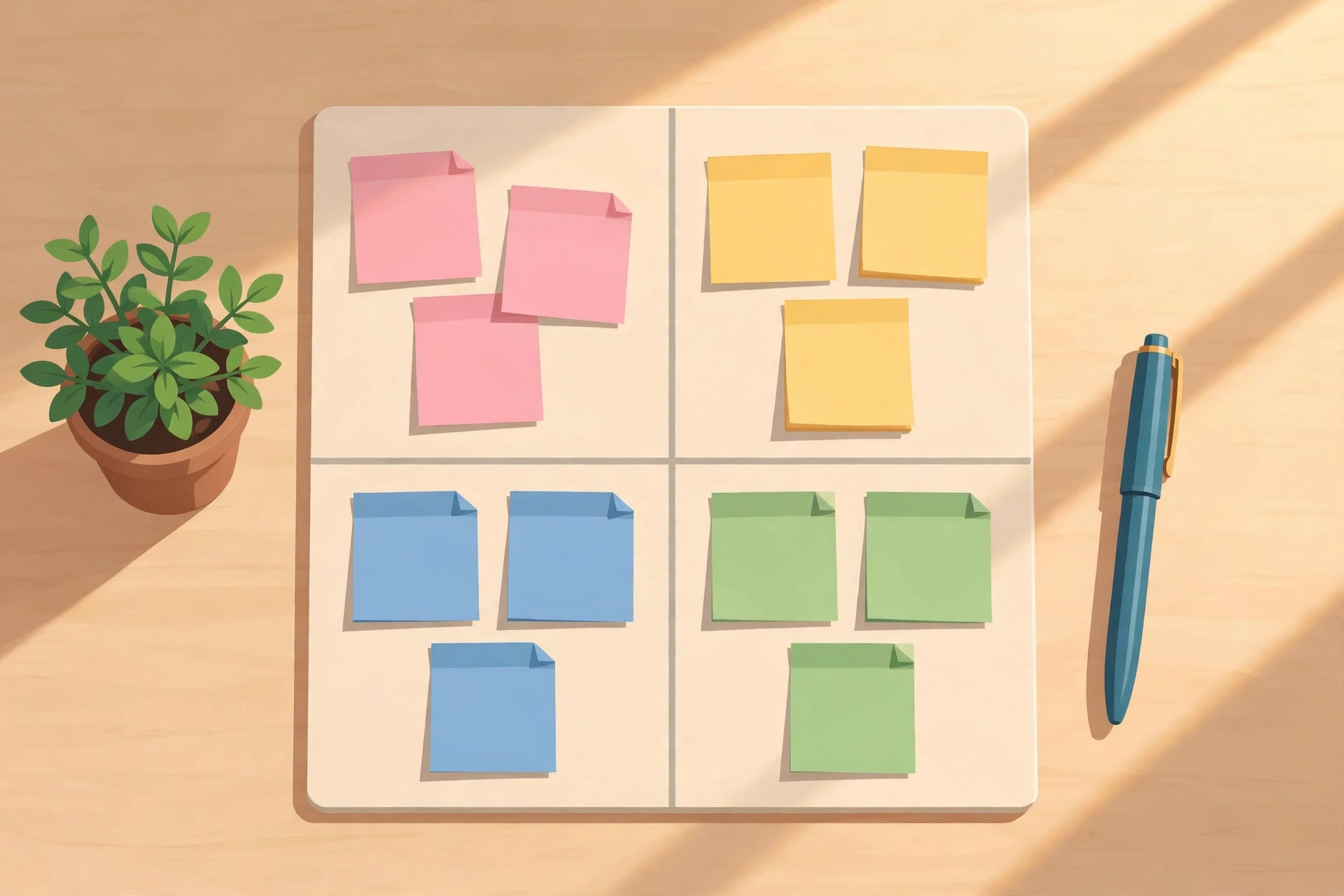
One of the simplest task prioritization methods is the urgent-important test. Ask two questions about each task: does it need doing soon, and does it matter much if it is done well? Tasks that are both urgent and important go first. Tasks that are important but not urgent — planning, learning, building relationships — get a scheduled slot, because if you never schedule them, they become urgent later. Tasks that are urgent but not important can often be passed to someone else. And tasks that are neither urgent nor important? Cross them off. They were never really work at all.
3. Pick Your Top Three for the Day
A list of twenty tasks is not a plan — it is a source of stress. Each morning, choose just three tasks that would make the day a success if you finished them. Put them at the top of your list and start with the hardest one while your energy is fresh. Everything else is a bonus. This “top three” habit keeps you focused on progress instead of busyness, and it means you end most days having done the things that actually moved your work forward.
4. Give Every Task a Real Deadline
Work without a deadline drifts. A task marked “soon” will always lose to a task marked “today at 3pm.” So give every important task a real date and time — even if you set it yourself. Write it in your calendar, not just on a list, and treat it like an appointment you cannot miss. If a deadline comes from someone else, ask what “urgent” really means: “by Friday” is a plan, “as soon as possible” is a guess. Clear deadlines make prioritizing easy, because the order almost writes itself. For a fuller system for planning your working day, read our guide on time management for small business owners.
5. Do the Hardest Task First
Most people start with the easy tasks because finishing them feels good — but then the hard task is still waiting at 4pm, when energy is lowest. Try the opposite: do the hardest, most important task first, before email and meetings take over. It is often called “eating the frog,” and it works because the rest of the day feels lighter once the big thing is done. If the big task feels too large, break off just the first piece of it and start there; beginning is usually the hardest part.
6. Review and Re-sort at the End of the Day
Priorities change. A client calls, a deadline moves, something breaks — and yesterday’s order is suddenly wrong. That is normal. Spend five minutes at the end of each day moving unfinished tasks to tomorrow’s list and re-sorting them with fresh eyes. This short review stops old tasks from going stale, keeps your list honest, and means you start tomorrow with a plan instead of a panic. Over a few weeks, this habit alone makes your days noticeably calmer.
What to Do When Everything Feels Urgent
Some days, every task claims to be urgent. If you are wondering how to prioritize multiple tasks that all feel equally pressing, stop and ask three questions: What happens if this waits until tomorrow? Who is actually waiting for it? And am I the only person who can do it? Often, one or two “urgent” tasks turn out to be things that can wait, things someone else is not actually waiting for, or things you can hand over. The tasks that survive those three questions are your real priorities — do those first, and let the rest wait in line.
Frequently Asked Questions
What is the best way to prioritize work tasks?
Start by writing all your tasks down, then sort them by urgent and important. Pick your top three for the day and do the hardest one first.
How do I prioritize when everything is urgent?
Ask what happens if each task waits until tomorrow. The tasks with real consequences for waiting are your true priorities; the rest can be rescheduled or handed over.
Should I do easy tasks first or hard tasks first?
Do the hardest important task first, while your energy is fresh. Easy tasks feel productive, but they leave the hard work waiting until you are tired.
How many tasks should I prioritize each day?
Three. A top-three list keeps you focused on what matters, while a list of twenty only creates stress.
What if my priorities change during the day?
That is normal. Re-sort your list when things change, and spend five minutes at the end of the day moving unfinished tasks to tomorrow with fresh priorities.
Final Thoughts
Prioritizing is not about squeezing more work into the day — it is about making sure the right work gets done first. Write everything down, sort by urgent and important, pick your top three, and do the hardest one first. Those four habits alone will change how your days feel. Start tomorrow morning with a blank list and three honest choices, and see how much calmer the day becomes.

How to Promote Your Blog Posts: Simple Ways That Actually Work

How to Keep Customers Coming Back: Simple Ways That Actually Work

How to Handle Difficult Customers: Simple Ways That Keep Your Business Calm and Professional

How to Ask Customers for Reviews: Simple Ways That Actually Work

How to Save Money on a Tight Budget: Simple Ways That Actually Work

How to Set Boundaries at Work: Simple Ways to Protect Your Time and Energy

How to Stop Overthinking Before Bed: Simple Ways to Quiet Your Mind and Sleep Better

How to Prioritize Work Tasks: Simple Methods That Help You Get the Right Things Done

How to Stay Focused at Work: Simple Habits That Help You Get More Done

Punch Card Loyalty Program for Small Business: A Simple Guide That Brings Customers Back

How to Repurpose Blog Content for Social Media Without Starting From Scratch

How to Write a Professional Business Email That Gets a Reply

How to Set SMART Goals for a Small Business: A Practical Guide That Actually Works

How to Create a Content Calendar for a Small Business
How to Handle Customer Complaints in a Small Business: A Calm, Practical Guide That Turns Problems Into Loyalty
How to Create a Small Business Content Marketing Plan That Actually Gets Results

How to Price Your Services as a Small Business: A Simple Guide That Protects Your Profit

How to Write a Simple Business Plan for Your Small Business: A Practical Guide That Gets You Started
How to Set Up a Simple Referral Program for Your Small Business: A Beginner’s Guide That Brings in New Customers
How to Track Small Business Expenses: A Simple System That Keeps Your Money in Order
How to Promote Your Blog Posts: Simple Ways That Actually Work
How to Keep Customers Coming Back: Simple Ways That Actually Work
How to Handle Difficult Customers: Simple Ways That Keep Your Business Calm and Professional
How to Ask Customers for Reviews: Simple Ways That Actually Work
How to Save Money on a Tight Budget: Simple Ways That Actually Work
How to Set Boundaries at Work: Simple Ways to Protect Your Time and Energy
How to Stop Overthinking Before Bed: Simple Ways to Quiet Your Mind and Sleep Better
How to Prioritize Work Tasks: Simple Methods That Help You Get the Right Things Done
How to Stay Focused at Work: Simple Habits That Help You Get More Done
Punch Card Loyalty Program for Small Business: A Simple Guide That Brings Customers Back

 entertainment1 year ago
PYT Telegram: A Complete Guide to Understanding, Using, and Maximizing It

 entertainment1 year ago
OnionFlix: Everything You Need to Know About This Streaming Website
- education1 year ago
How to Become a Software Engineer: A Complete Guide
- others1 year ago
Nook vs Kindle: Which E-Reader Is Right for You?





