
business
How to Start a Dog Walking Business: Simple Steps That Turn Walks Into Income

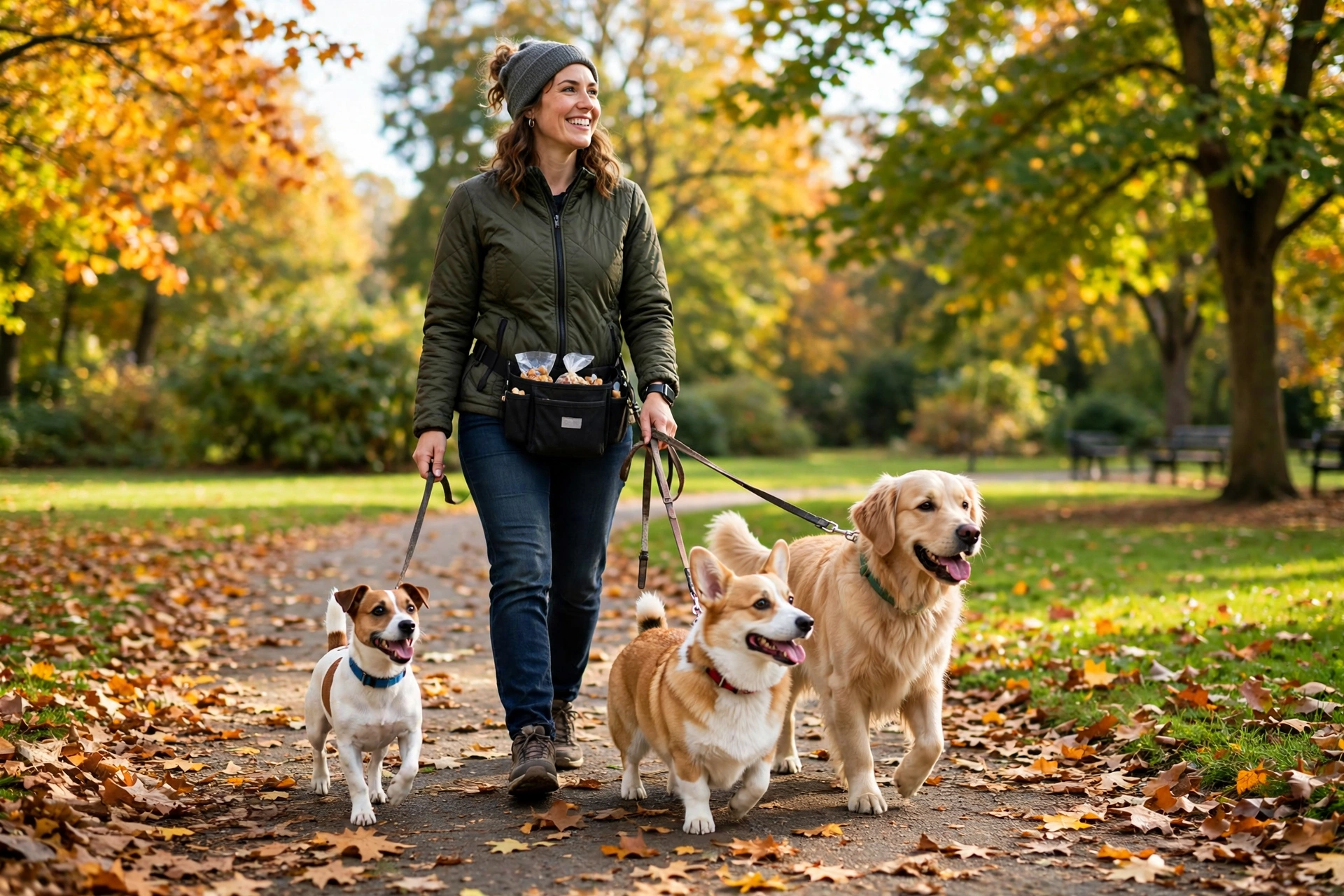
If you love dogs and enjoy being outdoors, learning how to start a dog walking business is one of the simplest ways to turn that into a steady income. You do not need a shop, a big loan, or years of experience. You need a clear plan, a few happy clients, and the habit of showing up on time, every time.
This guide walks you through the whole setup, step by step, in plain language. By the end, you will know what to prepare, what to charge, and how to find your first regular walkers.
Is Dog Walking a Good Business to Start?
Yes, for the right person it is. Dog owners are busy, and many of them need help during the workday. A reliable walker who treats their dog well is worth paying for, and most owners stick with someone they trust.
The costs are low. You need comfortable shoes, weather-proof clothing, strong leashes, treats, waste bags, and a phone. There is no rent and no stock to buy. You can start with one or two dogs and grow slowly, adding more walks as your name spreads.
It is also honest, physical work. You will be outside in all weather, so it suits people who like moving around more than sitting at a desk. If that sounds like you, keep reading.
What You Need Before Your First Walk
Before you take a paying client, get the basics in place. You should be comfortable handling dogs of different sizes and temperaments, and you should know the simple rules of the road and the park: keep dogs on a lead near traffic, clean up after them, and never let a dog off the lead unless the owner has agreed.
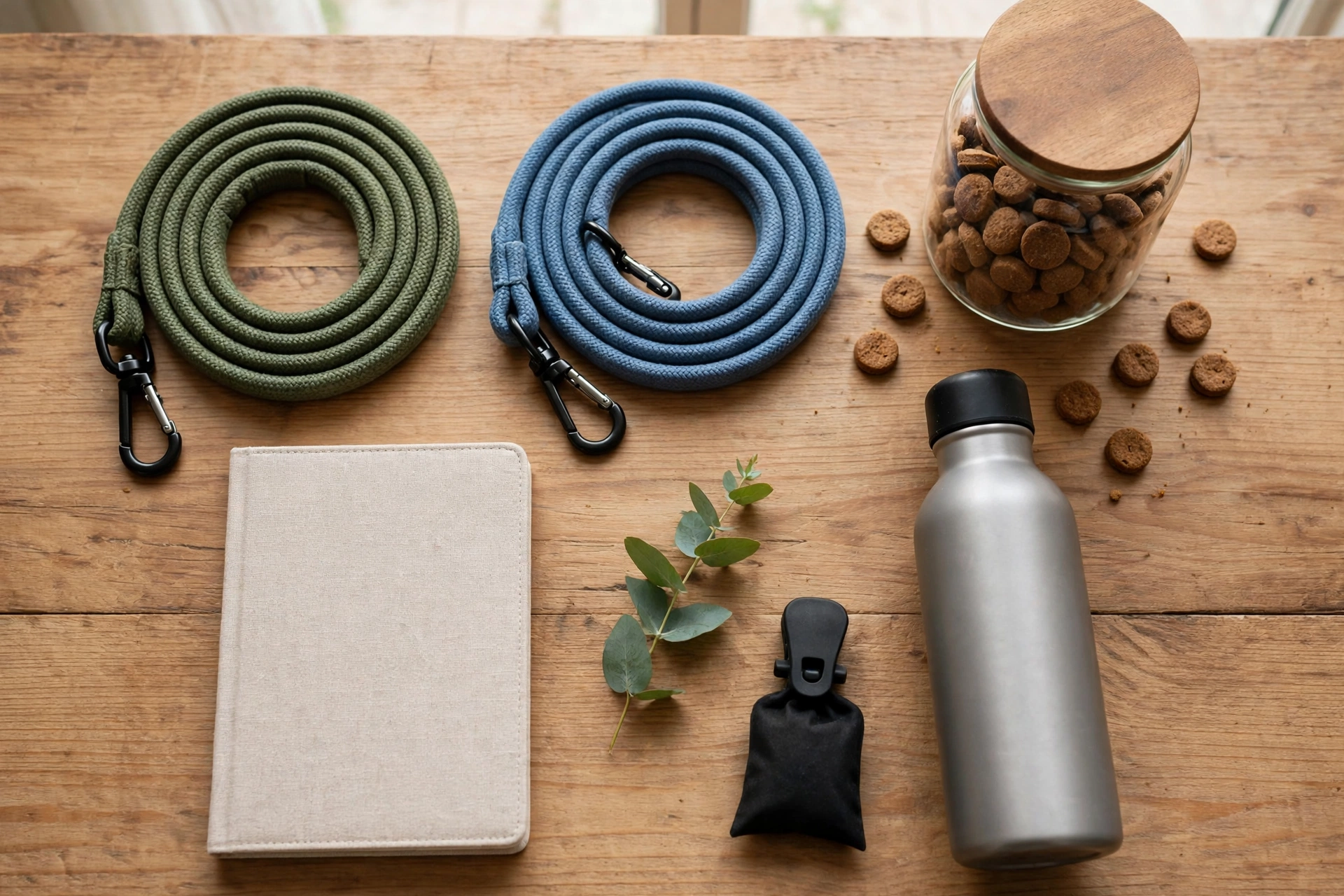
Put together a small kit. You will want two or three strong leashes, a treat pouch, a water bottle and a collapsible bowl, waste bags, and a notebook or phone app to record each walk. A first-aid kit for dogs is a smart extra, and a spare lead in your bag can save the day.
It also helps to learn basic dog body language. A wagging tail does not always mean a friendly dog, and a stiff, staring dog needs space. A short online course in dog behaviour is cheap and makes you look professional from day one.
Write a Simple Dog Walking Business Plan
Every new business does better with a plan, even a one-page one. A dog walking business plan does not need to be fancy. It just needs to answer a few simple questions: who will you walk for, where will you work, what will you charge, and how will people find you?
Start with your area. Pick two or three neighbourhoods close to home so you spend less time travelling and more time walking. Then decide your services. Will you offer group walks, solo walks, puppy visits, or weekend walks? Keep the list short at first. You can add more later.
Write down your costs and your target income. A simple plan like this keeps you honest about the numbers, and it gives you something to check back on each month. If you want a fuller template, read our guide on how to write a simple business plan — the same steps work for a dog walking business, just on a smaller scale.
Pick a Name People Remember
Good dog walking business names are short, friendly, and easy to say out loud. Owners will recommend you by name, so it should be simple enough to remember after one hearing. Think of names that mention dogs, walks, or your local area, and say them out loud before you decide.
Check that the name is free before you use it. Search it online, check social media handles, and make sure no other walker in your area is already using it. A name that is already taken will only cause confusion later.
Once you have picked one, use it everywhere: on your flyers, your social media page, and your booking messages. A clear, consistent name builds trust faster than a clever one people cannot spell.
Set Your Dog Walking Rates Per Hour
Pricing is the question every new walker worries about. Dog walking rates per hour vary by area, so look at what other walkers near you charge before you set your own. Group walks usually cost less per dog than solo walks, because you can walk several dogs at once. Solo walks, puppy visits, and weekend walks can be priced higher.
Start with a simple rate card. For example, one price for a 30-minute group walk, one for a 60-minute group walk, and one for a solo walk. Keep it to three or four options at most. A short, clear price list is easier for owners to understand than a long menu.
Do not undercharge to win work. A price that is too low leaves you tired and underpaid, and raising it later is harder than starting fairly. Charge enough to cover your time, your travel, and your costs, and let your reliability earn you the work.
Add Pet Sitting to Earn More
Once your walks are steady, pet sitting is a natural next step. Learning how to start a pet sitting business alongside your walks lets you earn from the same customers, because the owners who trust you with their dog’s walk will often trust you with their home too.
Pet sitting usually means visiting a home while the owner is away, feeding the pet, letting it out, and spending a little time with it. It fits well around walks, especially in the evenings and at weekends. Start by offering it to your existing walking clients first, so you build the service with people who already know you.
Keep the two services separate in your pricing and your bookings. A pet sitting visit is not the same as a walk, and owners should be able to see the difference clearly.
Find Your First Clients
Your first clients will usually come from people you already know. Tell friends, family, and neighbours that you are starting, and ask them to pass the word on. A short post in a local community group, with a friendly photo and your walking area, often brings the first few enquiries.
Local noticeboards, vets, pet shops, and groomers are also worth a visit. Leave a simple flyer with your name, your area, and your phone number. A small offer for the first walk, such as a free meet-and-greet walk, helps nervous owners try you out with no risk.
When someone books, be brilliant at the basics. Arrive on time, send a short update and a photo after the walk, and keep the owner informed. Most dog walking work grows by word of mouth, and one happy owner can send you three more.
Keep Your Costs Low With a Simple Budget
A dog walking business is cheap to run, but the small costs add up: fuel or bus fares, treats, waste bags, phone bills, and replacing worn leashes. That is why it pays to learn how to create a budget for a small business before the money starts coming in.
Write down what you expect to earn each month and what you expect to spend, then check the real numbers against your plan. A simple spreadsheet is enough. It shows you quickly whether a new expense is worth it, and it stops small leaks from quietly eating your profit.
Set aside a little money each month for the slow weeks. Dog walking can dip in bad weather or holiday seasons, and a small buffer keeps you calm when bookings go quiet for a while.
Keep Customers Coming Back
Getting a client is only half the job. The real income in dog walking comes from regulars who book week after week. The best way to learn how to keep customers coming back is to be the walker owners never have to worry about: on time, honest, and kind to their dog.
Small touches make a big difference. A photo after each walk, a note about what the dog enjoyed, and a quick reply to messages all tell the owner their dog matters to you. Remember each dog’s quirks — the one who loves puddles, the one who is nervous around bikes — and owners will notice.
Ask for feedback now and then, and act on it. If an owner mentions a preferred route or a feeding time, write it down and follow it. Owners stay with walkers who listen.
Frequently Asked Questions
Do I need experience to start a dog walking business?
You need to be confident around dogs, but you do not need a formal qualification. Experience with your own dog, volunteering at a shelter, or a short dog behaviour course all count. Start with friendly, easy dogs and build up to more challenging ones.
What are typical dog walking rates per hour?
Rates depend on your area, so check what local walkers charge first. As a guide, group walks cost less per dog than solo walks, and puppy visits and weekend walks are usually priced higher. Keep your price list short and clear.
Can I run a dog walking business part-time?
Yes. Many walkers start with lunchtime walks around another job, then grow to full-time when bookings are steady. Midday walks are the most in demand, so even a few hours a day can build a real income.
Should I offer pet sitting as well?
It is a good add-on once your walks are running well. Pet sitting uses the same trust and the same customers, and it fills evenings and weekends. Start with your existing clients and keep the pricing separate from walks.
What should go in my dog walking business plan?
Keep it to one page: your area, your services, your prices, your costs, and how you will find clients. Review it every month and update it as you learn what works.
Final Thoughts
Learning how to start a dog walking business is simple, but it rewards people who take it seriously. A clear plan, a fair price, a name people remember, and walks that owners can rely on are the whole recipe. Add pet sitting when you are ready, keep your costs in check, and look after every dog as if it were your own.
Your first client is closer than you think. Pick your area, write your one-page plan, and tell your neighbours you are open for walks. The dogs are waiting.

How to Start a Lawn Mowing Business: Simple Steps That Turn Mowing Into Income

How to Start a Dog Walking Business: Simple Steps That Turn Walks Into Income

How to Start a House Cleaning Business: Simple Steps That Win Your First Clients

How to Pay Employees in Your Small Business: Simple Steps That Get It Right

How to Do Market Research for Small Business: Simple Steps That Find Your Customers

How to Start a Tutoring Business: Simple Steps That Turn Your Knowledge Into Income

How to Create a Digital Product to Sell: A Simple Guide for Small Business Beginners

Christmas Marketing Ideas for Small Businesses: Simple Ways to Win Festive Customers

Benefit of Sole Proprietorship: Simple Advantages That Make Starting Easy

Grant Funding for Small Businesses: A Simple Guide to Finding and Winning Grants

How to Repurpose Blog Content for Social Media Without Starting From Scratch

How to Write a Simple Business Plan for Your Small Business: A Practical Guide That Gets You Started

How to Create a Small Business Content Marketing Plan That Actually Gets Results
How to Handle Customer Complaints in a Small Business: A Calm, Practical Guide That Turns Problems Into Loyalty

How to Write a Professional Business Email That Gets a Reply
How to Create a Content Calendar for a Small Business

How to Get More Clients for Your Business: Simple Ways That Actually Work

How to Set SMART Goals for a Small Business: A Practical Guide That Actually Works
How to Set Up a Simple Referral Program for Your Small Business: A Beginner’s Guide That Brings in New Customers
How to Write a Business Proposal for Your Small Business: A Simple Guide That Wins Clients
How to Start a Lawn Mowing Business: Simple Steps That Turn Mowing Into Income
How to Start a Dog Walking Business: Simple Steps That Turn Walks Into Income
How to Start a House Cleaning Business: Simple Steps That Win Your First Clients
How to Pay Employees in Your Small Business: Simple Steps That Get It Right
How to Do Market Research for Small Business: Simple Steps That Find Your Customers
How to Start a Tutoring Business: Simple Steps That Turn Your Knowledge Into Income
How to Create a Digital Product to Sell: A Simple Guide for Small Business Beginners
Christmas Marketing Ideas for Small Businesses: Simple Ways to Win Festive Customers
Benefit of Sole Proprietorship: Simple Advantages That Make Starting Easy
Grant Funding for Small Businesses: A Simple Guide to Finding and Winning Grants

 entertainment1 year ago
PYT Telegram: A Complete Guide to Understanding, Using, and Maximizing It

 entertainment1 year ago
OnionFlix: Everything You Need to Know About This Streaming Website
- education1 year ago
How to Become a Software Engineer: A Complete Guide
- others1 year ago
Nook vs Kindle: Which E-Reader Is Right for You?





