
business
How to Start a Lawn Mowing Business: Simple Steps That Turn Mowing Into Income

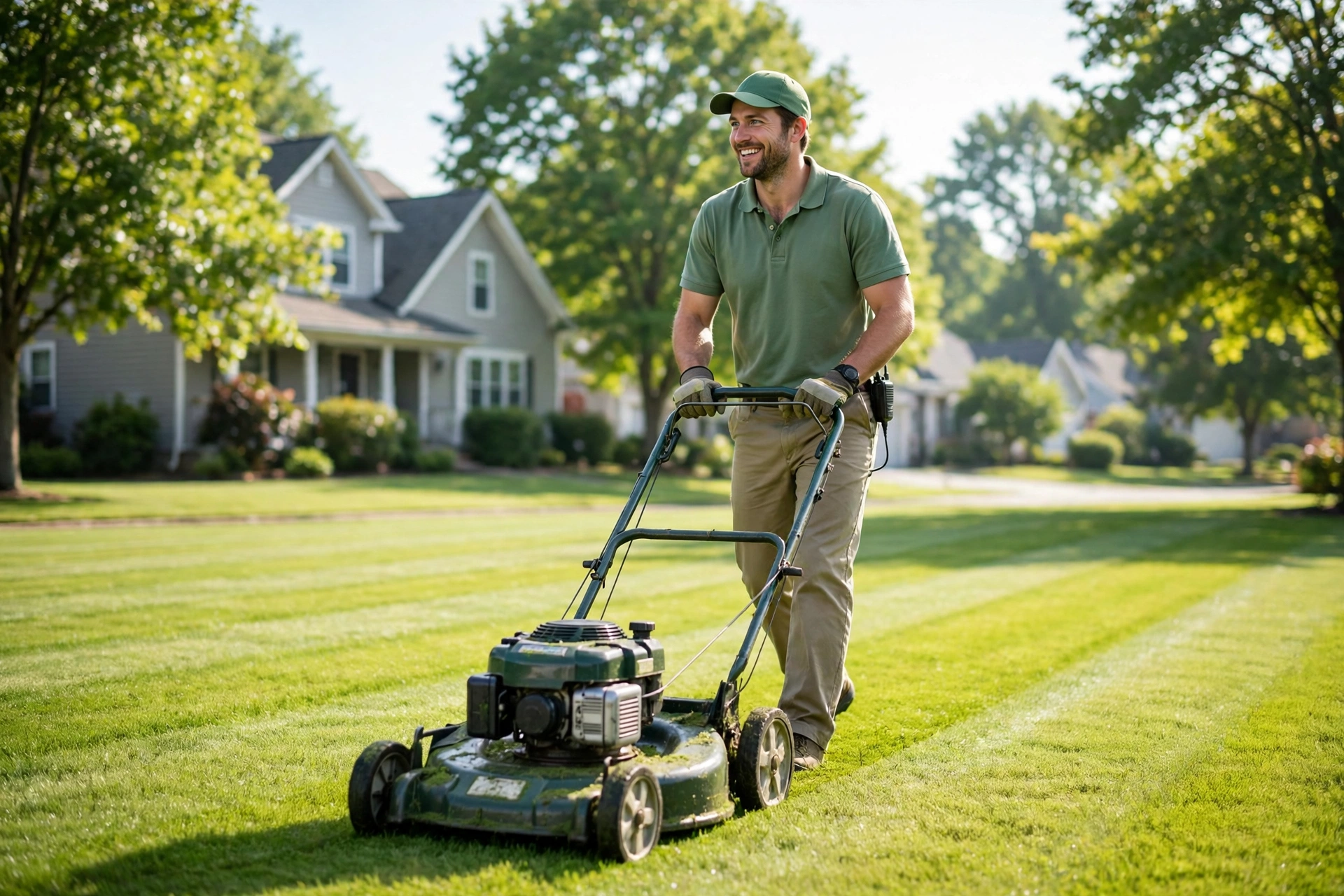
If you enjoy working outdoors and want a business you can start with basic equipment, learning how to start a lawn mowing business is one of the simplest ways to earn regular income. Lawns grow every week in the warmer months, and busy homeowners are happy to pay someone reliable to keep them tidy. You do not need a shop, a big loan, or years of experience — just a mower, a plan, and a steady routine.
This guide walks you through the whole setup, from your first mower to your first paying customers, in plain steps you can follow this week.
1. Decide What Kind of Mowing Business You Want
Before you buy anything, decide how big you want this to be. Some people mow a few lawns at weekends for extra income. Others build a full-time round of weekly customers. Both are fine, but the choice shapes everything else — your equipment, your prices, and how much time you spend on the job.
Think about your area too. A neighbourhood full of family homes with medium-sized gardens is ideal. Flats with shared gardens are harder, because one decision-maker controls the whole block. Drive around your streets and notice which lawns look neglected — those homes are your first leads.
A simple written plan helps here. A short lawn care business plan does not need to be long: who your customers are, what you will charge, what equipment you need, and how you will find work. Writing it down keeps you focused when the first busy week arrives.
2. Build Your Lawn Care Services List
Customers like to know exactly what they are paying for, so put together a clear lawn care services list before you take your first booking. A simple list might include:
- Regular mowing (weekly or fortnightly)
- Edging along paths and driveways
- Strimming around trees, fences, and flower beds
- Clearing grass clippings and leaves
- Hedge trimming as an add-on service
- Seasonal tidy-ups in spring and autumn
Start with mowing and edging, and add extras only when you are confident. A short, honest list beats a long one you cannot deliver. As you gain experience, you can add new lawn care business ideas to your list — like fertilising, scarifying, or lawn repair — and charge more for them.
3. Get the Equipment You Need
You do not need the most expensive kit to begin. For a small round of local lawns, a reliable petrol or battery mower, a strimmer, a leaf blower, and basic safety gear will cover most jobs. Buy good quality where it matters — a mower that starts first time saves you more money than a cheap one that breaks down mid-round.
Keep your tools clean and sharp. A blunt blade tears grass instead of cutting it, and customers notice the difference. Fuel, oil, spare blades, and string for the trimmer are small running costs, so track them from day one.
If you already own a mower, you can start almost for free. Many people begin with the mower from their own garden and upgrade once the money starts coming in.
4. Work Out Your Prices
Fair, simple lawn care pricing is one of the most important parts of the business. Charge by the job, not by the hour, so customers know the cost before you start. Look at what others charge in your area, then price your work based on the size of the lawn and how long it takes.
A small front garden might take 20 minutes, while a large back garden with slopes and trees can take an hour. Visit each new garden before you quote, so there are no surprises. Write your prices down and stick to them — changing them job by job confuses customers and eats into your profit.
Remember to allow for fuel, travel time, and wear on your equipment. A price that looks good but leaves you nothing after costs is not a good price. Review your prices once a season and adjust them if your costs rise.
5. Pick a Business Name People Remember
Your name is on every flyer, invoice, and van sign, so choose something simple. Good lawn care business names are short, local, and easy to say on the phone. Something like “Green Cut Lawns” or “Sunny Gardens Mowing” works better than a long clever name nobody can spell.
Check that the name is not already used by another local business, and that you can get a matching social media page or simple website. A clear name builds trust, and trust is what turns a one-off job into a weekly booking.
6. Sort the Practical Steps
Before your first paid job, take care of the basics. Register your business properly, keep records of every payment and expense, and think about public liability insurance — it protects you if a stone from your mower damages a car window or a garden ornament.
If you plan to hire help later, read about how to create a budget for a small business so you know what you can afford. Even as a one-person business, a simple budget stops small costs from quietly eating your profit. Set aside money for tax from every payment you receive, so there is no shock at the end of the year.
7. How to Get Lawn Care Customers
Knowing how to get lawn care customers is the skill that decides whether your business grows or stalls. Start close to home:
- Knock on doors on streets where lawns look overgrown, and leave a simple flyer with your price and phone number.
- Ask friends, family, and neighbours to spread the word — a personal recommendation is worth more than any advert.
- Post before-and-after photos of your work on local social media groups.
- Leave a neat flyer in local shops, cafés, and notice boards.
- Offer the first mow at a fair introductory price, and let the quality of your work do the talking.
Many people who research how to start a lawn care business worry most about finding customers, but a small local round grows faster than you expect. One happy customer tells a neighbour, and that neighbour tells another. In a few months, a street can become five or six regular jobs in one trip.

8. Do Great Work and Keep Customers Coming Back
The real money in mowing is in repeat customers, not one-off jobs. A customer who books you every week for a whole season is worth far more than ten single visits. That is why the way you work matters as much as the price you charge.
Turn up when you say you will. Leave the garden tidy — edges trimmed, paths swept, clippings cleared. Send a short message if rain forces you to move a visit. Small habits like these are the heart of how to keep customers coming back season after season, and they cost you nothing.
If a customer mentions a problem — a patchy area, a weed problem, or a hedge that needs cutting — note it down and offer a solution. Customers stay loyal to people who notice things and fix them without being asked. For more simple ideas that work for a small local round, see our guide on how to keep customers coming back.
9. Grow Slowly and Steadily
Once your round is full, resist the urge to grow too fast. It is better to serve 30 lawns well than 60 lawns badly. When you do grow, add one new street at a time, and only take on extra work when you can do it properly.
In time, you may add services, hire a helper, or invest in a ride-on mower for larger gardens. Each step should pay for itself before you take the next one. That is the steady way to turn a weekend mowing job into a proper business.
FAQs
How much money do I need to start a lawn mowing business?
If you already own a mower, you can start with very little — just fuel, a strimmer, and some flyers. If you need to buy everything new, a basic setup is still one of the cheapest businesses to start.
Do I need experience to start a lawn mowing business?
No formal experience is needed. If you can mow a lawn neatly and turn up on time, you can learn the rest as you go. Watching how neat the edges look and how tidy you leave the garden matters more than any qualification.
How do I price a lawn mowing job?
Visit the garden first, then charge by the job based on its size and how long it will take. Check what other local mowers charge, keep your prices simple, and review them once a season.
Is a lawn mowing business profitable?
Yes, it can be, because the work repeats every week and the running costs are low. Profit grows as your round fills up, because you spend less time travelling between nearby jobs.
What is the best way to find my first customers?
Start with your own street and the streets nearby. Knock on doors, leave flyers, and ask people you know to recommend you. Good work and word of mouth bring most new customers in this trade.
Conclusion
Figuring out how to start a lawn mowing business is simpler than most people expect: choose your area, build a short list of services, get reliable equipment, set fair prices, pick a clear name, and find your first customers close to home. Do the work well, turn up on time, and leave every garden tidy — and those first few lawns can grow into a steady weekly round that pays you all season long. The lawns are waiting; the only step left is the first one.

How to Start a Lawn Mowing Business: Simple Steps That Turn Mowing Into Income

How to Start a Dog Walking Business: Simple Steps That Turn Walks Into Income

How to Start a House Cleaning Business: Simple Steps That Win Your First Clients

How to Pay Employees in Your Small Business: Simple Steps That Get It Right

How to Do Market Research for Small Business: Simple Steps That Find Your Customers

How to Start a Tutoring Business: Simple Steps That Turn Your Knowledge Into Income

How to Create a Digital Product to Sell: A Simple Guide for Small Business Beginners

Christmas Marketing Ideas for Small Businesses: Simple Ways to Win Festive Customers

Benefit of Sole Proprietorship: Simple Advantages That Make Starting Easy

Grant Funding for Small Businesses: A Simple Guide to Finding and Winning Grants

How to Repurpose Blog Content for Social Media Without Starting From Scratch

How to Write a Simple Business Plan for Your Small Business: A Practical Guide That Gets You Started

How to Create a Small Business Content Marketing Plan That Actually Gets Results
How to Handle Customer Complaints in a Small Business: A Calm, Practical Guide That Turns Problems Into Loyalty
How to Create a Content Calendar for a Small Business

How to Get More Clients for Your Business: Simple Ways That Actually Work

How to Write a Professional Business Email That Gets a Reply

How to Set SMART Goals for a Small Business: A Practical Guide That Actually Works
How to Set Up a Simple Referral Program for Your Small Business: A Beginner’s Guide That Brings in New Customers
How to Write a Business Proposal for Your Small Business: A Simple Guide That Wins Clients
How to Start a Lawn Mowing Business: Simple Steps That Turn Mowing Into Income
How to Start a Dog Walking Business: Simple Steps That Turn Walks Into Income
How to Start a House Cleaning Business: Simple Steps That Win Your First Clients
How to Pay Employees in Your Small Business: Simple Steps That Get It Right
How to Do Market Research for Small Business: Simple Steps That Find Your Customers
How to Start a Tutoring Business: Simple Steps That Turn Your Knowledge Into Income
How to Create a Digital Product to Sell: A Simple Guide for Small Business Beginners
Christmas Marketing Ideas for Small Businesses: Simple Ways to Win Festive Customers
Benefit of Sole Proprietorship: Simple Advantages That Make Starting Easy
Grant Funding for Small Businesses: A Simple Guide to Finding and Winning Grants

 entertainment1 year ago
PYT Telegram: A Complete Guide to Understanding, Using, and Maximizing It

 entertainment1 year ago
OnionFlix: Everything You Need to Know About This Streaming Website
- education1 year ago
How to Become a Software Engineer: A Complete Guide
- others1 year ago
Nook vs Kindle: Which E-Reader Is Right for You?





