food
The Complete Guide to Confectionery Coating: Everything You Need to Know
Published
9 months agoon
By
Hamari Web
Table of Contents
ToggleIntroduction
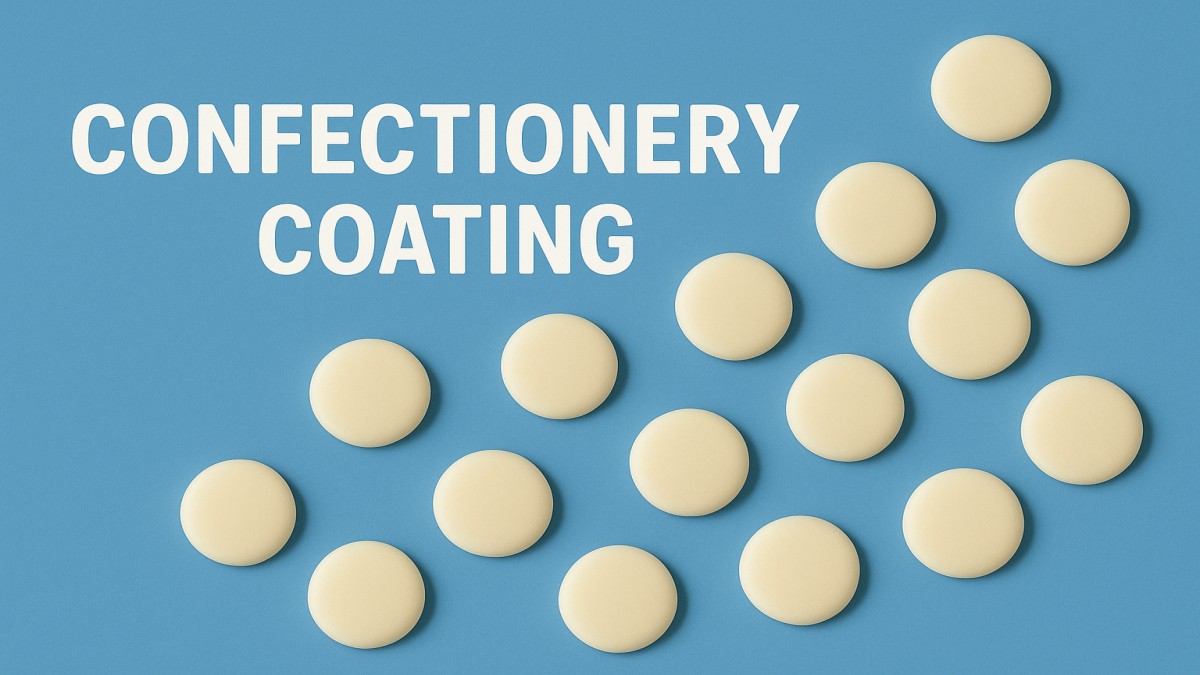
Confectionery Coating. Ever bit into a colorful cake pop or chocolate-covered pretzel and wondered how that glossy coating was made? Chances are, you were enjoying the magic of confectionery coating a sweet, meltable delight that plays a huge role in modern candy-making. Whether you’re a professional baker or a curious home cook, understanding confectionery coating opens up a world of tasty possibilities.
The Basics of Confectionery Coating
Definition and Composition
Confectionery coating often referred to as compound chocolate—is a type of candy coating made from a combination of vegetable fats, sweeteners, and cocoa solids (in some versions). It’s designed to mimic the texture and taste of real chocolate but with greater convenience.
Differences Between Confectionery Coating and Real Chocolate
Real chocolate requires tempering, a tricky process involving precise heating and cooling to stabilize cocoa butter. Confectionery coating skips all that. It uses fats like palm kernel oil instead of cocoa butter, making it easier to handle and quicker to set.
Types of Confectionery Coatings
Compound Coating
This is the most common and chocolate-like coating, used in mass-produced candy bars and chocolate-covered snacks.
Yogurt Coating
A tangy, creamy option usually found on granola bars or fruit snacks.
Carob Coating
A naturally sweet alternative used in health-conscious or dog-safe treats.
Colored & Flavored Coatings
These coatings come in vibrant colors and unique flavors (think strawberry pink or mint green), perfect for themed desserts.
Ingredients in Confectionery Coating
- Fats: Usually palm kernel oil or coconut oil, chosen for stability and mouthfeel.
- Sweeteners: Sugar or corn syrup provides sweetness.
- Milk Solids: Give a creamy texture, especially in milk chocolate-style coatings.
- Emulsifiers: Like soy lecithin or PGPR, which keep everything mixed smoothly.
Advantages of Confectionery Coatings
No Need for Tempering
One of the biggest perks—no double boiler drama. Just melt and go.
Longer Shelf Life
These coatings don’t bloom or go rancid as quickly as traditional chocolate.
Easier to Work With
Great for beginners, hobby bakers, or anyone who doesn’t want to deal with the fuss of real chocolate.
Common Uses of Confectionery Coating
You’ll spot these coatings in:
- Chocolate-covered pretzels, cookies, and nuts
- Candy melts for cake pops
- Drizzles on ice cream bars
- Fruit coatings like dipped strawberries
How to Use Confectionery Coating
Melting Methods
- Microwave: 30-second bursts, stir in between.
- Double Boiler: Gentle and controlled for smooth results.
Dipping, Drizzling, and Molding
Dip cake pops or pretzels, drizzle over desserts, or mold into festive shapes.
Cooling and Setting Tips
Let coated items rest at room temperature or chill briefly in the fridge. Just don’t freeze—freezing can cause cracking or sweating.
Confectionery Coating vs. Real Chocolate
Taste and Texture Comparison
Real chocolate is richer and smoother, while coating is sweeter and waxier. Still delicious—just different!
Nutritional Differences
Coatings often contain more sugar and less cocoa, and usually aren’t considered “healthy.”
When to Use Which
Use coating for decorative projects, themed treats, or when ease is more important than flavor depth.
Working With Colored Confectionery Coatings
How to Color and Flavor
Use oil-based colorings to avoid seizing. Want peppermint or coffee flavor? A few drops of oil-based extract work wonders.
Holiday and Event-Themed Creations
Use red and green for Christmas pops, pastel for Easter eggs, or black and orange for Halloween goodies.
Storing and Reusing Coatings
Storage Tips for Leftovers
Store in an airtight container in a cool, dry place—no need to refrigerate.
Reheating and Reusing Without Ruining
Slow and steady wins the race. Reheat gently to avoid burning or separation.
Troubleshooting Common Issues
- Too thick? Add a teaspoon of vegetable shortening.
- White streaks (blooming)? Let the coating cool gradually.
- Cracks after cooling? Avoid sudden temperature changes.
Conclusion
Confectionery coating is the unsung hero of candy-making. It’s user-friendly, colorful, versatile, and a total lifesaver for decorators and dessert lovers. Whether you’re dipping strawberries, crafting cake pops, or running a bakery—confectionery coating makes your sweet creations shine. Give it a try and bring your dessert dreams to life without breaking a sweat.
FAQs
1. Can I make confectionery coating at home?
Yes, using vegetable fat, powdered sugar, and cocoa (or other flavors) as a base.
2. How is confectionery coating different from candy melts?
They’re essentially the same; “candy melts” is just a brand name for colored coating discs.
3. Why doesn’t my coating harden properly?
Likely due to high humidity or incorrect fat-to-solid ratio. Cool your treats at room temperature.
4. Can I add food coloring to coating?
Yes, but only oil-based colors. Water-based coloring can ruin the texture.
5. Is confectionery coating suitable for baking?
Not for high-temp baking, but it’s perfect for decorating or dipping baked items after they cool.

How to Start a Lawn Mowing Business: Simple Steps That Turn Mowing Into Income

How to Start a Dog Walking Business: Simple Steps That Turn Walks Into Income

How to Start a House Cleaning Business: Simple Steps That Win Your First Clients

How to Pay Employees in Your Small Business: Simple Steps That Get It Right

How to Do Market Research for Small Business: Simple Steps That Find Your Customers

How to Start a Tutoring Business: Simple Steps That Turn Your Knowledge Into Income

How to Create a Digital Product to Sell: A Simple Guide for Small Business Beginners

Christmas Marketing Ideas for Small Businesses: Simple Ways to Win Festive Customers

Benefit of Sole Proprietorship: Simple Advantages That Make Starting Easy

Grant Funding for Small Businesses: A Simple Guide to Finding and Winning Grants

How to Repurpose Blog Content for Social Media Without Starting From Scratch

How to Write a Simple Business Plan for Your Small Business: A Practical Guide That Gets You Started

How to Create a Small Business Content Marketing Plan That Actually Gets Results
How to Handle Customer Complaints in a Small Business: A Calm, Practical Guide That Turns Problems Into Loyalty

How to Get More Clients for Your Business: Simple Ways That Actually Work

How to Create a Content Calendar for a Small Business

How to Write a Professional Business Email That Gets a Reply

How to Set SMART Goals for a Small Business: A Practical Guide That Actually Works

How to Set Up a Simple Referral Program for Your Small Business: A Beginner’s Guide That Brings in New Customers

How to Write a Business Proposal for Your Small Business: A Simple Guide That Wins Clients

How to Start a Lawn Mowing Business: Simple Steps That Turn Mowing Into Income

How to Start a Dog Walking Business: Simple Steps That Turn Walks Into Income

How to Start a House Cleaning Business: Simple Steps That Win Your First Clients

How to Pay Employees in Your Small Business: Simple Steps That Get It Right

How to Do Market Research for Small Business: Simple Steps That Find Your Customers

How to Start a Tutoring Business: Simple Steps That Turn Your Knowledge Into Income

How to Create a Digital Product to Sell: A Simple Guide for Small Business Beginners

Christmas Marketing Ideas for Small Businesses: Simple Ways to Win Festive Customers

Benefit of Sole Proprietorship: Simple Advantages That Make Starting Easy

Grant Funding for Small Businesses: A Simple Guide to Finding and Winning Grants
Trending
entertainment1 year agoPYT Telegram: A Complete Guide to Understanding, Using, and Maximizing It
entertainment1 year agoOnionFlix: Everything You Need to Know About This Streaming Website
education1 year agoHow to Become a Software Engineer: A Complete Guide
others1 year agoNook vs Kindle: Which E-Reader Is Right for You?