others
Branding on Cars: A Powerful Mobile Marketing Strategy
Published
8 months agoon
By
Hamari Web
Table of Contents
ToggleWhat is Car Branding
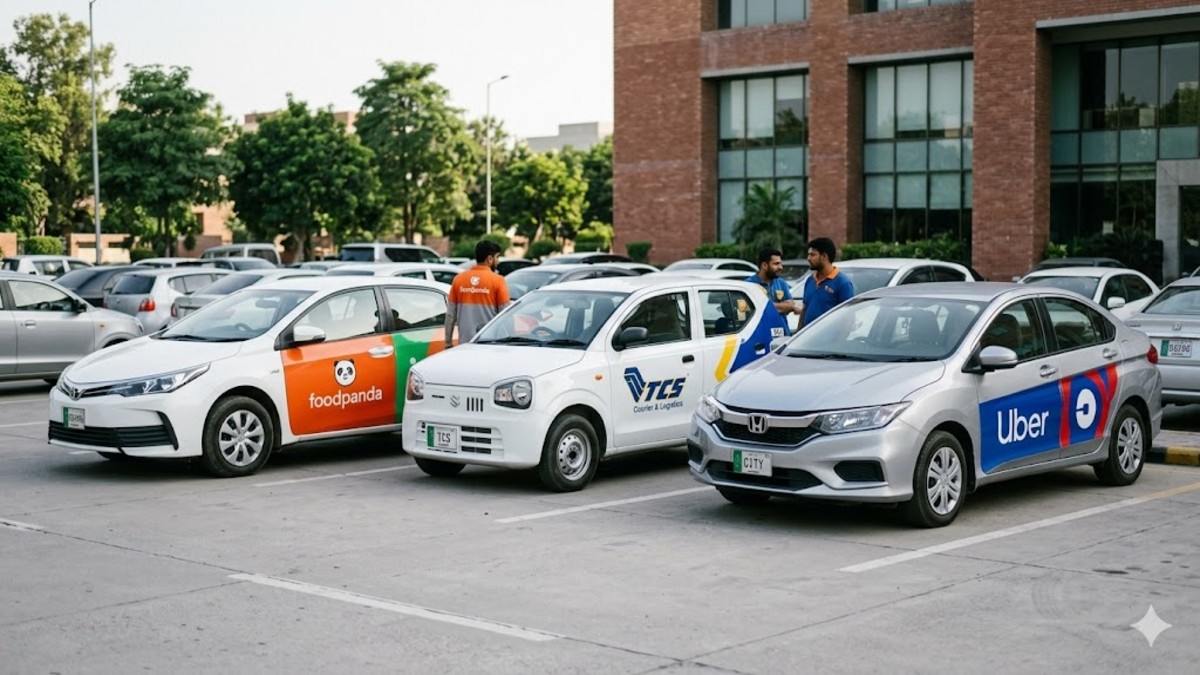
Branding on cars refers to placing a company’s logo, slogan, contact information, or promotional graphics on vehicles to promote a business while the vehicle is on the move. This form of advertising transforms an ordinary vehicle into a moving billboard that promotes a brand wherever it travels. Businesses of all sizes from small local companies to global corporations—use vehicle branding to increase awareness and attract customers.
Vehicle branding has evolved significantly over the years. In the past, companies simply painted their logos on company vehicles. Today, advanced printing technology allows businesses to use vinyl wraps, decals, and creative graphics that cover part or all of a vehicle. These designs can be easily applied and removed without damaging the vehicle’s paint. As a result, companies now have more flexibility in designing visually appealing advertisements that capture attention on busy roads.
Why Businesses Use Car Branding
Companies choose branding on cars because it offers an effective and affordable way to advertise. Traditional advertising methods such as television commercials, billboards, and print ads can be expensive and often require ongoing payments. Vehicle branding, on the other hand, is usually a one-time investment that can generate marketing benefits for years.
One of the biggest advantages is increased brand visibility. A single branded vehicle can generate thousands of impressions daily as it travels through different areas. Whether parked outside a business location or driving through busy streets, the vehicle acts as a mobile advertisement that continuously promotes the brand.
Types of Car Branding
Businesses can choose from several types of vehicle branding methods depending on their marketing goals and budget.
1. Full Vehicle Wraps
Branding on cars. A full vehicle wrap covers the entire exterior surface of a car with printed vinyl graphics. This type of branding creates a bold and highly visible advertisement. Full wraps are ideal for companies that want maximum exposure and a strong visual impact.
2. Partial Wraps
Partial wraps cover only certain areas of the vehicle, such as the doors, hood, or rear panels. This option is more affordable while still providing effective branding. Businesses often combine partial wraps with the original paint color to create an attractive design.
3. Car Decals and Stickers
Decals and stickers are smaller graphics that display logos, contact details, or slogans. They are commonly placed on vehicle doors, windows, or bumpers. Decals are the most budget-friendly option and are suitable for businesses that want simple branding without covering the entire vehicle.
Benefits of Branding on Cars
Branding on vehicles offers several marketing advantages that make it a popular strategy among businesses.
- High visibility: Branded vehicles attract attention on roads, parking lots, and public spaces.
- Continuous advertising: Unlike static ads, vehicle branding works whenever the car is in use.
- Wide audience reach: Branding on cars travel through multiple areas, reaching different groups of people.
- Cost-effective marketing: A single installation can provide advertising exposure for several years.
- Professional brand image: Branded vehicles enhance credibility and make businesses appear more established.
These benefits make car branding a practical marketing tool for both small businesses and large companies. It combines mobility, creativity, and cost efficiency into a single promotional strategy.
Key Elements of Effective Car Branding
For vehicle branding to succeed, the design must be clear, attractive, and easy to understand. A cluttered design with too much information can confuse viewers and reduce the effectiveness of the advertisement.
One essential element is a clear and recognizable logo. The logo should be large enough to be seen from a distance and placed where it is easily visible. Contact information such as a phone number or website should also be included so potential customers know how to reach the business.
Conclusion
Branding on cars has become a powerful marketing strategy in the modern business environment. By transforming vehicles into mobile advertisements, companies can reach large audiences without relying solely on traditional advertising methods. Vehicle branding offers continuous exposure, cost efficiency, and strong brand visibility, making it an attractive option for businesses of all sizes.
FAQs
1. What is branding on cars?
Branding on cars is a marketing strategy where businesses place logos, graphics, or advertisements on vehicles to promote their brand.
2. How long does vehicle branding last?
High-quality vinyl wraps can last between 3 and 5 years depending on weather conditions and maintenance.
3. Is car branding expensive?
The cost varies depending on the type of branding, but it is generally considered more affordable than many traditional advertising methods.
4. Can branding damage the vehicle’s paint?
No, professionally installed vinyl wraps usually protect the original paint and can be removed without damage.
5. Which businesses benefit the most from car branding?
Service-based businesses such as delivery companies, plumbing services, construction firms, and local service providers benefit greatly from vehicle branding.

How to Start a Freelance Business: Simple Steps That Turn Your Skills Into Income

Small Business Loyalty Program Ideas: Simple Ways That Keep Customers Coming Back

Small Business Budget Spreadsheet: A Simple Guide That Keeps Your Money on Track

LinkedIn Business Page Setup: Simple Steps for Small Business

Cold Email Examples That Get Replies: Simple Templates for Small Business

How to Write a Follow Up Email After a Meeting: Simple Steps That Keep the Conversation Going

How to Word a Business Proposal That Wins Clients: Simple Steps for Small Business

How to Write an About Us Page for Small Business: Simple Steps That Build Trust

How to Ask for a Testimonial from a Client: Simple Steps That Actually Work

How to Choose a Domain Name for Your Business: Simple Steps That Help Customers Find You

How to Repurpose Blog Content for Social Media Without Starting From Scratch
How to Handle Customer Complaints in a Small Business: A Calm, Practical Guide That Turns Problems Into Loyalty

How to Create a Small Business Content Marketing Plan That Actually Gets Results

How to Create a Content Calendar for a Small Business

How to Set SMART Goals for a Small Business: A Practical Guide That Actually Works

How to Set Up a Simple Referral Program for Your Small Business: A Beginner’s Guide That Brings in New Customers

How to Write a Professional Business Email That Gets a Reply

How to Write a Business Proposal for Your Small Business: A Simple Guide That Wins Clients

How to Write a Simple Business Plan for Your Small Business: A Practical Guide That Gets You Started

How to Price Your Services as a Small Business: A Simple Guide That Protects Your Profit

How to Start a Freelance Business: Simple Steps That Turn Your Skills Into Income

Small Business Loyalty Program Ideas: Simple Ways That Keep Customers Coming Back

Small Business Budget Spreadsheet: A Simple Guide That Keeps Your Money on Track

LinkedIn Business Page Setup: Simple Steps for Small Business

Cold Email Examples That Get Replies: Simple Templates for Small Business

How to Write a Follow Up Email After a Meeting: Simple Steps That Keep the Conversation Going

How to Word a Business Proposal That Wins Clients: Simple Steps for Small Business

How to Write an About Us Page for Small Business: Simple Steps That Build Trust

How to Ask for a Testimonial from a Client: Simple Steps That Actually Work

How to Choose a Domain Name for Your Business: Simple Steps That Help Customers Find You
Trending
entertainment1 year agoPYT Telegram: A Complete Guide to Understanding, Using, and Maximizing It
entertainment1 year agoOnionFlix: Everything You Need to Know About This Streaming Website
education1 year agoHow to Become a Software Engineer: A Complete Guide
others1 year agoNook vs Kindle: Which E-Reader Is Right for You?