others
Cloisonné – The Art of Enamel with Timeless Beauty
Published
10 months agoon
By
Hamari Web
Table of Contents
ToggleIntroduction to Cloisonné
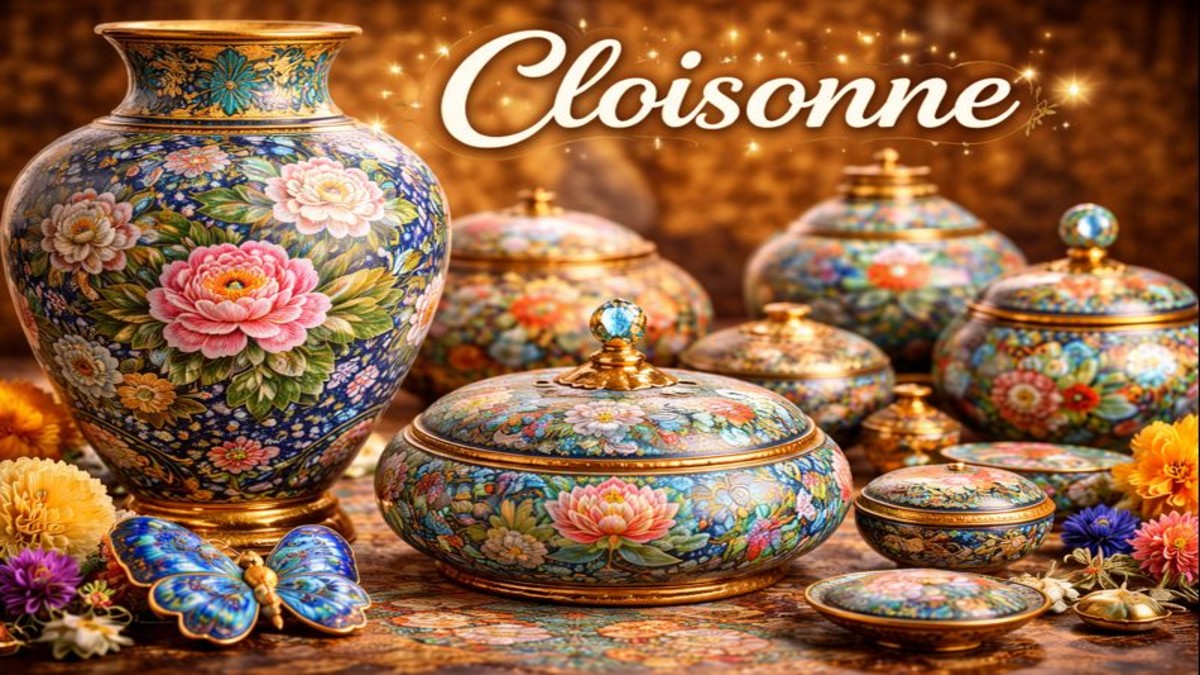
Cloisonné is one of those art forms that instantly feels luxurious. The shimmering colors, the delicate metal lines, and the sense of history packed into each piece make it impossible to ignore. Whether it’s a small pendant or a grand vase, cloisonné has a way of telling stories without saying a word.
What Does Cloisonné Mean?
The word cloisonné comes from the Frenchné* comes from the French term cloison, meaning “partition.” That’s exactly how this art works. Thin metal wires are shaped into patterns and attached to a metal surface, creating tiny compartments. These compartments are then filled with colorful enamel and fired in a kiln.
Why Cloisonné Still Captivates Us Today
In a world of mass production, cloisonné feels personal. Every piece requires patience, precision, and a steady hand. It’s slow art in a fast world—and that’s part of its magic.
The Origins of Cloisonné
Early Beginnings in the Ancient World
Cloisonné techniques can be traced back thousands of years, with early examples found in ancient Egypt and the Byzantine Empire. These early works laid the foundation for what would become a global decorative art.
Cloisonné in China
China embraced cloisonné and transformed it into something extraordinary. By the 14th century, Chinese artisans had mastered the technique, producing bold designs with rich blues, reds, and golds.
Ming and Qing Dynasty Influence
During the Ming and Qing dynasties, cloisonné reached its peak. Imperial workshops produced stunning pieces for the royal court, making cloisonné a symbol of power and refinement.
How Cloisonné Is Made
The Base Metal
Most cloisonné starts with copper or bronze. These metals conduct heat well and bond beautifully with enamel.
Creating the Cloisons (Wire Cells)
Thin metal wires are bent into intricate patterns and glued or soldered onto the metal surface. This step defines the entire design—like sketching before painting.
Applying Enamel Colors
Powdered glass enamel is mixed with water and carefully placed into each compartment. Think of it like filling tiny swimming pools with liquid color.
Firing and Polishing Process
The piece is fired in a kiln multiple times. After firing, the surface is polished until it becomes smooth and glossy, revealing vibrant, jewel-like colors.
Materials Used in Cloisonné
Metals
Copper is the most common base, but silver and gold are also used in high-end pieces.
Enamel Powders
These powders are made from finely ground glass mixed with mineral pigments, giving cloisonné its signature brilliance.
Decorative Elements
Gold plating, engraved details, and symbolic motifs often enhance the final piece.
Types of Cloisonné Art
Cloisonné Jewelry
From earrings to brooches, cloisonné jewelry offers wearable art with bold colors and timeless appeal.
Cloisonné Vases and Decorative Objects
These are perhaps the most iconic cloisonné items, often displayed as centerpieces or collector’s items.
Religious and Ceremonial Items
In many cultures, cloisonné has been used for sacred objects, adding spiritual meaning to its beauty.
Cultural Significance of Cloisonné
Symbolism in Colors and Motifs
Colors aren’t random. Blue often represents immortality, red symbolizes joy, and dragons or flowers carry deep cultural meanings.
Cloisonné as a Status Symbol
Historically, owning cloisonné meant wealth and taste. Even today, fine cloisonné is associated with elegance.
Cloisonné vs Other Enamel Techniques
Cloisonné vs Champlevé
Champlevé involves carving out cells instead of adding wires. Cloisonné is more delicate and intricate.
Cloisonné vs Plique-à-jour
Plique-à-jour creates a stained-glass effect without a metal backing, while cloisonné has a solid base.
Cloisonné in the Modern World
Contemporary Artists and Designers
Modern artists are blending traditional cloisonné with minimalist designs, proving it’s far from outdated.
Collecting Antique Cloisonné
Collectors value age, craftsmanship, and condition. Authentic antique pieces can be true investments.
Caring for Cloisonné Art
Cleaning and Maintenance
Use a soft cloth and mild soap. Avoid harsh chemicals that can damage the enamel.
Storage Tips
Store cloisonné separately to prevent scratches and keep it away from extreme temperatures.
Conclusion
Cloisonné stands as a beautiful reminder that art doesn’t need speed to shine. Built wire by wire and color by color, it captures centuries of tradition in a single object. Whether you admire it for its history, craftsmanship, or sheer beauty, cloisonné continues to enchant generations.
FAQs
1. Is cloisonné still handmade today?
Yes, many artisans still create cloisonné by hand using traditional techniques.
2. Why is cloisonné expensive?
The process is labor-intensive and requires skilled craftsmanship and multiple firings.
3. How can I tell if cloisonné is authentic?
Look for smooth enamel, fine wirework, and quality metal backing.
4. Can cloisonné break easily?
While durable, enamel can crack if dropped or exposed to sudden temperature changes.
5. Is cloisonné only Chinese?
No, cloisonné has roots in many cultures, including Byzantine, European, and Japanese traditions.

How to Start a Freelance Business: Simple Steps That Turn Your Skills Into Income

Small Business Loyalty Program Ideas: Simple Ways That Keep Customers Coming Back

Small Business Budget Spreadsheet: A Simple Guide That Keeps Your Money on Track

LinkedIn Business Page Setup: Simple Steps for Small Business

Cold Email Examples That Get Replies: Simple Templates for Small Business

How to Write a Follow Up Email After a Meeting: Simple Steps That Keep the Conversation Going

How to Word a Business Proposal That Wins Clients: Simple Steps for Small Business

How to Write an About Us Page for Small Business: Simple Steps That Build Trust

How to Ask for a Testimonial from a Client: Simple Steps That Actually Work

How to Choose a Domain Name for Your Business: Simple Steps That Help Customers Find You

How to Repurpose Blog Content for Social Media Without Starting From Scratch
How to Handle Customer Complaints in a Small Business: A Calm, Practical Guide That Turns Problems Into Loyalty

How to Create a Small Business Content Marketing Plan That Actually Gets Results

How to Create a Content Calendar for a Small Business

How to Set SMART Goals for a Small Business: A Practical Guide That Actually Works

How to Set Up a Simple Referral Program for Your Small Business: A Beginner’s Guide That Brings in New Customers

How to Write a Professional Business Email That Gets a Reply

How to Write a Business Proposal for Your Small Business: A Simple Guide That Wins Clients

How to Write a Simple Business Plan for Your Small Business: A Practical Guide That Gets You Started

How to Price Your Services as a Small Business: A Simple Guide That Protects Your Profit

How to Start a Freelance Business: Simple Steps That Turn Your Skills Into Income

Small Business Loyalty Program Ideas: Simple Ways That Keep Customers Coming Back

Small Business Budget Spreadsheet: A Simple Guide That Keeps Your Money on Track

LinkedIn Business Page Setup: Simple Steps for Small Business

Cold Email Examples That Get Replies: Simple Templates for Small Business

How to Write a Follow Up Email After a Meeting: Simple Steps That Keep the Conversation Going

How to Word a Business Proposal That Wins Clients: Simple Steps for Small Business

How to Write an About Us Page for Small Business: Simple Steps That Build Trust

How to Ask for a Testimonial from a Client: Simple Steps That Actually Work

How to Choose a Domain Name for Your Business: Simple Steps That Help Customers Find You
Trending
entertainment1 year agoPYT Telegram: A Complete Guide to Understanding, Using, and Maximizing It
entertainment1 year agoOnionFlix: Everything You Need to Know About This Streaming Website
education1 year agoHow to Become a Software Engineer: A Complete Guide
others1 year agoNook vs Kindle: Which E-Reader Is Right for You?