others
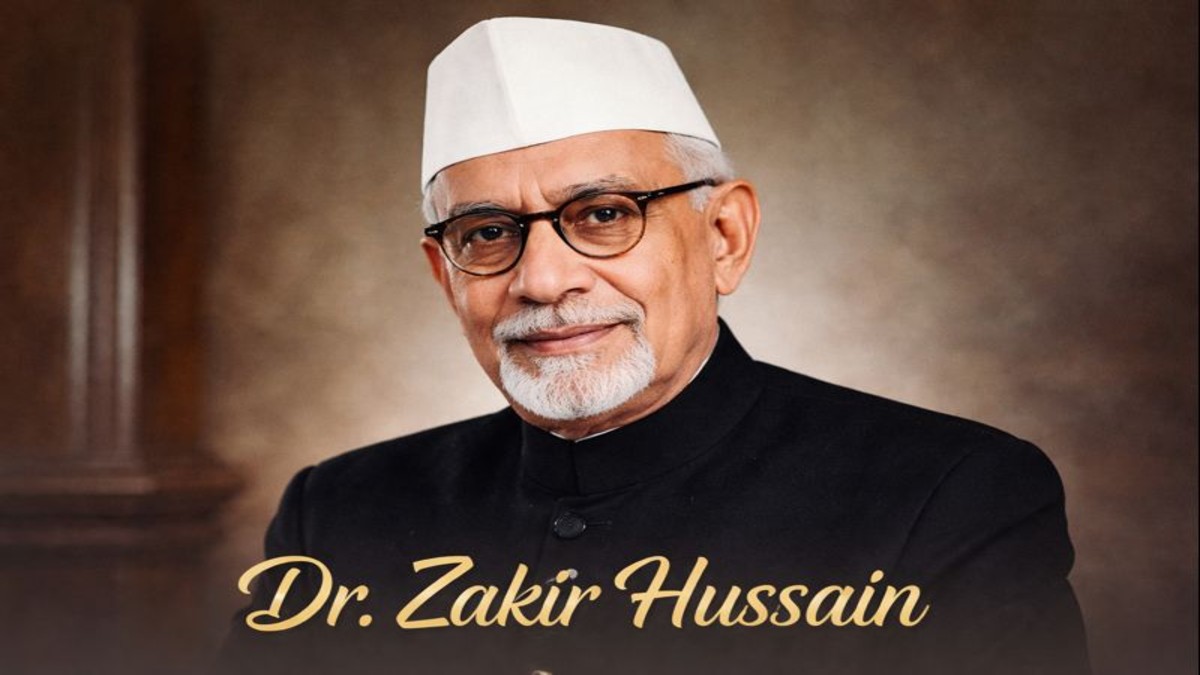
Dr. Zakir Hussain – A Visionary Leader of India

Introduction to Dr. Zakir Hussain
Dr. Zakir Hussain was one of India’s most influential leaders, best known for his remarkable contributions to education, culture, and national development. As the third President of India, and the first Muslim to hold the position, he is remembered for his wisdom, integrity, and lifelong dedication to the service of the nation.
Early Life and Background
Born on February 8, 1897, in Hyderabad, he grew up in an environment that encouraged learning and discipline. Despite facing personal challenges early in life, he developed a strong passion for education and public service.
Family and Upbringing
Raised in a family that valued both ethics and academic excellence, Zakir Hussain’s upbringing shaped his character. These values became the foundation of his future beliefs and mission.
Academic Journey of Dr. Zakir Hussain
Education and Intellectual Growth
Zakir Hussain pursued higher studies in India and later went to Germany for advanced education. His time abroad broadened his outlook, helping him embrace progressive ideals and modern teaching methods.
Founding of Jamia Millia Islamia
In 1920, he co-founded Jamia Millia Islamia in Aligarh, which later moved to Delhi. His involvement in the institution laid the foundation for one of India’s most respected universities. He worked tirelessly to build Jamia on principles of nationalism, discipline, and cultural unity.
Contributions to Education
Educational Reforms and Ideals
Dr. Zakir Hussain believed that education was the core driving force of national development. He advocated for a curriculum that encouraged practical skills, moral values, and intellectual independence.
Promotion of National Integration Through Learning
For him, education wasn’t just about academics—it was a tool to unite India. He promoted a system where students learned respect for all religions, languages, and cultures.
Political Career and Achievements
Role in Freedom Movement
Dr. Zakir Hussain was actively associated with India’s freedom struggle. He aligned himself with leaders who believed in non-violence and constitutional methods.
Becoming the Vice President of India
In 1962, he was appointed the Vice President of India, where he brought grace and intelligence to the role.
Presidency and Historic Reign
In 1967, Dr. Zakir Hussain became the third President of India. His presidency emphasized honesty, humanity, and a deep commitment to national welfare. He is also remembered as India’s first Muslim President, symbolizing the nation’s secular identity.
Legacy and Impact
Awards and Recognition
Dr. Zakir Hussain was awarded the Bharat Ratna, India’s highest civilian honor, for his contributions to education and national service.
Influence on India’s Educational System
His ideals continue to inspire modern educational policies. Jamia Millia Islamia stands as a living testament to his vision.
Personal Values and Philosophy
Belief in Unity and Secularism
Zakir Hussain believed India’s strength lies in unity. His leadership reinforced the values of secularism, peace, and respect.
Dedication to Cultural Harmony
He promoted harmony among diverse communities, proving that progress is only possible when people stand together.
Death and Posthumous Honors
Final Years
Dr. Zakir Hussain passed away on May 3, 1969, while still serving as President. His death was a moment of deep national grief.
Remembering Dr. Zakir Hussain Today
Today, he is remembered as a pioneer of education, an inspiring leader, and a true patriot whose life shaped modern India.
Conclusion
Dr. Zakir Hussain’s life teaches us the value of knowledge, unity, and sincere service to the nation. His contributions to education and politics left a legacy that continues to inspire India. As a leader, educator, and visionary, he remains a shining example of how dedication and wisdom can change the world.
FAQs
1. Who was Dr. Zakir Hussain?
He was the third President of India and a key figure in the country’s educational and political development.
2. What is Dr. Zakir Hussain famous for?
He is known for founding Jamia Millia Islamia and his commitment to educational reform.
3. Which award did Dr. Zakir Hussain receive for his contribution?
He received the Bharat Ratna, India’s highest civilian honor.
4. When was Dr. Zakir Hussain born and when did he die?
He was born on February 8, 1897, and passed away on May 3, 1969.
5. Why is Dr. Zakir Hussain important in Indian history?
He is important for his leadership, educational vision, and role in strengthening India’s secular and democratic values.

Beginner Guide to Making Money Online (2026 Step-by-Step Guide)

How to Earn Money Using AI Tools Free (2026 Beginner Guide)
Easy Ways to Make Money Online Today USA (2026 Guide)

Dobutamine: Uses, Mechanism, Dosage, and Side Effects
Nopdle Magazine: Redefining Creative Culture Through Curated Innovation

Shop Easter Basket: The Ultimate Guide to Perfect Easter Gifts

Best Apps to Make Money Online USA (2026 Guide)

How to Start Affiliate Marketing with No Money

Freelance Jobs for Beginners USA (Start with No Experience)

Side Hustle Ideas from Home USA (No Experience Needed) – Beginner’s Guide
Dobutamine: Uses, Mechanism, Dosage, and Side Effects
Ishraq Time in Delhi: What It Is, When It Happens, and Why It Matters

Beton Celular Autoclavizat: The Future of Lightweight, Eco-Friendly Construction

Read OPM Manga Online: Where and How to Enjoy One Punch Man Legally

Technisches Gymnasium: Your Gateway to Engineering and Technology

Why Every Small Business Needs a Digital Marketing Agency

Goblets: A Timeless Symbol of Elegance and Celebration
Nopdle Magazine: Redefining Creative Culture Through Curated Innovation

Gold Shower: Nature’s Cascading Yellow Wonder

The Indian Bow: A Legacy of Precision, Power, and Tradition
Beginner Guide to Making Money Online (2026 Step-by-Step Guide)
How to Earn Money Using AI Tools Free (2026 Beginner Guide)
Easy Ways to Make Money Online Today USA (2026 Guide)
Dobutamine: Uses, Mechanism, Dosage, and Side Effects
Nopdle Magazine: Redefining Creative Culture Through Curated Innovation
Shop Easter Basket: The Ultimate Guide to Perfect Easter Gifts
Best Apps to Make Money Online USA (2026 Guide)
How to Start Affiliate Marketing with No Money
Freelance Jobs for Beginners USA (Start with No Experience)
Side Hustle Ideas from Home USA (No Experience Needed) – Beginner’s Guide

 entertainment7 months ago
PYT Telegram: A Complete Guide to Understanding, Using, and Maximizing It

 entertainment7 months ago
OnionFlix: Everything You Need to Know About This Streaming Website
- others6 months ago
Nook vs Kindle: Which E-Reader Is Right for You?
- gaming7 months ago
Melisandre: The Enigmatic Priestess of Game of Thrones