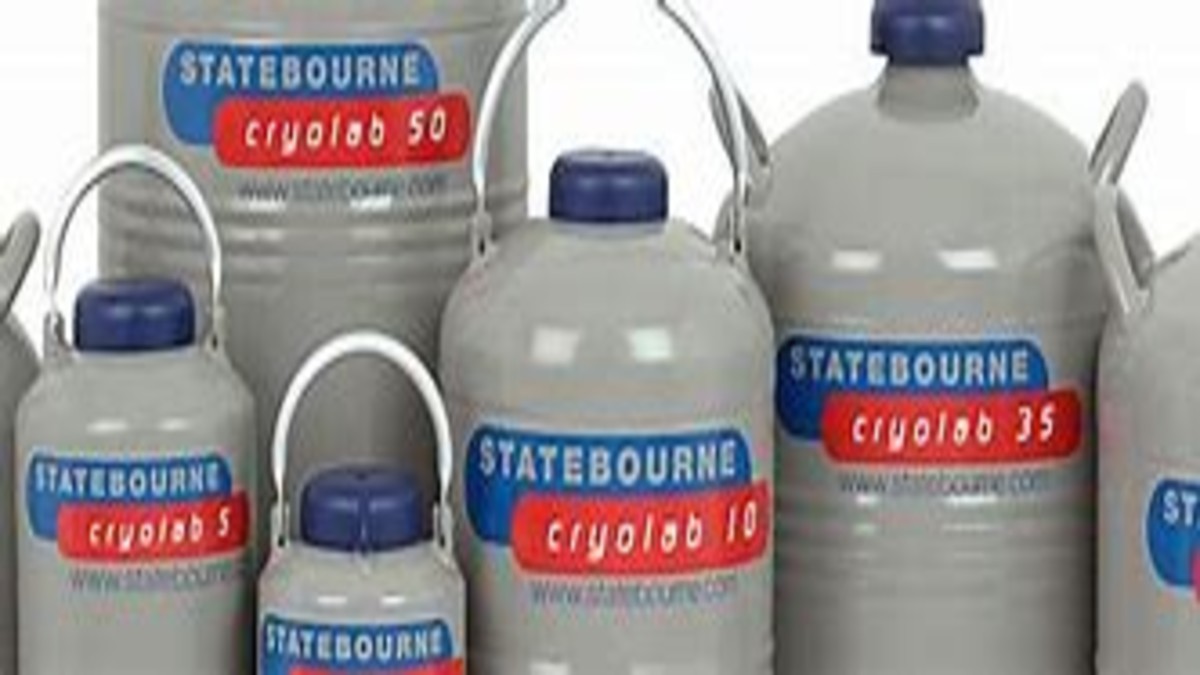
others
Everything You Need to Know About Liquid Nitrogen Dewars
Published
4 months agoon
By
Hamari Web
Table of Contents
ToggleIntroduction: Why Liquid Nitrogen Dewars Matter
Liquid Nitrogen Dewar is a powerhouse in science, industry, and medicine. But storing and transporting this cryogenic liquid safely? That’s where the liquid nitrogen dewar comes in. These specialized containers are essential for preserving biological samples, freezing materials, and even powering some futuristic cooling systems. Whether you’re a lab tech or a science geek, understanding dewars is key to working safely with LN2 (liquid nitrogen).
What Is a Liquid Nitrogen Dewar?
A liquid nitrogen dewar is a vacuum-insulated container designed specifically to hold and transport liquid nitrogen at extremely low temperatures typically -196°C (-321°F). Named after Scottish scientist Sir James Dewar, who invented the vacuum flask in the 1890s, dewars keep LN2 cold and contained without the need for mechanical refrigeration.
How Does a Dewar Work?
The magic lies in the vacuum insulation. This double-walled structure limits heat transfer from the outside environment, which helps prevent the nitrogen from boiling off too quickly. Some dewars even have multiple layers of reflective foil to reduce radiant heat transfer.
Types of Liquid Nitrogen Dewars
1. Storage Dewars
These are ideal for long-term holding of LN2. They’re commonly used in labs and medical facilities.
2. Transport Dewars
Designed for safe movement of LN2 from one location to another. They are usually more rugged and portable.
3. Withdrawal Dewars
These feature spouts or siphons for easily dispensing the liquid nitrogen.
Key Features to Consider
When choosing a dewar, here’s what to look out for:
- Capacity: Ranges from a few liters to 50+ liters.
- Holding Time: How long the LN2 remains liquid.
- Build Quality: Stainless steel or aluminum with rugged exteriors.
- Ease of Use: Ergonomic handles, pressure valves, and pouring spouts.
- Safety Features: Pressure-relief devices to prevent over-pressurization.
Common Applications of Liquid Nitrogen Dewars
Scientific Research
Cryopreservation, cryogenics studies, and superconducting magnets often rely on dewars.
Medical and Biotech
Storing vaccines, sperm, eggs, and other biological specimens at ultra-low temps.
Industrial Uses
Used in metal fabrication for shrink-fitting and cooling mechanical components.
Food and Beverage
LN2 helps create novelty items like nitrogen ice cream or rapid freezing of gourmet dishes.
Safety Tips for Handling Liquid Nitrogen Dewars
Working with LN2 is serious business. Here are a few essential safety measures:
- Always wear protective gear (face shield, cryo-gloves, apron).
- Use dewars in well-ventilated areas to prevent oxygen displacement.
- Never seal a dewar tightly, as pressure build-up can lead to explosions.
- Use proper lifting technique or carts for larger containers.
Storage Best Practices
- Keep dewars upright at all times.
- Avoid direct sunlight or extreme heat sources.
- Regularly inspect for damage or leaks.
- Store away from flammable materials.
Maintenance and Care
Maintaining your dewar means extending its lifespan and ensuring safety:
- Clean with warm water and mild detergent no abrasives!
- Check for vacuum integrity if LN2 boils off too quickly.
- Replace worn-out seals or gaskets.
- Have pressure valves tested periodically.
How Long Does LN2 Last in a Dewar?
It depends on the size and quality of insulation, but typically, a good dewar can keep LN2 for anywhere from a few hours to several weeks. For example, a small 5-liter dewar may hold LN2 for 5–7 days, while a 50-liter unit may last up to 60 days.
Buying Guide: Choosing the Right Dewar
Not sure which model to pick? Consider these questions:
- What is the intended use (transport, storage, dispensing)?
- How often will you refill it?
- Will it be stationary or mobile?
- Is there easy access to refill stations?
Top manufacturers to consider include Thermo Fisher Scientific, Worthington Industries, MVE, and Cryofab.
Conclusion
A liquid nitrogen dewar is a must-have tool for anyone working with LN2 whether it’s for science, medicine, industry, or even culinary innovation. Choosing the right one boils down to knowing your needs, staying safe, and maintaining it well. With proper use, a quality dewar can last for many years and make your cryogenic operations smoother and safer.
FAQs
1. Can I transport a liquid nitrogen dewar in a car?
Yes, but only if it’s well-ventilated and the dewar is secured upright. Never transport sealed dewars due to pressure risks.
2. How do I know when to refill my dewar?
Check the weight or use a dipstick. Some models also have digital level indicators.
3. Is it dangerous to touch liquid nitrogen?
Yes! Direct contact causes severe frostbite. Always use protective gear.
4. Do I need special training to use a dewar?
Basic cryogen safety training is recommended, especially in workplaces and labs.
5. What’s the lifespan of a liquid nitrogen dewar?
With proper care, a high-quality dewar can last 10–20 years or more.

How to Start a Lawn Mowing Business: Simple Steps That Turn Mowing Into Income

How to Start a Dog Walking Business: Simple Steps That Turn Walks Into Income

How to Start a House Cleaning Business: Simple Steps That Win Your First Clients

How to Pay Employees in Your Small Business: Simple Steps That Get It Right

How to Do Market Research for Small Business: Simple Steps That Find Your Customers

How to Start a Tutoring Business: Simple Steps That Turn Your Knowledge Into Income

How to Create a Digital Product to Sell: A Simple Guide for Small Business Beginners

Christmas Marketing Ideas for Small Businesses: Simple Ways to Win Festive Customers

Benefit of Sole Proprietorship: Simple Advantages That Make Starting Easy

Grant Funding for Small Businesses: A Simple Guide to Finding and Winning Grants

How to Repurpose Blog Content for Social Media Without Starting From Scratch

How to Write a Simple Business Plan for Your Small Business: A Practical Guide That Gets You Started

How to Create a Small Business Content Marketing Plan That Actually Gets Results
How to Handle Customer Complaints in a Small Business: A Calm, Practical Guide That Turns Problems Into Loyalty

How to Write a Professional Business Email That Gets a Reply

How to Create a Content Calendar for a Small Business

How to Get More Clients for Your Business: Simple Ways That Actually Work

How to Set SMART Goals for a Small Business: A Practical Guide That Actually Works

How to Set Up a Simple Referral Program for Your Small Business: A Beginner’s Guide That Brings in New Customers

How to Write a Business Proposal for Your Small Business: A Simple Guide That Wins Clients

How to Start a Lawn Mowing Business: Simple Steps That Turn Mowing Into Income

How to Start a Dog Walking Business: Simple Steps That Turn Walks Into Income

How to Start a House Cleaning Business: Simple Steps That Win Your First Clients

How to Pay Employees in Your Small Business: Simple Steps That Get It Right

How to Do Market Research for Small Business: Simple Steps That Find Your Customers

How to Start a Tutoring Business: Simple Steps That Turn Your Knowledge Into Income

How to Create a Digital Product to Sell: A Simple Guide for Small Business Beginners

Christmas Marketing Ideas for Small Businesses: Simple Ways to Win Festive Customers

Benefit of Sole Proprietorship: Simple Advantages That Make Starting Easy

Grant Funding for Small Businesses: A Simple Guide to Finding and Winning Grants
Trending
entertainment1 year agoPYT Telegram: A Complete Guide to Understanding, Using, and Maximizing It
entertainment1 year agoOnionFlix: Everything You Need to Know About This Streaming Website
education1 year agoHow to Become a Software Engineer: A Complete Guide
others1 year agoNook vs Kindle: Which E-Reader Is Right for You?