others
Gnomes – Mythical Guardians of Folklore and Gardens

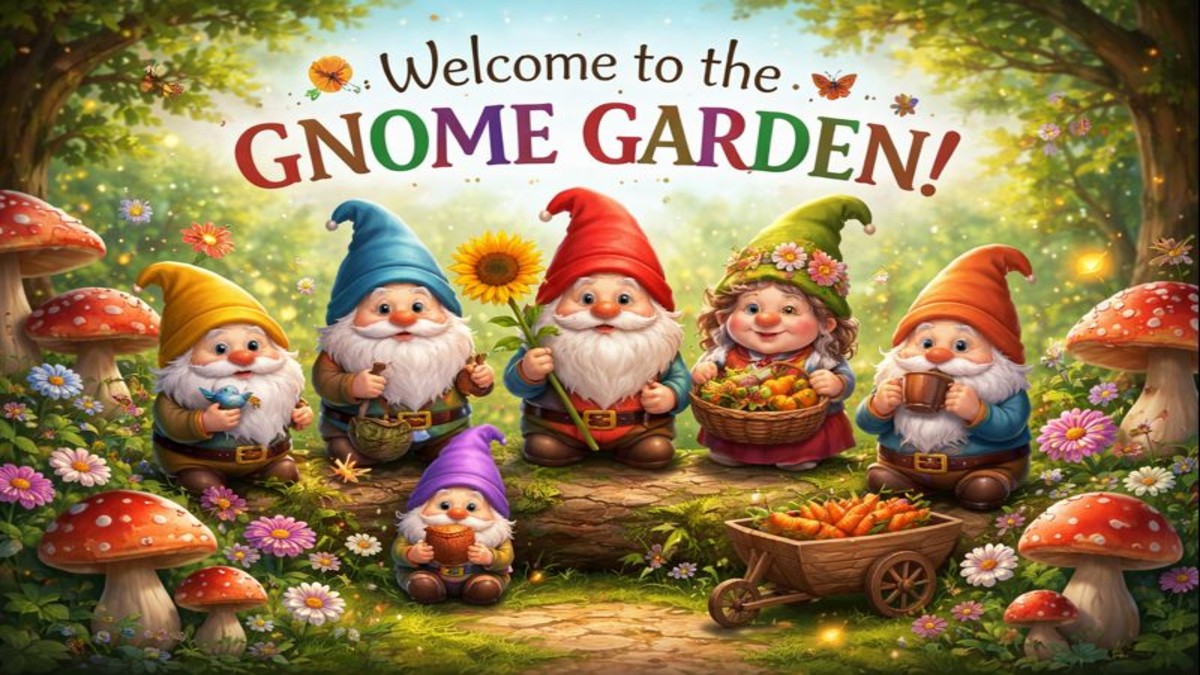
Small, bearded, and often wearing pointy red hats—gnomes have captured human imagination for centuries. Whether hiding beneath forest roots, guarding underground treasures, or smiling quietly in garden corners, gnomes blend mystery with charm. But where did these tiny figures come from, and why do we still love them today? Let’s dig in—carefully, of course. You never know who might be watching from below the soil.
What Are Gnomes?
Definition and Basic Concept
Gnomes are mythical beings from European folklore, traditionally believed to live underground. They’re often described as earth-dwelling spirits who protect nature, minerals, and hidden treasures.
Physical Appearance
Classic gnomes are small, human-like creatures with:
- Long white beards
- Wrinkled faces
- Pointed hats
- Sturdy boots
Think of them as the wise old guardians of the earth—short in height but tall in personality.
Origins of Gnomes in Folklore
European Mythological Roots
The concept of gnomes emerged in Renaissance Europe, particularly in Germanic and Scandinavian folklore.
Swiss and German Legends
The term “gnome” was popularized by Swiss alchemist Paracelsus in the 16th century, who classified gnomes as earth elementals—beings tied directly to soil and stone.
Symbolism and Meaning of Gnomes
Earth Guardians
Gnomes symbolize a deep connection to nature. They’re believed to protect plants, animals, and underground riches.
Symbols of Luck and Protection
In many cultures, gnomes are seen as bringers of good fortune, guarding homes and gardens from misfortune.
Gnomes in Medieval and Renaissance Beliefs
Elemental Spirits
According to ancient belief systems, gnomes represented the earth element, alongside salamanders (fire), sylphs (air), and undines (water).
Connection to Alchemy
Alchemists believed gnomes could move freely through solid earth, making them keepers of hidden knowledge and secrets.
Types of Gnomes
Forest Gnomes
These gnomes live among trees and animals, often acting as caretakers of woodland ecosystems.
Mountain and Underground Gnomes
Said to dwell deep in caves and mines, these gnomes guard precious metals and gemstones.
Household Gnomes
In Scandinavian traditions, similar beings protect homes and farms, rewarding kindness and punishing neglect.
Garden Gnomes
History of Garden Gnomes
Garden gnomes became popular in 19th-century Germany, where clay figurines were placed in gardens for luck and protection.
Why People Love Them
They add whimsy, charm, and personality—like tiny neighbors who silently approve of your roses.
Gnomes in Popular Culture
Books and Fairy Tales
Gnomes appear in classic fairy tales, children’s books, and fantasy novels as wise helpers or mischievous tricksters.
Movies and Animation
From animated films to humorous TV ads, gnomes have evolved into playful pop-culture icons.
Gnomes vs Dwarves vs Elves
Key Differences
- Gnomes: Earth-bound, nature-focused
- Dwarves: Skilled miners and warriors
- Elves: Graceful, magical forest beings
Common Confusions
While they share fantasy roots, each has distinct traits and roles in mythology.
How Gnomes Are Depicted Today
Modern Art and Decor
Today’s gnomes range from traditional to quirky—some even wear sunglasses or ride motorcycles.
Internet and Pop Culture
Memes and viral trends have given gnomes a humorous, modern twist.
Cultural Importance of Gnomes
European Traditions
In countries like Germany and Sweden, gnomes remain cultural symbols of home and harvest.
Global Popularity
Thanks to globalization, gnomes are now beloved worldwide.
Collecting Gnomes as a Hobby
Antique Gnomes
Vintage garden gnomes can be valuable collectibles.
Handmade Gnome Figures
Artisans still create hand-painted gnomes using traditional techniques.
Fun Facts About Gnomes
- Gnome festivals exist in parts of Europe
- Some people believe moving a gnome brings bad luck
- The tallest garden gnome stands over 7 feet tall
Why Gnomes Continue to Fascinate Us
Gnomes remind us of a time when nature felt magical and alive. They blend fantasy with familiarity, offering comfort, humor, and a hint of mystery. In a fast-paced world, these tiny guardians whisper a simple message: slow down and respect the earth.
Conclusion
Gnomes may be small, but their impact on folklore, culture, and imagination is enormous. From ancient myths to modern gardens, they’ve stood the test of time as symbols of protection, wisdom, and wonder. Whether you see them as mythical beings or charming decorations, gnomes continue to spark curiosity and joy across generations.
FAQs
1. Are gnomes mythical or cultural symbols?
They are mythical beings rooted in European folklore.
2. Why do gnomes wear pointy hats?
The hat symbolizes wisdom and their connection to earth magic.
3. Are garden gnomes based on folklore?
Yes, they’re inspired by traditional earth-guardian legends.
4. Do gnomes appear in modern fantasy?
Absolutely—they’re common in books, games, and films.
5. What do gnomes symbolize today?
Luck, protection, humor, and a love for nature.

Dobutamine: Uses, Mechanism, Dosage, and Side Effects

Nopdle Magazine: Redefining Creative Culture Through Curated Innovation

Shop Easter Basket: The Ultimate Guide to Perfect Easter Gifts

Best Apps to Make Money Online USA (2026 Guide)

How to Start Affiliate Marketing with No Money

Freelance Jobs for Beginners USA (Start with No Experience)

Side Hustle Ideas from Home USA (No Experience Needed) – Beginner’s Guide

Online Jobs from Home USA (Daily Pay) – Start Earning Instantly

Beton Celular Autoclavizat: The Future of Lightweight, Eco-Friendly Construction

Goblets: A Timeless Symbol of Elegance and Celebration
Dobutamine: Uses, Mechanism, Dosage, and Side Effects

Ishraq Time in Delhi: What It Is, When It Happens, and Why It Matters
Beton Celular Autoclavizat: The Future of Lightweight, Eco-Friendly Construction

Read OPM Manga Online: Where and How to Enjoy One Punch Man Legally

Technisches Gymnasium: Your Gateway to Engineering and Technology

Why Every Small Business Needs a Digital Marketing Agency
Goblets: A Timeless Symbol of Elegance and Celebration
Nopdle Magazine: Redefining Creative Culture Through Curated Innovation

Gold Shower: Nature’s Cascading Yellow Wonder

The Indian Bow: A Legacy of Precision, Power, and Tradition
Dobutamine: Uses, Mechanism, Dosage, and Side Effects
Nopdle Magazine: Redefining Creative Culture Through Curated Innovation
Shop Easter Basket: The Ultimate Guide to Perfect Easter Gifts
Best Apps to Make Money Online USA (2026 Guide)
How to Start Affiliate Marketing with No Money
Freelance Jobs for Beginners USA (Start with No Experience)
Side Hustle Ideas from Home USA (No Experience Needed) – Beginner’s Guide
Online Jobs from Home USA (Daily Pay) – Start Earning Instantly
Beton Celular Autoclavizat: The Future of Lightweight, Eco-Friendly Construction
Goblets: A Timeless Symbol of Elegance and Celebration

 entertainment7 months ago
PYT Telegram: A Complete Guide to Understanding, Using, and Maximizing It

 entertainment7 months ago
OnionFlix: Everything You Need to Know About This Streaming Website
- others6 months ago
Nook vs Kindle: Which E-Reader Is Right for You?
- gaming7 months ago
Melisandre: The Enigmatic Priestess of Game of Thrones