others
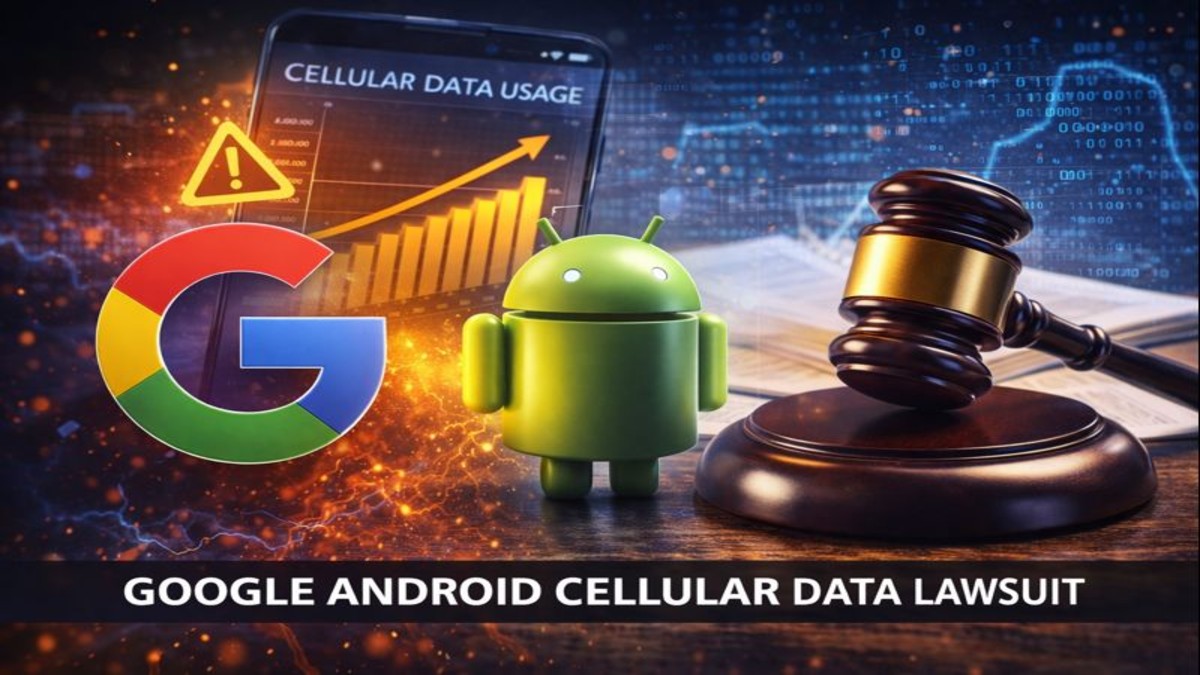
Google Android Cellular Data Lawsuit – A Complete Breakdown

Introduction to the Google Android Cellular Data Lawsuit
The Google Android cellular data lawsuit has sparked serious conversations about privacy, transparency, and user rights in the digital age. If you use an Android phone—and let’s be honest, millions of people do—this case hits close to home.
At its core, the lawsuit questions whether Android devices consume cellular data without clear user permission. Sounds technical? Don’t worry. We’ll break it down like a friendly chat over coffee.
Why This Lawsuit Matters
Data isn’t just numbers anymore—it’s money. For users on limited data plans, unexplained data usage can mean extra charges. On a bigger scale, it raises trust issues between tech giants and everyday users.
Why Android Users Are Paying Attention
Imagine turning off mobile data, only to discover your phone still used it. That’s the frustration at the heart of this legal battle.
What Is Cellular Data on Android?
Cellular data allows your phone to connect to the internet when Wi-Fi isn’t available. It’s convenient—but also limited and costly for many users.
Difference Between Cellular Data and Wi-Fi
Wi-Fi is usually unlimited and stable. Cellular data, on the other hand, often comes with caps. Once you cross the limit, speeds drop or bills rise.
Background Data vs Foreground Data
- Foreground data: Used when you actively browse or stream
- Background data: Used silently by apps running behind the scenes
The lawsuit focuses heavily on background data usage.
Origin of the Google Android Cellular Data Lawsuit
How the Lawsuit Started
The case began when users noticed unexplained cellular data usage—even when phones were idle or connected to Wi-Fi.
Key Allegations Explained Simply
The claim? Android devices allegedly sent and received data without user consent, costing users money.
Main Claims Against Google
Data Usage Without User Consent
Plaintiffs argue Google failed to properly inform users that Android systems could still consume cellular data even when settings suggested otherwise.
Android Phones Sending Data Even When Idle
Even untouched phones were allegedly communicating with Google servers—raising eyebrows and legal questions.
Apps and Services Involved
Google Search and Android System Services
Core services like Google Search reportedly played a role in background data transfers.
Background Sync and Diagnostics
System diagnostics and syncing processes were also highlighted as potential data consumers.
Impact on Android Users
Unexpected Data Charges
Some users reported going over data limits without actively using their phones.
Battery Drain Concerns
More background activity doesn’t just eat data—it also drains battery life.
Privacy Issues Raised by the Case
User Consent and Transparency
Were users clearly informed? That’s the million-dollar question.
Data Collection Ethics
The case fuels a larger debate: how much data collection is too much?
Google’s Response to the Lawsuit
Google’s Defense Strategy
Google maintains that Android data usage is essential for performance, security, and updates.
Statements on User Privacy
The company insists it prioritizes transparency and user control.
Legal Arguments and Court Proceedings
Consumer Protection Laws
The lawsuit leans heavily on consumer protection and unfair business practice laws.
Class Action Status Explained
Because millions of users may be affected, the case has class action implications.
Financial and Business Implications
Potential Fines and Settlements
If ruled against Google, financial penalties could be significant.
Impact on Google’s Reputation
Beyond money, trust is on the line—and that’s harder to rebuild.
How This Lawsuit Affects the Android Ecosystem
Changes in Data Management Policies
The case could push Google to redesign how Android handles background data.
Influence on App Developers
Developers may face stricter data usage rules moving forward.
Steps Android Users Can Take
How to Limit Background Data Usage
- Disable background data for unused apps
- Monitor data usage in settings
- Use data saver mode
Privacy Settings You Should Check
Dive into permissions, background activity, and sync options regularly.
Conclusion
The Google Android cellular data lawsuit shines a spotlight on how deeply technology is woven into our daily lives—and how important transparency really is. Whether you’re a casual Android user or a tech enthusiast, this case reminds us to stay informed, question defaults, and demand clarity from the platforms we rely on every day.
FAQs
1. What is the Google Android cellular data lawsuit about?
It alleges Android devices used cellular data without clear user consent.
2. Does this lawsuit affect all Android users?
Potentially, yes—especially those with limited data plans.
3. Did Google admit wrongdoing?
No, Google denies the allegations and defends its data practices.
4. Can users stop Android from using background data?
Yes, through data saver mode and app-level restrictions.
5. What could happen if Google loses the case?
Possible fines, settlements, and stricter data transparency rules.

Best Apps to Make Money Online USA (2026 Guide)

How to Start Affiliate Marketing with No Money

Freelance Jobs for Beginners USA (Start with No Experience)

Side Hustle Ideas from Home USA (No Experience Needed) – Beginner’s Guide

Online Jobs from Home USA (Daily Pay) – Start Earning Instantly

Beton Celular Autoclavizat: The Future of Lightweight, Eco-Friendly Construction

Goblets: A Timeless Symbol of Elegance and Celebration

AI Tools for Making Money Online Free (Best 2026 Guide)

Passive Income Apps USA Free: Earn Money Effortlessly in 2026

How to Earn Money from Home Without Investment

Ishraq Time in Delhi: What It Is, When It Happens, and Why It Matters
Beton Celular Autoclavizat: The Future of Lightweight, Eco-Friendly Construction

Read OPM Manga Online: Where and How to Enjoy One Punch Man Legally

Technisches Gymnasium: Your Gateway to Engineering and Technology

Why Every Small Business Needs a Digital Marketing Agency
Goblets: A Timeless Symbol of Elegance and Celebration

Gold Shower: Nature’s Cascading Yellow Wonder

The Indian Bow: A Legacy of Precision, Power, and Tradition

Robert Provost: A Life of Leadership, Community, and Vision
Are Political Donations Tax Deductible?
Best Apps to Make Money Online USA (2026 Guide)
How to Start Affiliate Marketing with No Money
Freelance Jobs for Beginners USA (Start with No Experience)
Side Hustle Ideas from Home USA (No Experience Needed) – Beginner’s Guide
Online Jobs from Home USA (Daily Pay) – Start Earning Instantly
Beton Celular Autoclavizat: The Future of Lightweight, Eco-Friendly Construction
Goblets: A Timeless Symbol of Elegance and Celebration
AI Tools for Making Money Online Free (Best 2026 Guide)
Passive Income Apps USA Free: Earn Money Effortlessly in 2026
How to Earn Money from Home Without Investment

 entertainment7 months ago
PYT Telegram: A Complete Guide to Understanding, Using, and Maximizing It

 entertainment7 months ago
OnionFlix: Everything You Need to Know About This Streaming Website
- others6 months ago
Nook vs Kindle: Which E-Reader Is Right for You?
- gaming7 months ago
Melisandre: The Enigmatic Priestess of Game of Thrones