food
Hoagie – The Beloved American Sandwich
Published
11 months agoon
By
Hamari Web
Table of Contents
ToggleIntroduction to Hoagies
The hoagie is more than just a sandwich—it’s an American culinary icon. Known for its hearty size, diverse fillings, and irresistible flavor combinations, the hoagie has become a staple of lunch menus and casual dining across the United States.
What Is a Hoagie?
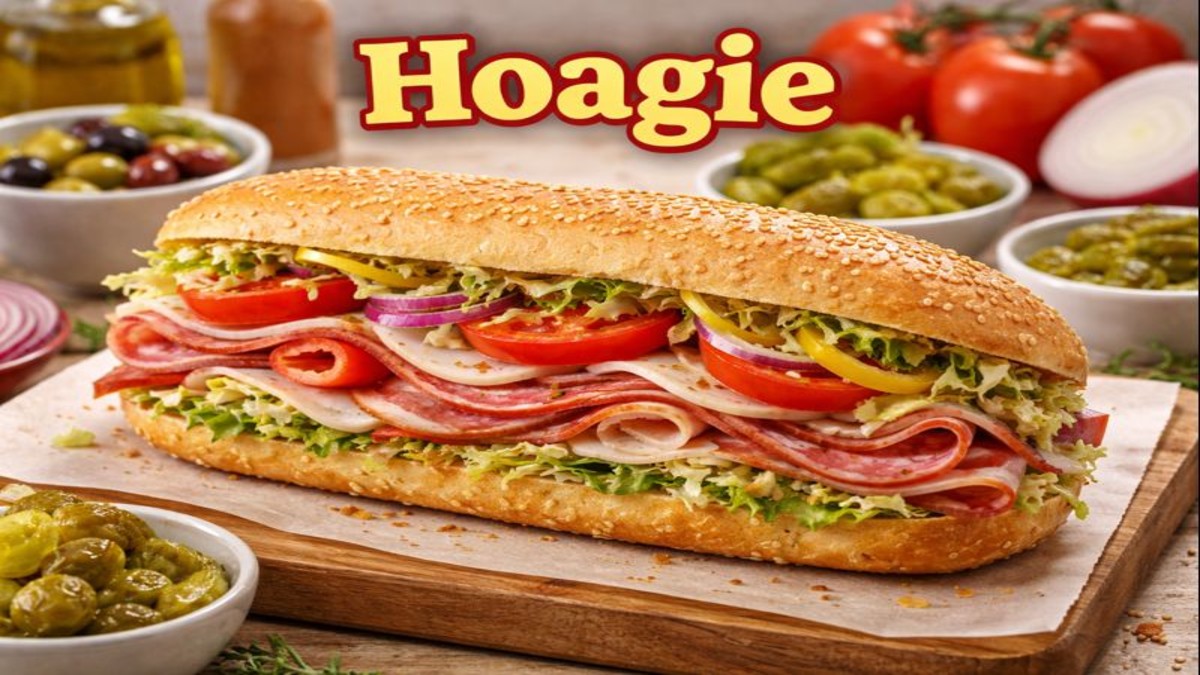
A hoagie is a long sandwich made from a soft, crusty roll filled with meats, cheeses, vegetables, and condiments. Its distinctiveness lies in the variety of fillings, the freshness of ingredients, and the balance of textures and flavors. Often called a sub, grinder, or hero in different regions, the hoagie has a strong identity, particularly in Philadelphia.
Origins of the Hoagie
The hoagie traces its roots back to Italian immigrants in the early 20th century. Initially known as the “hokey sandwich” or “Italian sandwich,” it was popular among workers in shipyards and factories. Over time, the sandwich evolved into the classic hoagie, celebrated for its versatility and flavor.
Ingredients of a Classic Hoagie
Bread Selection
The foundation of a hoagie is its bread. Traditional hoagie rolls are long, soft inside, and slightly crusty outside. Quality bread ensures the sandwich holds fillings without becoming soggy.
Meats and Cheeses
Popular meats include ham, salami, turkey, roast beef, and chicken. Cheeses like provolone, American, or Swiss complement the meats, adding creaminess and depth of flavor.
Fresh Vegetables
Crisp vegetables bring balance and freshness. Common additions are lettuce, tomatoes, onions, cucumbers, and peppers. Pickles and olives may also be included.
Condiments and Seasonings
Mayonnaise, mustard, oil and vinegar, and Italian herbs enhance flavor. Seasonings like salt, pepper, oregano, and chili flakes create the signature hoagie taste.
Variations of Hoagies
Italian Hoagie
The Italian hoagie is classic, filled with Italian cold cuts, provolone cheese, lettuce, tomato, onions, and Italian dressing. It’s tangy, savory, and deeply satisfying.
Turkey or Chicken Hoagie
Turkey and chicken hoagies are lighter options, often paired with Swiss cheese, lettuce, tomato, and mayo. These versions are perfect for a wholesome lunch.
Vegetarian Hoagie
For plant-based eaters, vegetarian hoagies feature roasted vegetables, hummus, cheese, and greens. They are colorful, nutritious, and flavorful.
Regional Twists
Different areas of the U.S. have unique hoagie styles. For example, Philadelphia hoagies focus on Italian meats, while New England may use local ingredients like lobster or turkey.
Preparation and Serving
Assembling the Hoagie
Layering ingredients carefully is key. Start with a base of meats, add cheese, then fresh vegetables, and finally drizzle with dressings. Proper layering prevents sogginess and ensures every bite is balanced.
Toppings and Dressing
Toppings enhance flavor and texture. From spicy peppers to tangy pickles, thoughtful additions can elevate the sandwich. Dressing should complement, not overpower, the ingredients.
Presentation Tips
A hoagie is best served sliced diagonally with a garnish of fresh greens or a pickle on the side. Wrapping it tightly preserves freshness if serving later.
Hoagies in American Culture
Popularity Across the United States
Hoagies are beloved nationwide. Known for being filling, convenient, and versatile, they are a favorite for lunches, picnics, and casual dining.
Hoagie Shops and Delis
Specialty hoagie shops, particularly in Pennsylvania, offer fresh, high-quality sandwiches. Many delis take pride in crafting hoagies with homemade bread and house-made dressings.
Hoagie in Local Traditions
In Philadelphia, the hoagie is a cultural staple, often celebrated with local festivals and events. Schools, offices, and family gatherings frequently feature hoagies as a crowd-pleaser.
Nutritional Value
Calorie and Protein Content
A typical hoagie ranges from 400-800 calories depending on fillings. It provides protein from meats and cheese, fiber from vegetables, and carbohydrates from the bread.
Healthy Hoagie Options
Health-conscious options include whole-grain rolls, lean meats, low-fat cheese, and abundant vegetables. Dressing and condiments can be used sparingly.
Conclusion
The hoagie is a timeless American sandwich, combining flavor, convenience, and versatility. From its Italian immigrant roots to modern deli menus, the hoagie has earned a special place in culinary culture. Whether classic, vegetarian, or creatively modern, hoagies continue to delight food lovers across the nation. Mastering this sandwich at home or savoring it at a local deli allows anyone to experience the rich flavors and tradition of this iconic American meal.
FAQs
1. What is a hoagie?
A hoagie is a long sandwich filled with meats, cheese, vegetables, and condiments, popular in the United States.
2. Where did the hoagie originate?
Hoagies originated in Philadelphia among Italian immigrants in the early 20th century.
3. What are common hoagie fillings?
Typical fillings include ham, salami, turkey, roast beef, cheese, lettuce, tomatoes, onions, and condiments.
4. Are there vegetarian hoagies?
Yes, vegetarian hoagies feature roasted vegetables, cheese, hummus, and fresh greens.
5. How can I make a hoagie at home?
Use fresh bread, layer meats and cheese, add vegetables, drizzle condiments, and slice diagonally for perfect homemade hoagies.

How to Pay Employees in Your Small Business: Simple Steps That Get It Right

How to Do Market Research for Small Business: Simple Steps That Find Your Customers

How to Start a Tutoring Business: Simple Steps That Turn Your Knowledge Into Income

How to Create a Digital Product to Sell: A Simple Guide for Small Business Beginners

Christmas Marketing Ideas for Small Businesses: Simple Ways to Win Festive Customers

Benefit of Sole Proprietorship: Simple Advantages That Make Starting Easy

Grant Funding for Small Businesses: A Simple Guide to Finding and Winning Grants

Business Loans for New Business: A Simple Guide That Gets You Funded

Small Business Content Calendar: A Simple Guide That Keeps Your Posts on Track

How to Start a Freelance Business: Simple Steps That Turn Your Skills Into Income

How to Repurpose Blog Content for Social Media Without Starting From Scratch

How to Write a Simple Business Plan for Your Small Business: A Practical Guide That Gets You Started
How to Handle Customer Complaints in a Small Business: A Calm, Practical Guide That Turns Problems Into Loyalty

How to Create a Small Business Content Marketing Plan That Actually Gets Results

How to Create a Content Calendar for a Small Business

How to Write a Professional Business Email That Gets a Reply

How to Set SMART Goals for a Small Business: A Practical Guide That Actually Works

How to Set Up a Simple Referral Program for Your Small Business: A Beginner’s Guide That Brings in New Customers

How to Write a Business Proposal for Your Small Business: A Simple Guide That Wins Clients

How to Get More Clients for Your Business: Simple Ways That Actually Work

How to Pay Employees in Your Small Business: Simple Steps That Get It Right

How to Do Market Research for Small Business: Simple Steps That Find Your Customers

How to Start a Tutoring Business: Simple Steps That Turn Your Knowledge Into Income

How to Create a Digital Product to Sell: A Simple Guide for Small Business Beginners

Christmas Marketing Ideas for Small Businesses: Simple Ways to Win Festive Customers

Benefit of Sole Proprietorship: Simple Advantages That Make Starting Easy

Grant Funding for Small Businesses: A Simple Guide to Finding and Winning Grants

Business Loans for New Business: A Simple Guide That Gets You Funded

Small Business Content Calendar: A Simple Guide That Keeps Your Posts on Track

How to Start a Freelance Business: Simple Steps That Turn Your Skills Into Income
Trending
entertainment1 year agoPYT Telegram: A Complete Guide to Understanding, Using, and Maximizing It
entertainment1 year agoOnionFlix: Everything You Need to Know About This Streaming Website
education1 year agoHow to Become a Software Engineer: A Complete Guide
others1 year agoNook vs Kindle: Which E-Reader Is Right for You?