
business
How to Accept Payments for Small Business: A Simple Guide That Gets You Paid Faster

Getting paid should be the easy part of running a small business. You did the work, the customer is happy, and now the money should follow. Yet many small businesses lose sales and waste hours simply because paying them is awkward. The card machine is not set up, the bank details are buried in an email, or the only option is cash on a day the customer has none.
Learning how to accept payments for small business is really about removing friction. When paying you is simple, customers pay faster, they come back more often, and you spend less time chasing money. This guide walks through the main small business payment options, how to choose between them, and how to set each one up without getting lost in fees and jargon.
Offer more than one way to pay
The first rule is simple: give customers a choice. Some people love paying by card, others prefer a bank transfer, and some still like cash. If you only accept one method, every customer who prefers another has a reason to hesitate.
You do not need every option on day one. Start with the two or three that fit how your customers actually buy from you. A shop needs card payments at the till. An online seller needs a payment link or checkout. A freelancer mainly needs bank transfer and a card link for clients who ask for it. Add more options as you grow, but cover the basics first so no sale is lost over payment.
Accept card payments in person
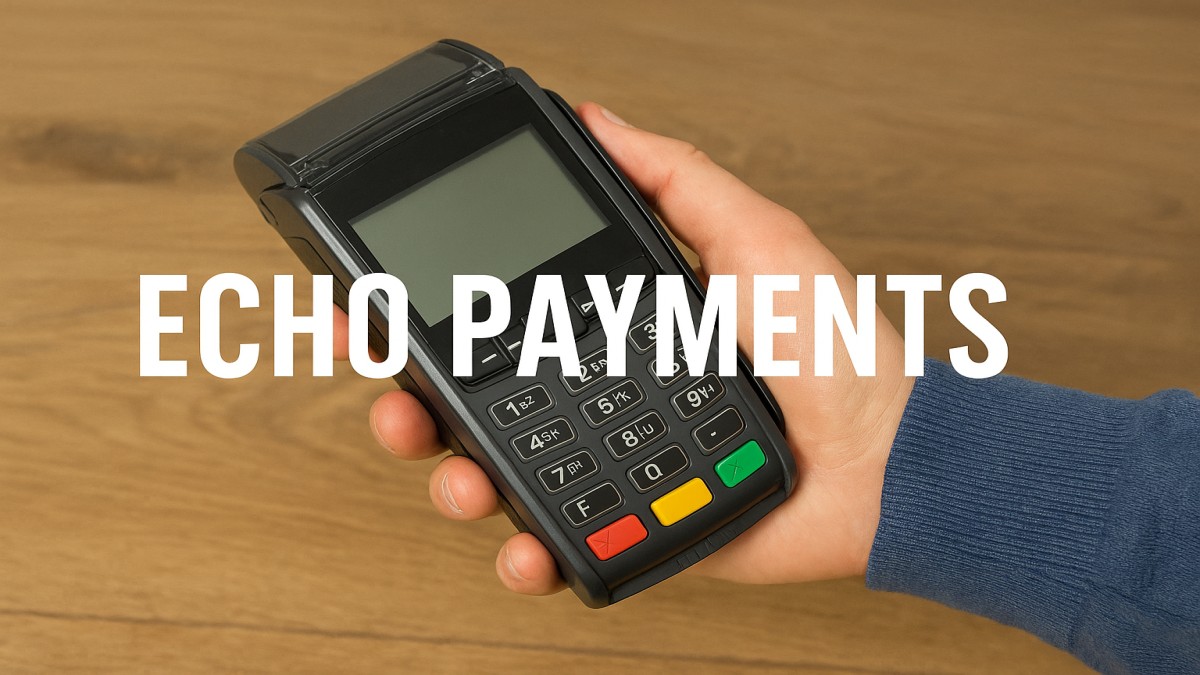
Card payments are now the default for most face-to-face sales. A small card reader that connects to your phone is usually enough to start. You buy or rent the reader, download the provider’s app, link your bank account, and you can take payments the same day.
Look at the fee per transaction before you choose a provider. Most charge a small percentage of each sale, often around 1.5 to 2 percent, with no monthly fee for the simplest plans. That is usually worth it: customers spend more when paying by card, and you avoid handling and banking cash. Keep the reader charged, test it before opening, and always offer a receipt, even a simple emailed one.
Accept payments online
If you sell through a website or social media, you need a way to accept online payments for small business. The simplest option is a payment link: you create a link for an amount, send it to the customer by message or email, and they pay by card. No website checkout is needed.
If you already have a website, adding a checkout button or a simple online shop is the next step. Customers enter their card details on a secure page and the money lands in your account, usually within a couple of working days. Whichever route you take, make sure the payment page shows your business name clearly, so customers are never unsure who they are paying.
Bank transfers and direct payments
Bank transfer is still one of the cheapest ways to get paid, especially for larger invoices. There is usually no percentage fee, just your normal bank charges, if any. Put your bank details on every invoice in plain sight, with the invoice number as the reference, so payments are easy to match.
The downside is speed and follow-up. Transfers take a day or two, and customers sometimes forget. That is why bank transfer works best alongside a card option, not instead of it. Give customers the choice, and many will pick the transfer for big amounts and the card for quick ones.
How to accept credit card payments for small business without a till
You do not need a shop or a till to take card payments. Many small businesses take them over the phone, by payment link, or through a card reader at a market stall or a customer’s home. The card reader is the most flexible choice: it works anywhere you have a phone signal, and it handles contactless, chip and PIN, and phone wallets like Apple Pay and Google Pay.
If you take card details over the phone, write down only what you need, process the payment straight away, and never store full card numbers on paper or in a spreadsheet. Keeping card details safe is not just good practice; it protects your customers and your reputation.
Keep fees and records under control
Every payment method has a cost, and the cheapest headline rate is not always the cheapest overall. A provider with a low percentage fee but a monthly charge can cost more than a slightly higher percentage with no monthly fee, if your sales are small. Work out what you would pay in a typical month before you sign up, and check for extra charges on refunds, chargebacks, or international cards.
Records matter just as much. Note every payment against its invoice or order the day it arrives. A simple spreadsheet is enough at the start: date, customer, amount, method, and invoice number. Good records make tax time easier, show you which payment methods your customers actually use, and help you spot a missing payment before it becomes a problem.
Make paying you effortless
The best way to accept payments for small business is the way your customers find easiest. Put your payment options on your website, your invoices, and your social media profiles, so nobody has to ask. Send a payment link with every invoice instead of waiting for the customer to ask for one. Confirm payment quickly with a short thank-you message, which also gives the customer a record.
Test the whole process yourself at least once: buy from your own shop, pay your own link, and check how it feels. If anything is confusing, slow, or unclear, fix it before a customer hits the same problem. A smooth payment experience is part of good service, not an afterthought.
Conclusion
You do not need a complicated setup to get paid properly. A card reader, a payment link, and bank transfer details cover most small businesses, and you can add more options as you grow. Choose methods your customers already like, keep the fees honest, and keep simple records. When paying you is easy, customers pay faster, and you get back to the work that actually grows the business.

How to Register a Small Business: A Simple Guide That Gets You Started Properly

How to Manage Inventory for Small Business: A Simple Guide That Keeps Stock in Order

Small Business Customer Service Tips: A Simple Guide That Keeps Customers Coming Back
How to Accept Payments for Small Business: A Simple Guide That Gets You Paid Faster

How to Advertise Your Small Business Online: A Simple Guide That Brings Customers Without a Big Budget

How to Hire Employees for Small Business: A Simple Guide That Finds Good People

Small Business Bookkeeping Tips: A Simple Guide That Keeps Your Money in Order

Branding Tips for Small Businesses: A Simple Guide That Makes You Memorable

Lead Magnet Ideas for Small Business: A Simple Guide That Grows Your Email List
How to Do a Small Business Competitive Analysis: A Simple Guide That Finds Your Edge

How to Repurpose Blog Content for Social Media Without Starting From Scratch

How to Write a Professional Business Email That Gets a Reply
How to Handle Customer Complaints in a Small Business: A Calm, Practical Guide That Turns Problems Into Loyalty

How to Set SMART Goals for a Small Business: A Practical Guide That Actually Works
How to Create a Content Calendar for a Small Business
How to Create a Small Business Content Marketing Plan That Actually Gets Results
How to Track Small Business Expenses: A Simple System That Keeps Your Money in Order
How to Set Up a Simple Referral Program for Your Small Business: A Beginner’s Guide That Brings in New Customers
How to Write a Mission Statement for Small Business That Guides Every Decision
How to Write Meeting Notes That People Actually Use
How to Register a Small Business: A Simple Guide That Gets You Started Properly
How to Manage Inventory for Small Business: A Simple Guide That Keeps Stock in Order
Small Business Customer Service Tips: A Simple Guide That Keeps Customers Coming Back
How to Accept Payments for Small Business: A Simple Guide That Gets You Paid Faster
How to Advertise Your Small Business Online: A Simple Guide That Brings Customers Without a Big Budget
How to Hire Employees for Small Business: A Simple Guide That Finds Good People
Small Business Bookkeeping Tips: A Simple Guide That Keeps Your Money in Order
Branding Tips for Small Businesses: A Simple Guide That Makes You Memorable
Lead Magnet Ideas for Small Business: A Simple Guide That Grows Your Email List
How to Do a Small Business Competitive Analysis: A Simple Guide That Finds Your Edge

 entertainment1 year ago
PYT Telegram: A Complete Guide to Understanding, Using, and Maximizing It

 entertainment1 year ago
OnionFlix: Everything You Need to Know About This Streaming Website
- education1 year ago
How to Become a Software Engineer: A Complete Guide
- others1 year ago
Nook vs Kindle: Which E-Reader Is Right for You?





