food
Lotus Root: The Crunchy Superfood You Need in Your Diet

Introduction
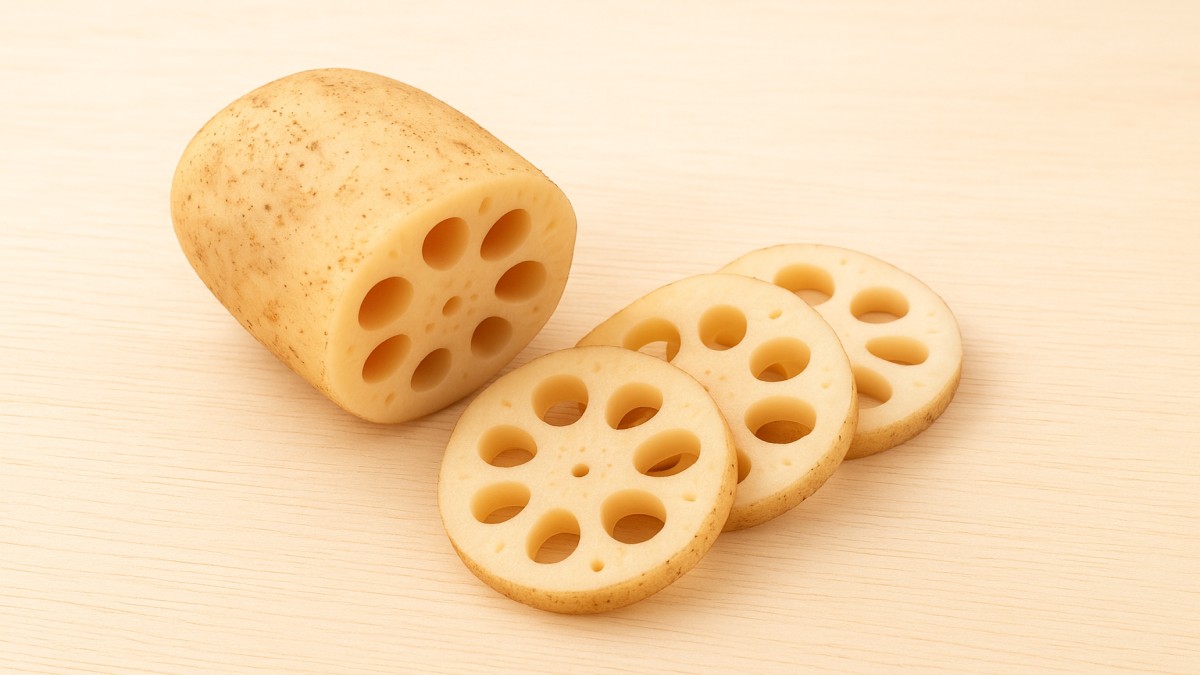
If you’ve ever seen a sliced lotus root, you’ve probably admired its beautiful pattern a series of perfect holes that look like delicate lace. But lotus root isn’t just pretty; it’s one of the most nutritious and versatile vegetables you can eat. Crisp, slightly sweet, and full of fiber, lotus root has been a staple in Asian cuisines for centuries and is now gaining popularity worldwide as a superfood.
What Is Lotus Root?
Lotus root, scientifically known as Nelumbo nucifera, is the edible rhizome (or underground stem) of the lotus plant. It grows in muddy ponds and lakes, producing the iconic lotus flower on the surface. The root itself looks like a long, segmented tube, and when sliced, it reveals a unique circular pattern with holes almost like a natural piece of art.
The History and Cultural Significance of Lotus Root
The lotus plant has deep roots (literally and spiritually) in Asian culture. In Buddhism and Hinduism, the lotus symbolizes purity, enlightenment, and rebirth, as it grows beautifully even in muddy water. In China, it’s considered a symbol of harmony and prosperity and is often served during festivals or family gatherings for good luck.
Nutritional Profile of Lotus Root
Lotus root is not only delicious but also packed with nutrients. A 100-gram serving provides:
- Calories: 74
- Carbohydrates: 17g
- Protein: 2.6g
- Fiber: 4.9g
- Vitamin C: 73% of the daily value
- Potassium: 556mg
- Iron, magnesium, and B vitamins
This makes lotus root a low-calorie, high-fiber food that supports both wellness and energy.
Health Benefits of Lotus Root
1. Boosts Immunity
Thanks to its high vitamin C content, lotus root strengthens the immune system, helping your body fight off colds and infections. Vitamin C also supports collagen production for healthy skin.
2. Supports Healthy Digestion
Rich in dietary fiber, lotus root promotes smooth digestion, prevents constipation, and nourishes gut bacteria for better digestive health.
3. Improves Blood Circulation
Lotus root contains iron and copper, essential for red blood cell production. Better blood circulation means improved energy and vitality.
4. Helps with Weight Management
Its high fiber and water content help you feel full longer, reducing cravings and supporting weight control. Plus, it’s low in calories — a dieter’s dream!
5. Promotes Skin and Hair Health
The antioxidants in lotus root, including vitamin C and polyphenols, combat free radicals that cause premature aging, keeping your skin radiant and hair strong.
Lotus Root in Traditional Medicine
For centuries, lotus root has been used in Ayurvedic and Traditional Chinese Medicine (TCM).
- In TCM, it’s believed to cool the body, reduce inflammation, and stop bleeding.
- In Ayurveda, it’s used to balance digestion and detoxify the body.
Lotus root juice is also a common home remedy for nosebleeds, coughs, and fevers.
How to Prepare and Cook Lotus Root
Before cooking, peel the lotus root and soak it in vinegar water to prevent discoloration. Then slice, dice, or shred it depending on your recipe. Here are some popular ways to enjoy it:
1. Stir-Fried Lotus Root
Quick and crunchy, stir-fried lotus root pairs perfectly with garlic, soy sauce, and sesame oil. Add bell peppers or mushrooms for color and flavor.
2. Lotus Root Soup
A comforting dish in Chinese households, lotus root soup is made with pork ribs, peanuts, and dates — rich in nutrients and full of umami.
3. Pickled Lotus Root
Marinated in vinegar, sugar, and chili, pickled lotus root is a tangy side dish that adds a refreshing crunch to any meal.
4. Lotus Root Chips
Thinly sliced, seasoned, and baked or fried — lotus root chips are a healthy alternative to potato chips.
Conclusion
Lotus root is more than just an exotic vegetable — it’s a nutritional powerhouse packed with vitamins, minerals, and antioxidants. Whether stir-fried, pickled, or baked into chips, it brings both beauty and health to your plate. So next time you see those elegant holes peeking through a slice, remember — you’re not just eating a root, you’re savoring centuries of tradition, health, and flavor.
FAQs
1. Can you eat lotus root raw?
Yes, but it should be cleaned properly and soaked in vinegar water to prevent oxidation.
2. Is lotus root good for diabetics?
In moderation, yes. Its fiber content helps manage blood sugar levels.
3. How does lotus root taste?
It’s mildly sweet and crunchy, similar to water chestnuts or jicama.
4. Can I freeze lotus root?
Yes, but blanch it first to maintain texture and color.
5. Is lotus root a carb or a vegetable?
It’s a starchy vegetable rich in complex carbohydrates and fiber.

Best Apps to Make Money Online USA (2026 Guide)

How to Start Affiliate Marketing with No Money

Freelance Jobs for Beginners USA (Start with No Experience)

Side Hustle Ideas from Home USA (No Experience Needed) – Beginner’s Guide

Online Jobs from Home USA (Daily Pay) – Start Earning Instantly

Beton Celular Autoclavizat: The Future of Lightweight, Eco-Friendly Construction

Goblets: A Timeless Symbol of Elegance and Celebration

AI Tools for Making Money Online Free (Best 2026 Guide)

Passive Income Apps USA Free: Earn Money Effortlessly in 2026

How to Earn Money from Home Without Investment

Ishraq Time in Delhi: What It Is, When It Happens, and Why It Matters
Beton Celular Autoclavizat: The Future of Lightweight, Eco-Friendly Construction

Read OPM Manga Online: Where and How to Enjoy One Punch Man Legally

Technisches Gymnasium: Your Gateway to Engineering and Technology

Why Every Small Business Needs a Digital Marketing Agency
Goblets: A Timeless Symbol of Elegance and Celebration

Gold Shower: Nature’s Cascading Yellow Wonder

The Indian Bow: A Legacy of Precision, Power, and Tradition

Robert Provost: A Life of Leadership, Community, and Vision

Are Political Donations Tax Deductible?
Best Apps to Make Money Online USA (2026 Guide)
How to Start Affiliate Marketing with No Money
Freelance Jobs for Beginners USA (Start with No Experience)
Side Hustle Ideas from Home USA (No Experience Needed) – Beginner’s Guide
Online Jobs from Home USA (Daily Pay) – Start Earning Instantly
Beton Celular Autoclavizat: The Future of Lightweight, Eco-Friendly Construction
Goblets: A Timeless Symbol of Elegance and Celebration
AI Tools for Making Money Online Free (Best 2026 Guide)
Passive Income Apps USA Free: Earn Money Effortlessly in 2026
How to Earn Money from Home Without Investment

 entertainment7 months ago
PYT Telegram: A Complete Guide to Understanding, Using, and Maximizing It

 entertainment7 months ago
OnionFlix: Everything You Need to Know About This Streaming Website
- others6 months ago
Nook vs Kindle: Which E-Reader Is Right for You?
- gaming7 months ago
Melisandre: The Enigmatic Priestess of Game of Thrones