others
Mill Food Recycler – The Smart Way to Reduce Food Waste

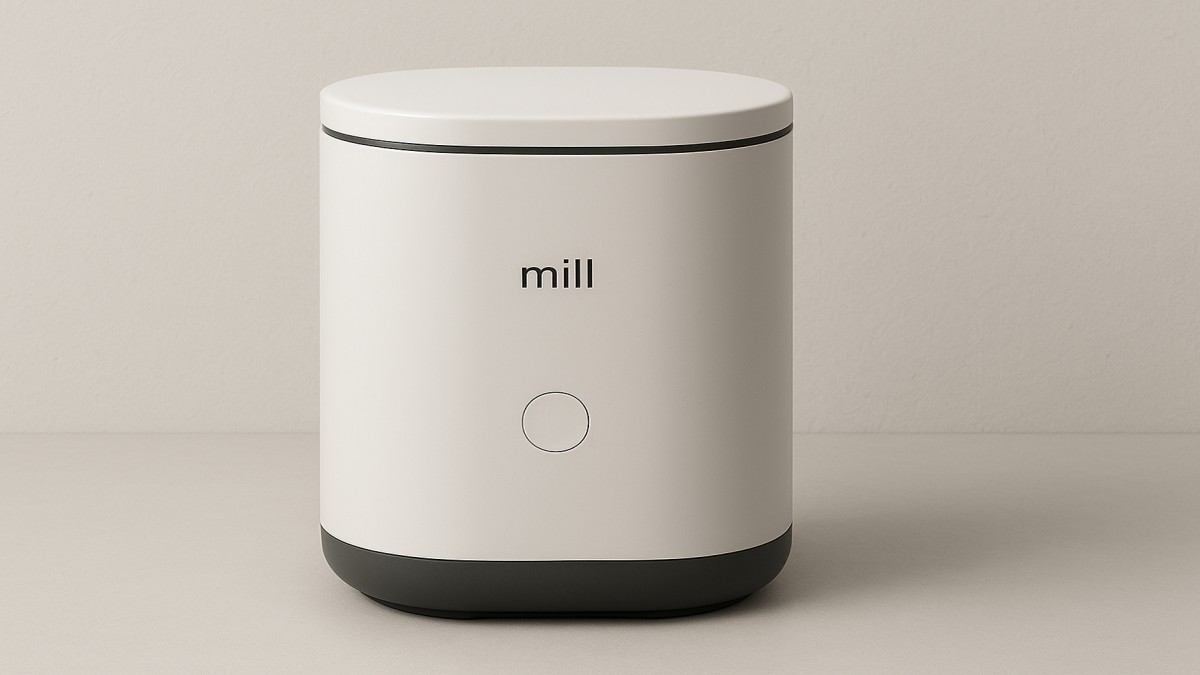
Mill Food Recycler. Food waste is one of the biggest global challenges today. From leftovers to spoiled vegetables, households throw away tons of food every year. The Mill food recycler aims to change that by turning kitchen scraps into reusable material right from your home. If you want a cleaner, greener, and smarter way to deal with food waste, the Mill food recycler might be exactly what you need.
Introduction to Mill Food Recycler
What Is a Mill Food Recycler?
A Mill food recycler is an advanced kitchen appliance that dries, grinds, and transforms your food scraps into nutrient-rich grounds. Instead of letting food rot in garbage bins, the Mill recycler turns it into a form that can be used for animal feed or composting.
Why Food Recycling Matters
Food waste contributes heavily to methane emissions, one of the most harmful greenhouse gases. By recycling food at home, you help reduce landfill waste and create a more sustainable lifestyle.
How the Mill Food Recycler Works
Drying Technology
The Mill uses heat and airflow to remove moisture from food scraps, reducing volume and weight.
Grinding and Odor Control
After drying, the food is ground into a fine, odorless material. Sealed chambers ensure your kitchen smells fresh.
App Integration
Through the Mill app, you can track your waste, check alerts, and manage your device easily.
Key Features of Mill Food Recycler
Automatic Food Drying
Just toss in your scraps, and the Mill does the rest—no need to empty it daily.
Odor-Free Operation
Special filters trap smells, keeping the environment clean.
Energy Efficiency
Despite its powerful functions, the Mill is designed to use low energy.
Safety Features
Child-locks, heat control, and auto shut-off ensure safe operation at all times.
Benefits of a Mill Food Recycler
Reduces Food Waste
Transforming leftovers into nutrient-rich grounds helps decrease landfill waste significantly.
Eco-Friendly and Sustainable
You contribute to a cleaner planet by lowering methane emissions and supporting a circular food system.
Saves Space and Time
The unit can hold several days’ worth of scraps without needing constant emptying or attention.
Ideal for Home and Business Use
Homes, restaurants, and cafes benefit from a cleaner, more efficient waste-management solution.
What Can You Put in a Mill Food Recycler?
Accepted Food Types
The Mill food recycler can process:
- Fruits
- Vegetables
- Cooked leftovers
- Meat and dairy scraps
- Bread and grains
Things to Avoid
- Packaging materials
- Plastics
- Large bones
- Liquids like oil or soup
Mill Food Recycler vs. Traditional Composting
Speed Comparison
Composting can take weeks or months, while the Mill recycler processes food overnight.
Maintenance Differences
Traditional composting requires turning piles, dealing with pests, and balancing materials. The Mill does everything automatically with no mess.
Cost and Maintenance Requirements
Subscription Models
The Mill service often includes a subscription for:
- Filter replacements
- Device support
- Waste collection services
Cleaning and Upkeep
Maintenance is minimal—just occasionally clean the collection bin and replace filters as needed.
How Mill Food Recycler Supports the Environment
Lower Carbon Footprint
By processing waste at home, transport-based emissions are reduced.
Waste-to-Feed Cycle
Mill partners convert food grounds into animal feed, promoting a closed-loop system.
Is the Mill Food Recycler Worth It?
Pros
- Helps reduce food waste
- Easy to use
- Odor-free
- Eco-friendly
Cons
- Initial cost can be high
- Requires subscription
- Not suitable for large-scale industrial waste
Who Should Consider Buying a Mill Food Recycler?
Families
Perfect for families generating daily food scraps.
Restaurants and Cafes
Reduces waste volume and keeps kitchens cleaner.
Eco-Conscious Consumers
Ideal for anyone focused on sustainable living.
Future of Food Waste Management
Devices like the Mill food recycler represent a new era of smart waste management. As technology advances, household food recycling will become more efficient, accessible, and mainstream.
Conclusion
The Mill food recycler is more than just a kitchen gadget—it’s a step toward a cleaner, greener future. With its advanced drying, grinding, and odor-control technology, it transforms everyday scraps into useful material while reducing environmental impact. Whether you want a smarter home or a more sustainable lifestyle, the Mill is a powerful tool for fighting food waste.
FAQs
- Does the Mill food recycler require a subscription?
Yes, most models come with subscription services for filters and waste collection. - Is the Mill food recycler noisy?
It operates quietly, similar to a dishwasher. - How often do I need to empty the bin?
Usually once every few days, depending on your household size. - Can it process meat and dairy?
Yes, unlike composting, the Mill can handle most food scraps. - Is it safe to use in homes with kids?
Absolutely—it includes safety locks and automatic shut-off.

Dobutamine: Uses, Mechanism, Dosage, and Side Effects
Nopdle Magazine: Redefining Creative Culture Through Curated Innovation

Shop Easter Basket: The Ultimate Guide to Perfect Easter Gifts

Best Apps to Make Money Online USA (2026 Guide)

How to Start Affiliate Marketing with No Money

Freelance Jobs for Beginners USA (Start with No Experience)

Side Hustle Ideas from Home USA (No Experience Needed) – Beginner’s Guide

Online Jobs from Home USA (Daily Pay) – Start Earning Instantly

Beton Celular Autoclavizat: The Future of Lightweight, Eco-Friendly Construction

Goblets: A Timeless Symbol of Elegance and Celebration
Dobutamine: Uses, Mechanism, Dosage, and Side Effects

Ishraq Time in Delhi: What It Is, When It Happens, and Why It Matters
Beton Celular Autoclavizat: The Future of Lightweight, Eco-Friendly Construction

Read OPM Manga Online: Where and How to Enjoy One Punch Man Legally

Technisches Gymnasium: Your Gateway to Engineering and Technology

Why Every Small Business Needs a Digital Marketing Agency
Goblets: A Timeless Symbol of Elegance and Celebration
Nopdle Magazine: Redefining Creative Culture Through Curated Innovation

Gold Shower: Nature’s Cascading Yellow Wonder

The Indian Bow: A Legacy of Precision, Power, and Tradition
Dobutamine: Uses, Mechanism, Dosage, and Side Effects
Nopdle Magazine: Redefining Creative Culture Through Curated Innovation
Shop Easter Basket: The Ultimate Guide to Perfect Easter Gifts
Best Apps to Make Money Online USA (2026 Guide)
How to Start Affiliate Marketing with No Money
Freelance Jobs for Beginners USA (Start with No Experience)
Side Hustle Ideas from Home USA (No Experience Needed) – Beginner’s Guide
Online Jobs from Home USA (Daily Pay) – Start Earning Instantly
Beton Celular Autoclavizat: The Future of Lightweight, Eco-Friendly Construction
Goblets: A Timeless Symbol of Elegance and Celebration

 entertainment7 months ago
PYT Telegram: A Complete Guide to Understanding, Using, and Maximizing It

 entertainment7 months ago
OnionFlix: Everything You Need to Know About This Streaming Website
- others6 months ago
Nook vs Kindle: Which E-Reader Is Right for You?
- gaming7 months ago
Melisandre: The Enigmatic Priestess of Game of Thrones