others
Sombrero – The Iconic Hat with Culture, History, and Style

Introduction to the Sombrero
When you think of a wide-brimmed hat that instantly brings sunshine, music, and tradition to mind, the sombrero probably tops the list. More than just a hat, the sombrero is a powerful cultural symbol that represents history, identity, and practicality all rolled into one stylish piece of headwear.
What Is a Sombrero?
A sombrero is a traditional hat known for its wide brim and high crown. It is designed primarily to provide shade and protection from intense sunlight. While commonly associated with Mexico, sombreros exist in various forms across Spanish-speaking cultures.
Why the Sombrero Is World-Famous
The sombrero gained global recognition through movies, music, festivals, and cultural celebrations. Its bold shape and cultural roots make it instantly recognizable, even to people who’ve never worn one.
Origin and History of the Sombrero
Meaning of the Word “Sombrero”
The word sombrero comes from the Spanish word sombra, meaning “shade.” That alone tells you exactly why it was created—to protect the wearer from the sun.
Early Uses in Rural Life
Sombreros were originally worn by farmers, shepherds, and horse riders. Working long hours outdoors under harsh sunlight made wide-brimmed hats a necessity rather than a fashion choice.
Spanish and Mexican Influence
While the design has Spanish roots, Mexico embraced and transformed the sombrero into a national symbol, refining its shape, decoration, and craftsmanship.
Traditional Design of a Sombrero
Wide Brim Purpose
The oversized brim shields the face, neck, and shoulders from direct sunlight. It’s like carrying your own portable shade wherever you go.
High Crown Structure
The tall crown allows airflow and helps keep the head cool. It also adds the iconic silhouette that makes sombreros stand out.
Materials Used in Traditional Sombreros
Traditional sombreros are made from:
- Straw
- Felt
- Palm leaves
- Wool
Handcrafted sombreros often take days or weeks to complete.
Types of Sombreros
Mexican Sombrero
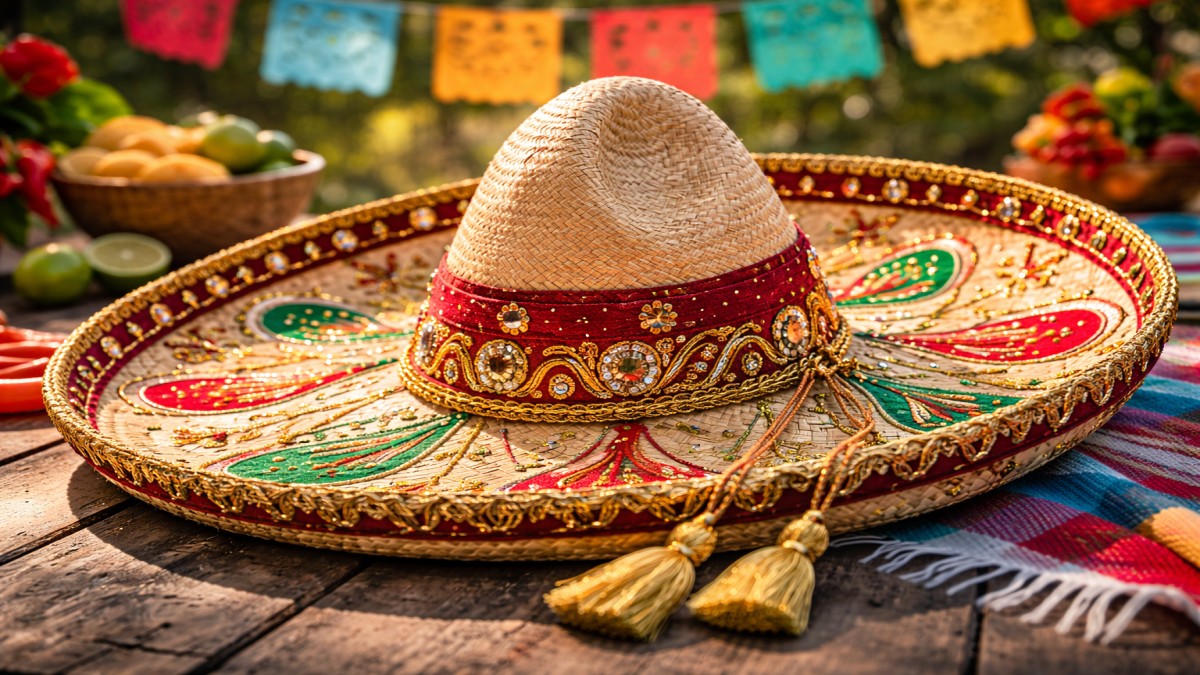
The most famous type, often decorated with embroidery, colorful threads, and bold designs.
Sombrero Vueltiao
A traditional Colombian hat made from cane fibers, known for its black-and-white patterns.
Charro Sombrero
Worn by mariachi musicians and horsemen, these are more structured and often highly decorative.
Modern Fashion Sombreros
Today’s sombreros blend tradition with modern fashion, appearing in festivals, beachwear, and runway designs.
Cultural Significance of the Sombrero
Sombrero in Mexican Identity
In Mexico, the sombrero represents pride, heritage, and tradition. It’s commonly worn during national celebrations and folk dances.
Role in Festivals and Celebrations
From Cinco de Mayo to cultural parades, sombreros are worn as symbols of joy and celebration.
Symbolism in Art and Media
Movies, cartoons, and music videos often use sombreros to instantly convey Latin culture and festive energy.
How Sombreros Are Made
Handcrafted Techniques
Many traditional sombreros are handmade using age-old techniques passed down through generations.
Weaving and Shaping Process
Artisans carefully weave materials, shape the brim, and decorate the hat, ensuring both durability and beauty.
Practical Uses of the Sombrero
Protection from Sun and Heat
The sombrero is incredibly effective in hot climates, reducing sun exposure and preventing heat-related discomfort.
Comfort for Farmers and Riders
For people working outdoors, sombreros provide comfort, shade, and long-lasting wear.
Sombrero in Modern Fashion
Global Style Influence
Designers around the world have adopted sombrero-inspired hats, blending traditional form with modern trends.
Sombrero as a Fashion Statement
Today, sombreros are worn not just for function but for style—at music festivals, beaches, and cultural events.
Sombrero vs Other Hats
Differences in Design
Unlike caps or fedoras, sombreros offer full sun coverage thanks to their wide brims.
Why the Sombrero Stands Out
Its size, shape, and cultural depth make it more than just an accessory—it’s a statement.
Caring for a Sombrero
Cleaning Tips
- Gently brush off dust
- Avoid soaking
- Use dry cleaning methods for felt sombreros
Proper Storage
Store in a cool, dry place and avoid crushing the brim to maintain its shape.
Conclusion
The sombrero is far more than a traditional hat—it’s a symbol of culture, resilience, and smart design. Born from the need for shade and comfort, it evolved into a global icon that blends history with style. Whether worn for protection, tradition, or fashion, the sombrero continues to stand tall, just like the cultures that made it famous.
FAQs
1. What is the main purpose of a sombrero?
To provide shade and protect from strong sunlight.
2. Are sombreros only worn in Mexico?
No, they are worn in various cultures across Latin America and beyond.
3. What materials are used to make sombreros?
Straw, felt, wool, palm leaves, and cane fibers.
4. Is wearing a sombrero considered cultural appreciation?
Yes, when worn respectfully and with understanding of its cultural roots.
5. Can sombreros be used as fashion accessories?
Absolutely. Modern designs make them popular worldwide.

Dobutamine: Uses, Mechanism, Dosage, and Side Effects

Nopdle Magazine: Redefining Creative Culture Through Curated Innovation

Shop Easter Basket: The Ultimate Guide to Perfect Easter Gifts

Best Apps to Make Money Online USA (2026 Guide)

How to Start Affiliate Marketing with No Money

Freelance Jobs for Beginners USA (Start with No Experience)

Side Hustle Ideas from Home USA (No Experience Needed) – Beginner’s Guide

Online Jobs from Home USA (Daily Pay) – Start Earning Instantly

Beton Celular Autoclavizat: The Future of Lightweight, Eco-Friendly Construction

Goblets: A Timeless Symbol of Elegance and Celebration
Dobutamine: Uses, Mechanism, Dosage, and Side Effects

Ishraq Time in Delhi: What It Is, When It Happens, and Why It Matters
Beton Celular Autoclavizat: The Future of Lightweight, Eco-Friendly Construction

Read OPM Manga Online: Where and How to Enjoy One Punch Man Legally

Technisches Gymnasium: Your Gateway to Engineering and Technology

Why Every Small Business Needs a Digital Marketing Agency
Goblets: A Timeless Symbol of Elegance and Celebration
Nopdle Magazine: Redefining Creative Culture Through Curated Innovation

Gold Shower: Nature’s Cascading Yellow Wonder

The Indian Bow: A Legacy of Precision, Power, and Tradition
Dobutamine: Uses, Mechanism, Dosage, and Side Effects
Nopdle Magazine: Redefining Creative Culture Through Curated Innovation
Shop Easter Basket: The Ultimate Guide to Perfect Easter Gifts
Best Apps to Make Money Online USA (2026 Guide)
How to Start Affiliate Marketing with No Money
Freelance Jobs for Beginners USA (Start with No Experience)
Side Hustle Ideas from Home USA (No Experience Needed) – Beginner’s Guide
Online Jobs from Home USA (Daily Pay) – Start Earning Instantly
Beton Celular Autoclavizat: The Future of Lightweight, Eco-Friendly Construction
Goblets: A Timeless Symbol of Elegance and Celebration

 entertainment7 months ago
PYT Telegram: A Complete Guide to Understanding, Using, and Maximizing It

 entertainment7 months ago
OnionFlix: Everything You Need to Know About This Streaming Website
- others6 months ago
Nook vs Kindle: Which E-Reader Is Right for You?
- gaming7 months ago
Melisandre: The Enigmatic Priestess of Game of Thrones