food
Soppressata: The Art and Flavor of Italy’s Iconic Dry-Cured Salami
Published
1 year agoon
By
Hamari Web
Table of Contents
ToggleIntroduction
Soppressata is more than just an Italian salami—it’s a symbol of tradition, craftsmanship, and regional pride. With roots that stretch deep into Southern Italy, soppressata reflects centuries of culinary evolution and a love for preserving the finest cuts of pork in the most flavorful way. Whether enjoyed with cheese and wine or savored alone, this delicacy embodies the soul of Italian gastronomy.
What Is Soppressata
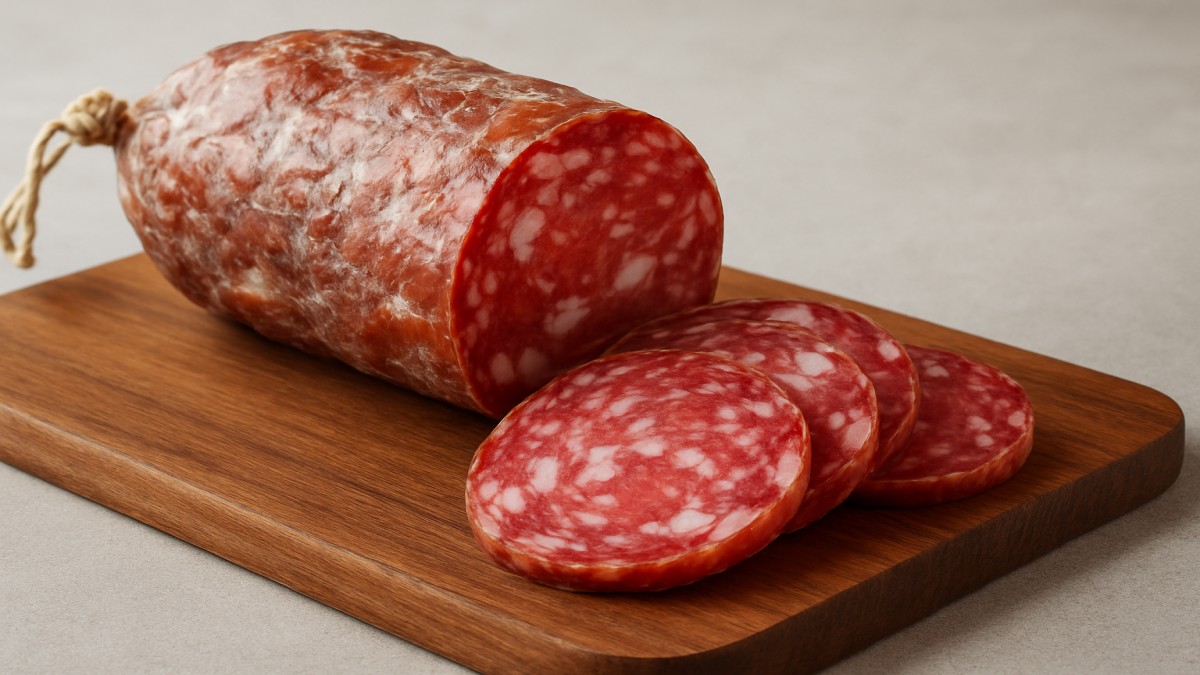
Soppressata is a type of dry-cured salami made from coarsely ground pork, seasoned with spices, and air-dried to develop a deep, rich flavor. It’s typically pressed during curing, giving it a distinctive flattened shape. There are two main types: soppressata dolce (sweet) and soppressata piccante (spicy).
The Origins of Soppressata
The story of soppressata begins in Southern Italy, particularly in regions like Calabria, Basilicata, Apulia, and Campania. Historically, Italian families prepared soppressata during the winter “pig slaughter season,” known as la maialata, to ensure meat preservation throughout the year.
Over time, each region developed its own twist, influenced by local spices, curing techniques, and environmental conditions.
Traditional Production Methods
Making soppressata is both an art and a ritual. Here’s a glimpse into the traditional process:
1. Selection of Meat
Only the best cuts—often from the leg and shoulder—are chosen. These provide a balance of lean and fat, essential for the perfect texture.
2. Grinding and Seasoning
The meat is coarsely ground and seasoned with salt, black pepper, and sometimes red chili flakes, garlic, or wine.
Regional variations play a huge role—Calabrian soppressata, for instance, is known for its fiery red hue and heat from local chili peppers.
3. Stuffing and Pressing
The mixture is packed into natural casings, tied, and lightly pressed between wooden boards to remove air and achieve that recognizable flattened shape.
4. Curing
Soppressata is hung to dry in well-ventilated rooms for 30 to 90 days, depending on the humidity and temperature. The longer the curing time, the more intense the flavor.
Regional Varieties of Soppressata
Soppressata di Calabria
Perhaps the most famous, this version is spicy, vibrant, and protected under the PDO (Protected Designation of Origin) label. It uses Calabrian chili peppers and has a bold, smoky character.
Soppressata di Basilicata
Made with coarsely ground meat and minimal seasoning, this type highlights the natural taste of pork and is often aged longer for a dense, rich profile.
Soppressata di Puglia
In Apulia, soppressata tends to be slightly sweet, often flavored with black peppercorns and garlic. It’s known for its delicate aroma and balanced fat content.
Soppressata Toscana
A less common but beloved northern variant, Tuscan soppressata may include liver and spices like nutmeg, making it distinct from southern counterparts.
The Flavor Profile
The first bite of soppressata delivers a medley of sensations—rich pork flavor, balanced saltiness, subtle tang from fermentation, and a slow-building spice.
Its firm texture and marbled fat make it ideal for pairing with rustic breads, cheeses, and robust wines.
Nutritional Information
Soppressata, like most cured meats, is rich in protein and flavor, though it’s also high in fat and sodium. In moderation, it can be part of a balanced diet.
A 1-ounce serving typically contains:
- Calories: ~150
- Protein: ~7g
- Fat: ~13g
- Sodium: ~450mg
The key is savoring it as part of a varied Mediterranean diet—quality over quantity.
Pairing Soppressata with Food and Drink
Cheese Pairings
- Aged Pecorino Romano – adds a salty, sharp contrast.
- Provolone – complements the salami’s richness.
- Fresh Mozzarella – balances the spice with its creamy texture.
Conclusion
Soppressata captures the essence of Italian culinary artistry—simple ingredients transformed through time, care, and expertise. Whether spicy or mild, rustic or refined, every bite connects us to the heart of Italy’s rich traditions. So next time you slice into a piece of soppressata, remember—you’re tasting history.
FAQs
1. What is the difference between soppressata and salami?
Soppressata is pressed, coarser, and often spicier, while salami is rounder with a finer grind.
2. How long does soppressata last?
When stored properly, whole soppressata can last for months; sliced versions should be eaten within two weeks.
3. Can soppressata be cooked?
Yes, it can be used in pasta sauces or on pizzas, though it’s traditionally eaten cured and uncooked.
4. Is soppressata gluten-free?
Most authentic soppressata is naturally gluten-free—always check labels for additives.
5. What makes Calabrian soppressata unique?
It’s famous for its bold spice from local chili peppers and carries the PDO seal protecting its authenticity.

How to Pay Employees in Your Small Business: Simple Steps That Get It Right

How to Do Market Research for Small Business: Simple Steps That Find Your Customers

How to Start a Tutoring Business: Simple Steps That Turn Your Knowledge Into Income

How to Create a Digital Product to Sell: A Simple Guide for Small Business Beginners

Christmas Marketing Ideas for Small Businesses: Simple Ways to Win Festive Customers

Benefit of Sole Proprietorship: Simple Advantages That Make Starting Easy

Grant Funding for Small Businesses: A Simple Guide to Finding and Winning Grants

Business Loans for New Business: A Simple Guide That Gets You Funded

Small Business Content Calendar: A Simple Guide That Keeps Your Posts on Track

How to Start a Freelance Business: Simple Steps That Turn Your Skills Into Income

How to Repurpose Blog Content for Social Media Without Starting From Scratch

How to Write a Simple Business Plan for Your Small Business: A Practical Guide That Gets You Started
How to Handle Customer Complaints in a Small Business: A Calm, Practical Guide That Turns Problems Into Loyalty

How to Create a Small Business Content Marketing Plan That Actually Gets Results

How to Create a Content Calendar for a Small Business

How to Write a Professional Business Email That Gets a Reply

How to Set SMART Goals for a Small Business: A Practical Guide That Actually Works

How to Set Up a Simple Referral Program for Your Small Business: A Beginner’s Guide That Brings in New Customers

How to Write a Business Proposal for Your Small Business: A Simple Guide That Wins Clients

How to Get More Clients for Your Business: Simple Ways That Actually Work

How to Pay Employees in Your Small Business: Simple Steps That Get It Right

How to Do Market Research for Small Business: Simple Steps That Find Your Customers

How to Start a Tutoring Business: Simple Steps That Turn Your Knowledge Into Income

How to Create a Digital Product to Sell: A Simple Guide for Small Business Beginners

Christmas Marketing Ideas for Small Businesses: Simple Ways to Win Festive Customers

Benefit of Sole Proprietorship: Simple Advantages That Make Starting Easy

Grant Funding for Small Businesses: A Simple Guide to Finding and Winning Grants

Business Loans for New Business: A Simple Guide That Gets You Funded

Small Business Content Calendar: A Simple Guide That Keeps Your Posts on Track

How to Start a Freelance Business: Simple Steps That Turn Your Skills Into Income
Trending
entertainment1 year agoPYT Telegram: A Complete Guide to Understanding, Using, and Maximizing It
entertainment1 year agoOnionFlix: Everything You Need to Know About This Streaming Website
education1 year agoHow to Become a Software Engineer: A Complete Guide
others1 year agoNook vs Kindle: Which E-Reader Is Right for You?