food
Swai Fish: Nutrition, Benefits, Risks, and How to Eat It Safely

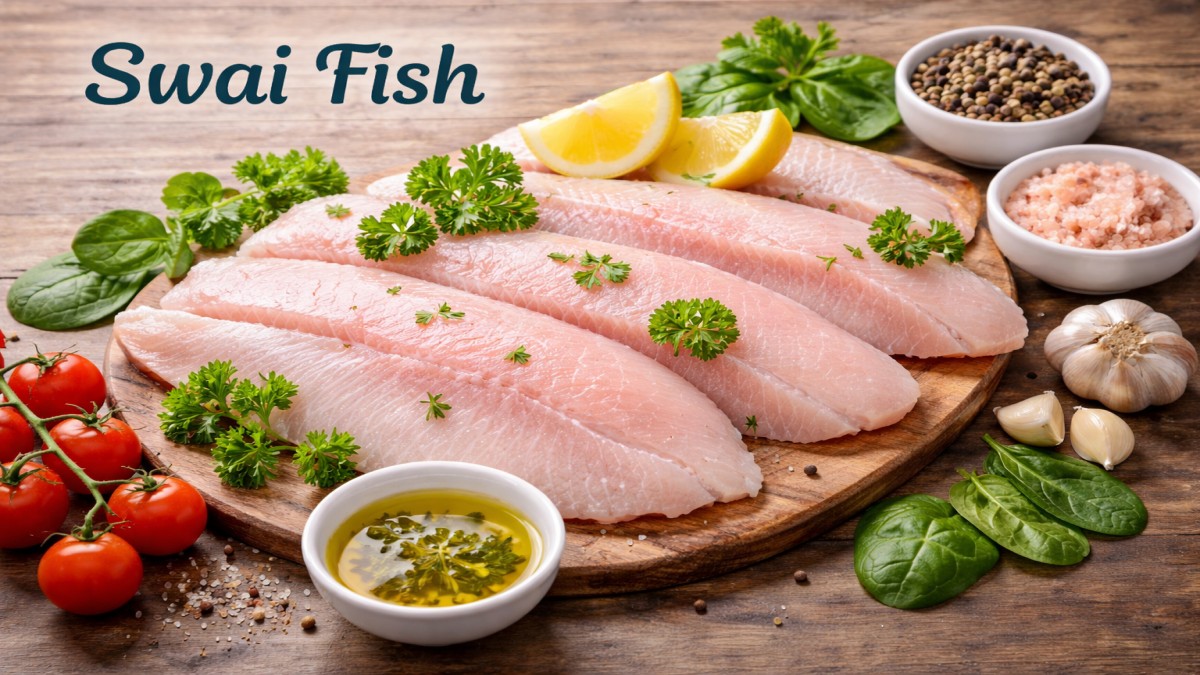
Swai fish is one of those seafood options you’ve probably eaten without even realizing it. It often shows up in restaurants as a budget-friendly white fish and appears in grocery stores as frozen fillets. Mild, flaky, and easy to cook, swai has become popular worldwide but it also raises a lot of questions. Is swai fish healthy? Is it safe to eat? How does it compare to other white fish?
Let’s break it all down in a simple, honest, and practical way.
What Is Swai Fish?
Swai fish is a freshwater fish native to Southeast Asia, especially Vietnam. It belongs to the catfish family and is sometimes called pangasius or iridescent shark (even though it’s not a shark at all).
Because swai grows quickly and is inexpensive to farm, it’s widely exported and often used as a substitute for more expensive fish like cod, haddock, or sole.
Why Is Swai Fish So Popular?
Swai didn’t become popular by accident. It checks several boxes for consumers and food businesses alike.
Affordable and Accessible
Compared to many ocean fish, swai is much cheaper. That makes it attractive for restaurants, cafeterias, and households trying to save money.
Mild Flavor
Swai has a neutral taste, which means it easily absorbs marinades, spices, and sauces. Even people who “don’t like fish” often enjoy swai.
Soft, Flaky Texture
Its tender flesh works well in frying, baking, grilling, or air-frying.
Nutritional Profile of Swai Fish
Swai fish is not the most nutrient-dense fish, but it still offers some benefits.
Basic Nutrition (per 100g cooked swai)
- Calories: ~90–100
- Protein: ~15–17g
- Fat: ~2–4g
- Omega-3 fatty acids: Low
- Cholesterol: Moderate
Protein Content
Swai provides a decent amount of lean protein, which supports muscle growth, tissue repair, and overall body function.
Low in Omega-3s
Unlike salmon or sardines, swai is low in omega-3 fatty acids. That means it’s not the best choice if you’re eating fish mainly for heart health.
Health Benefits of Swai Fish
1. Supports Muscle and Tissue Repair
Thanks to its protein content, swai helps with muscle maintenance and recovery.
2. Low in Calories
Swai is a good option for calorie-conscious diets when prepared in healthy ways.
3. Easy to Digest
Its mild nature and soft texture make it suitable for people with sensitive digestion.
4. Versatile for Healthy Cooking
Baking, steaming, or grilling swai keeps it light and nutritious.
Potential Risks and Concerns
Swai fish has faced criticism, and it’s important to understand why.
Farming Practices
Some swai farms have been linked to poor water quality and overcrowding. However, standards vary widely by producer.
Antibiotic Use
In the past, some farms used antibiotics improperly. Reputable exporters now follow stricter regulations, but quality still depends on sourcing.
Low Omega-3 Content
If you rely on fish for healthy fats, swai may not meet your nutritional goals.
Is Swai Fish Safe to Eat?
Yes—if sourced responsibly.
Look for:
- Trusted brands
- Government or third-party inspections
- Labels indicating proper food safety standards
Cooking swai thoroughly also reduces any potential risks.
Swai Fish vs Other White Fish
Swai vs Tilapia
- Swai: Softer, milder
- Tilapia: Slightly firmer, more nutrients
Swai vs Cod
- Swai: Cheaper, farmed
- Cod: More omega-3s, wild-caught (often)
Swai vs Catfish
- Swai: Milder, leaner
- Catfish: Richer flavor, higher fat
How to Cook Swai Fish
Swai is like a blank canvas in the kitchen.
Best Cooking Methods
- Baking with herbs and lemon
- Pan-frying with light oil
- Air-frying for a crispy texture
- Steaming with vegetables
Flavor Pairings
- Garlic, paprika, black pepper
- Soy sauce, ginger, sesame oil
- Lemon butter or tomato-based sauces
Is Swai Fish Good for Weight Loss?
Yes—when cooked healthily.
Its low calorie and moderate protein content can fit well into a weight-loss plan. Avoid deep frying or heavy sauces if weight control is your goal.
Conclusion
Swai fish is affordable, mild, and versatile—making it a popular choice worldwide. While it doesn’t offer the same omega-3 benefits as fatty fish, it can still be part of a balanced diet when sourced responsibly and cooked properly.
Think of swai like a basic white shirt in your wardrobe: not flashy, but useful, flexible, and reliable when styled the right way.
FAQs About Swai Fish
1. Is swai fish healthy to eat regularly?
Yes, in moderation. Pair it with other nutrient-rich fish for balance.
2. Does swai fish taste like catfish?
It’s similar but milder and less earthy.
3. Is swai fish farm-raised or wild-caught?
Almost all swai fish is farm-raised.
4. Can pregnant women eat swai fish?
Yes, when fully cooked and consumed in moderation.
5. Is swai fish better than tilapia?
Neither is “better”—they’re just different. Tilapia usually has slightly better nutrition.

How Much Water Should I Drink Daily? Exact Amount Based on Your Body (2026 Guide)

Why Am I Always Tired Even After Sleeping (Honestly, This Is More Common Than You Think)

How to Sleep Better at Night Naturally (Honestly, It’s Not as Complicated as You Think)

Torcia: Lighting the Way From Ancient Flames to Modern Innovation

TikTok Algorithm Tips 2026 – Best TikTok Algorithm Tips 2026 to Grow Fast in USA

How to Go Viral on Instagram Reels – Honestly, It’s Not Just Luck

Social Media Trends USA 2026 – What’s Actually Changing (And What Still Works)

How to Build Personal Brand Online – Honestly, It’s Less About Perfection and More About Showing Up

Best Posting Times for Social Media USA – Honestly, Timing Matters More Than You Think

Instagram Growth Tips 2026 USA – Honestly, It’s Not About Tricks, It’s About Smart Work

Snifies: Redefining the World of Casual Connections and LGBTQ+ Social Discovery

Smut Book Meaning: Everything You Need to Know About This Steamy Genre

Dobutamine: Uses, Mechanism, Dosage, and Side Effects

Ishraq Time in Delhi: What It Is, When It Happens, and Why It Matters
Sarkari Network: Everything You Need to Know

Beton Celular Autoclavizat: The Future of Lightweight, Eco-Friendly Construction
Torcia: Lighting the Way From Ancient Flames to Modern Innovation

Read OPM Manga Online: Where and How to Enjoy One Punch Man Legally

Why Every Small Business Needs a Digital Marketing Agency

Goblets: A Timeless Symbol of Elegance and Celebration
How Much Water Should I Drink Daily? Exact Amount Based on Your Body (2026 Guide)
Why Am I Always Tired Even After Sleeping (Honestly, This Is More Common Than You Think)
How to Sleep Better at Night Naturally (Honestly, It’s Not as Complicated as You Think)
Torcia: Lighting the Way From Ancient Flames to Modern Innovation
TikTok Algorithm Tips 2026 – Best TikTok Algorithm Tips 2026 to Grow Fast in USA
How to Go Viral on Instagram Reels – Honestly, It’s Not Just Luck
Social Media Trends USA 2026 – What’s Actually Changing (And What Still Works)
How to Build Personal Brand Online – Honestly, It’s Less About Perfection and More About Showing Up
Best Posting Times for Social Media USA – Honestly, Timing Matters More Than You Think
Instagram Growth Tips 2026 USA – Honestly, It’s Not About Tricks, It’s About Smart Work

 entertainment7 months ago
PYT Telegram: A Complete Guide to Understanding, Using, and Maximizing It

 entertainment8 months ago
OnionFlix: Everything You Need to Know About This Streaming Website
- others6 months ago
Nook vs Kindle: Which E-Reader Is Right for You?
- gaming8 months ago
Melisandre: The Enigmatic Priestess of Game of Thrones