Many creators dream of earning money online, and understanding YouTube monetization requirements has become extremely important for beginners entering the creator economy in 2026. YouTube offers huge earning opportunities through ads, memberships, affiliate marketing, and sponsorships, but creators must first meet specific eligibility conditions before monetizing their channels.
Learning about YouTube monetization requirements helps creators avoid common mistakes and build channels that qualify for the YouTube Partner Program faster. Many beginners focus only on getting views while ignoring watch time, community guidelines, audience retention, and original content quality.
The good news is that even small creators can still qualify for monetization if they follow smart content strategies and stay consistent over time.
Main YouTube Monetization Requirements for Beginners
Understanding the official YouTube monetization requirements is essential because YouTube carefully reviews channels before approving monetization access.
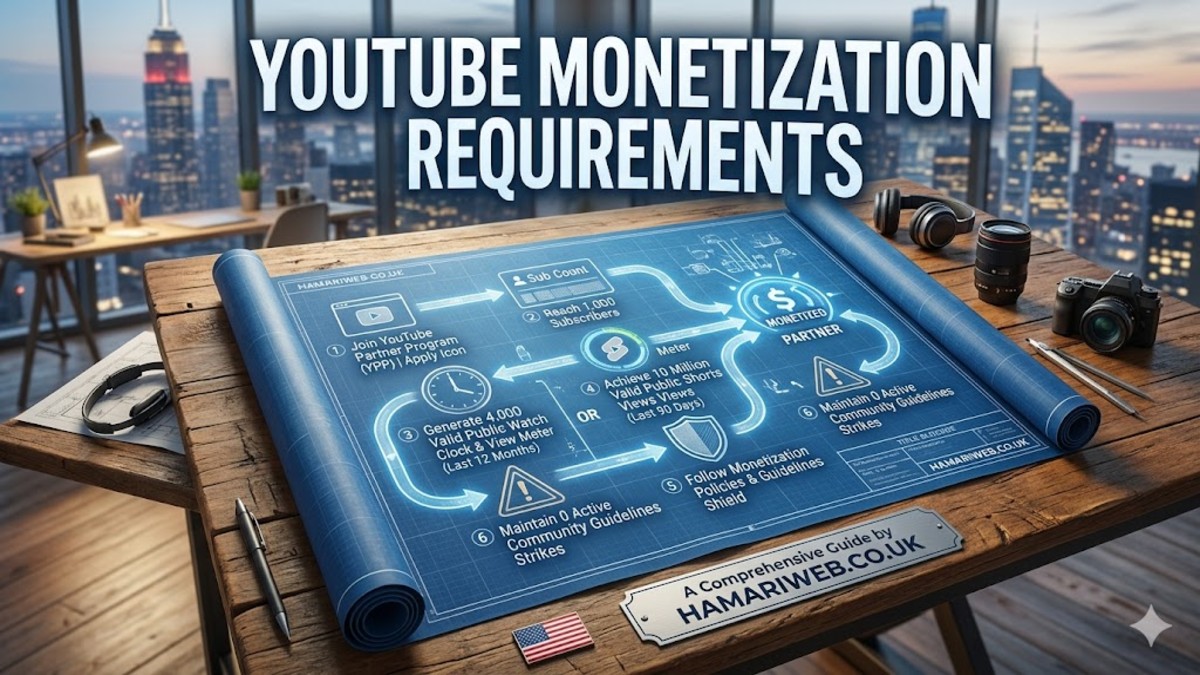
Creators currently need:
- 1,000 subscribers
- 4,000 public watch hours in the last 12 months
OR
- 10 million Shorts views within 90 days
Channels must also follow:
- Community guidelines
- Copyright rules
- Advertiser-friendly content policies
The reason YouTube monetization requirements are becoming more important is because YouTube now focuses heavily on quality and audience value instead of low-effort content.
Originality matters more than ever.
Importance of Original Content
YouTube strongly prioritizes original and valuable content.
Channels may face monetization rejection if they:
- Reupload videos
- Use repetitive AI content
- Copy creators completely
- Add minimal editing
Successful channels usually create:
- Unique storytelling
- Helpful tutorials
- Engaging commentary
- Educational videos
Original content improves audience trust and long-term growth opportunities.
YouTube wants creators who provide real value to viewers.
Why Watch Time Matters
Watch time is one of YouTube’s most important ranking and monetization factors.
Higher watch time signals that viewers enjoy the content.
Creators improve watch time by focusing on:
- Better storytelling
- Faster pacing
- Strong video intros
- Audience engagement
- Valuable information
Longer viewer sessions often improve channel visibility in recommendations and search results.
Retention matters heavily in modern YouTube growth.
Subscriber Growth Strategies
Growing subscribers naturally is important for monetization eligibility.
Successful creators usually focus on:
- Consistent uploads
- Niche targeting
- Audience engagement
- SEO optimization
- Valuable content
Subscribers increase faster when creators build loyal communities instead of chasing random viral trends.
Audience trust often leads to long-term channel growth.
YouTube Shorts Monetization
YouTube Shorts continue growing rapidly in 2026.
Creators can qualify for Shorts monetization through:
- 10 million valid public Shorts views
- Views earned within 90 days
Shorts provide fast audience growth opportunities.
Many creators now use Shorts to attract subscribers before promoting longer videos.
However, Shorts still require originality and community guideline compliance.
Community Guidelines and Policy Rules
Channels must follow YouTube policies carefully.
Common policy violations include:
- Harmful content
- Misleading information
- Copyright abuse
- Spam uploads
- Reused content
Breaking guidelines may lead to:
- Demonetization
- Video removal
- Channel strikes
Policy compliance is extremely important for long-term monetization stability.
Why SEO Matters for Monetization
SEO helps creators attract traffic faster.
Important SEO areas include:
- Keyword-rich titles
- Optimized descriptions
- Strong thumbnails
- Audience-focused topics
- Search-friendly tags
People searching YouTube monetization requirements often underestimate how important SEO is for gaining watch hours and subscribers.
Search traffic can generate consistent views over time.
Optimization improves discoverability significantly.
Best Niches for Monetization
Some YouTube niches attract higher advertiser demand.
Popular high-CPM niches include:
- Finance
- AI and technology
- Business
- Software tutorials
- Online marketing
Higher CPM niches often generate better ad revenue opportunities.
However, creators should still choose niches they can consistently create content about long term.
Passion and consistency remain important.
Importance of Audience Retention
Audience retention measures how long viewers watch videos.
Higher retention usually improves:
- Recommendations
- Search rankings
- Monetization opportunities
Creators improve retention through:
- Better editing
- Emotional hooks
- Clear storytelling
- Fast pacing
YouTube rewards videos that keep audiences engaged longer.
Retention directly affects channel growth.
Common Monetization Mistakes
Many creators delay monetization because they:
- Upload reused content
- Ignore copyright rules
- Quit too early
- Upload inconsistently
- Depend completely on AI
Low-quality mass-upload strategies often fail in 2026.
YouTube increasingly rewards quality over quantity.
Successful channels focus on audience satisfaction instead of shortcuts.
Can AI Channels Get Monetized?
AI-assisted channels can still qualify for monetization.
However, channels must provide:
- Original value
- Human editing
- Useful information
- Unique storytelling
Completely automated low-effort videos may struggle with approval.
Creators should combine AI tools with human creativity for better long-term results.
Originality remains extremely important.
Monetization Beyond Ads
Many successful creators earn money outside ad revenue.
Popular monetization methods include:
- Affiliate marketing
- Sponsorships
- Digital products
- Courses
- Memberships
Diversifying income streams reduces dependence on YouTube ads alone.
Large creators often treat YouTube like a complete online business ecosystem.
How Long Monetization Usually Takes
Monetization timelines vary significantly.
Some creators qualify within months, while others take years.
Growth depends on:
- Content quality
- Upload consistency
- Niche demand
- Audience retention
- SEO optimization
Creators who stay consistent usually improve faster over time.
Patience is extremely important for long-term success.
Future of YouTube Monetization in 2026
The creator economy continues evolving rapidly.
YouTube increasingly rewards:
- Originality
- Audience value
- Viewer satisfaction
- Long watch sessions
- High-quality storytelling
AI tools are simplifying production, but competition is also increasing.
Creators who understand YouTube monetization requirements and focus on quality content may continue finding strong opportunities in the future.
The platform still offers massive earning potential for creators willing to stay consistent.
Conclusion
The growing popularity of searches related to YouTube monetization requirements shows that more creators are trying to build sustainable online income through content creation in 2026.
Successful monetization usually depends on original content, watch time, SEO optimization, audience retention, and long-term consistency.
While reaching monetization goals may take time, creators who focus on audience value instead of shortcuts often build stronger and more profitable channels over time.
For beginners entering YouTube today, understanding the platform’s monetization system is one of the most important steps toward long-term creator success.
FAQs
1. What are the current YouTube monetization requirements?
Creators need 1,000 subscribers and 4,000 watch hours or 10 million Shorts views.
2. Can Shorts help monetization?
Yes, Shorts views can qualify creators for monetization.
3. Is original content necessary?
Yes, YouTube prioritizes original and valuable content.
4. Does SEO help monetization?
Yes, SEO improves visibility and watch time growth.
5. Can AI channels get monetized?
Yes, if they provide unique value and quality.







 entertainment1 year ago

 entertainment1 year ago