others
Mastering Spelling Bee Words: A Complete Guide for Champions in the Making
Published
1 year agoon
By
Hamari Web
Table of Contents
ToggleIntroduction to the World of Spelling Bees
What is a Spelling Bee?
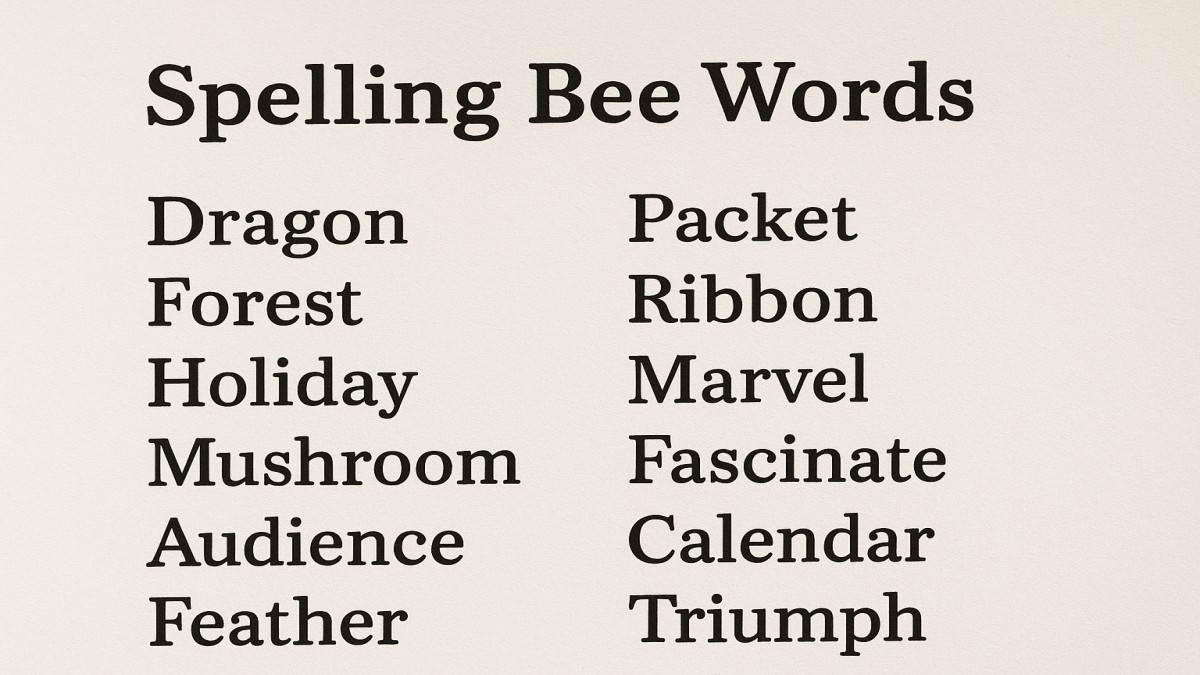
Spelling Bee Words. A spelling bee is more than just a competition—it’s a test of memory, language mastery, and nerves. Contestants are given words to spell aloud, and one mistake can mean elimination. But the thrill? It’s unmatched.
Why Spelling Bees Matter
Aside from boosting your vocabulary, spelling bees sharpen your concentration and confidence. You learn to listen carefully, speak clearly, and deal with pressure—skills that stick with you for life.
The Psychology of Spelling Competitions
Building Focus and Discipline
Spelling bees demand more than word knowledge. They train your brain like a muscle. With every study session, your focus and patience grow stronger.
Memory Techniques Used by Spelling Bee Champions
Winners often use mnemonic devices, flashcards, and the “memory palace” method to store hundreds of words in their brains. They break down long words into syllables and associate them with familiar images.
Understanding Spelling Bee Words
Common Categories of Spelling Words
Greek & Latin Roots
Words with Greek or Latin roots often follow predictable patterns. For example, “bio” means life (biology, biography), and “spect” means to see (inspect, spectacle).
Homophones and Homonyms
These tricksters sound alike but differ in meaning and spelling—think “bare” vs. “bear.” Knowing context is everything.
Difficult-to-Spell Words and Why They Matter
Tricky words like “onomatopoeia” or “chiaroscurist” pop up in championships. They’re tough because of silent letters, unusual origins, or unfamiliar structure.
How to Practice for Spelling Bees
Daily Study Routines
Consistency wins. Devote 30–60 minutes daily to practice. Focus on 10–20 words a day, writing, spelling, and saying them out loud.
Using Word Lists Effectively
Use Scripps-approved lists or books like Paideia. Group words by category, difficulty, or language origin to make them easier to learn.
Tools and Apps for Practice
Apps like Word Club (by Scripps), Anki, and Spelling Bee Ninja can make studying interactive. Track progress, set goals, and get instant feedback.
The Importance of Word Origins
Etymology as a Superpower
If you understand a word’s origin, you can often guess its spelling. For example, words from French tend to have silent letters, while German-derived words are usually phonetic.
Recognizing Language Patterns
Patterns help decode pronunciation and spelling. Words from Arabic often start with “al” (like algebra), while Hindi words might end in “-wala.”
Top 50 Spelling Bee Words to Know
Beginner Level Words
- Apple
- Banana
- Orange
- Planet
- School
Intermediate Level Words
- Geography
- Umbrella
- Turquoise
- Leopard
- Dialogue
Advanced and Championship Words
- Xylophagous
- Hemidemisemiquaver
- Czarevitch
- Synecdoche
- Euonym
Spelling Bee Tips from Former Champions
Mental Prep Before the Competition
Sleep well, eat light, and arrive early. Mentally rehearse your spelling technique—listening, repeating, spelling, and confirming.
Staying Calm Under Pressure
Take a deep breath before answering. Don’t be afraid to ask for definitions or word origins. It’s allowed—and encouraged!
Mistakes to Avoid During Spelling Bees
Rushing Through Words
Speed kills in spelling bees. Take your time. Enunciate clearly and double-check mentally before speaking.
Ignoring Pronunciation Cues
Mishearing a word leads to common mistakes. Always ask for the word to be repeated if you’re unsure.
Practicing With Friends and Family
Role-playing as the Judge
Have a friend or family member quiz you while acting as a judge. This simulates the real environment.
Creating Fun Quizzes
Turn practice into a game—word scrambles, fill-in-the-blanks, or even mini spelling tournaments.
Conclusion
Mastering spelling bee words isn’t just about rote memorization—it’s about falling in love with language, understanding patterns, and pushing yourself past mental limits. Whether you’re aiming for the school bee or dreaming of the national championship, every word you learn is a step forward. So grab your list, fire up your apps, and let the spelling begin!
FAQ
1. What is the hardest word ever used in a spelling bee?
Words like “knaidel,” “schwaner,” and “appoggiatura” are infamous for tripping up even the best spellers.
2. How many words should I practice each day?
Start with 10–20. Quality and consistency matter more than quantity.
3. Are spelling bees only for kids?
Nope! There are adult spelling bees too. Wordplay has no age limit.
4. What’s the best way to remember tough spellings?
Use mnemonic devices and word origin clues. Repetition and context help a ton.
5. How do I handle nervousness on stage?
Practice in front of people. Deep breathing and familiar routines can help calm the nerves.

How to Start a Pressure Washing Business: A Simple Guide That Gets You Your First Customers

How to Start a Lawn Mowing Business: Simple Steps That Turn Mowing Into Income

How to Start a Dog Walking Business: Simple Steps That Turn Walks Into Income

How to Start a House Cleaning Business: Simple Steps That Win Your First Clients

How to Pay Employees in Your Small Business: Simple Steps That Get It Right

How to Do Market Research for Small Business: Simple Steps That Find Your Customers

How to Start a Tutoring Business: Simple Steps That Turn Your Knowledge Into Income

How to Create a Digital Product to Sell: A Simple Guide for Small Business Beginners

Christmas Marketing Ideas for Small Businesses: Simple Ways to Win Festive Customers

Benefit of Sole Proprietorship: Simple Advantages That Make Starting Easy

How to Repurpose Blog Content for Social Media Without Starting From Scratch

How to Write a Simple Business Plan for Your Small Business: A Practical Guide That Gets You Started

How to Create a Small Business Content Marketing Plan That Actually Gets Results
How to Handle Customer Complaints in a Small Business: A Calm, Practical Guide That Turns Problems Into Loyalty

How to Get More Clients for Your Business: Simple Ways That Actually Work

How to Create a Content Calendar for a Small Business

How to Write a Professional Business Email That Gets a Reply

How to Set SMART Goals for a Small Business: A Practical Guide That Actually Works

How to Set Up a Simple Referral Program for Your Small Business: A Beginner’s Guide That Brings in New Customers

How to Write a Business Proposal for Your Small Business: A Simple Guide That Wins Clients

How to Start a Pressure Washing Business: A Simple Guide That Gets You Your First Customers

How to Start a Lawn Mowing Business: Simple Steps That Turn Mowing Into Income

How to Start a Dog Walking Business: Simple Steps That Turn Walks Into Income

How to Start a House Cleaning Business: Simple Steps That Win Your First Clients

How to Pay Employees in Your Small Business: Simple Steps That Get It Right

How to Do Market Research for Small Business: Simple Steps That Find Your Customers

How to Start a Tutoring Business: Simple Steps That Turn Your Knowledge Into Income

How to Create a Digital Product to Sell: A Simple Guide for Small Business Beginners

Christmas Marketing Ideas for Small Businesses: Simple Ways to Win Festive Customers

Benefit of Sole Proprietorship: Simple Advantages That Make Starting Easy
Trending
entertainment1 year agoPYT Telegram: A Complete Guide to Understanding, Using, and Maximizing It
entertainment1 year agoOnionFlix: Everything You Need to Know About This Streaming Website
education1 year agoHow to Become a Software Engineer: A Complete Guide
others1 year agoNook vs Kindle: Which E-Reader Is Right for You?