
business
How to Start a Pressure Washing Business: A Simple Guide That Gets You Your First Customers

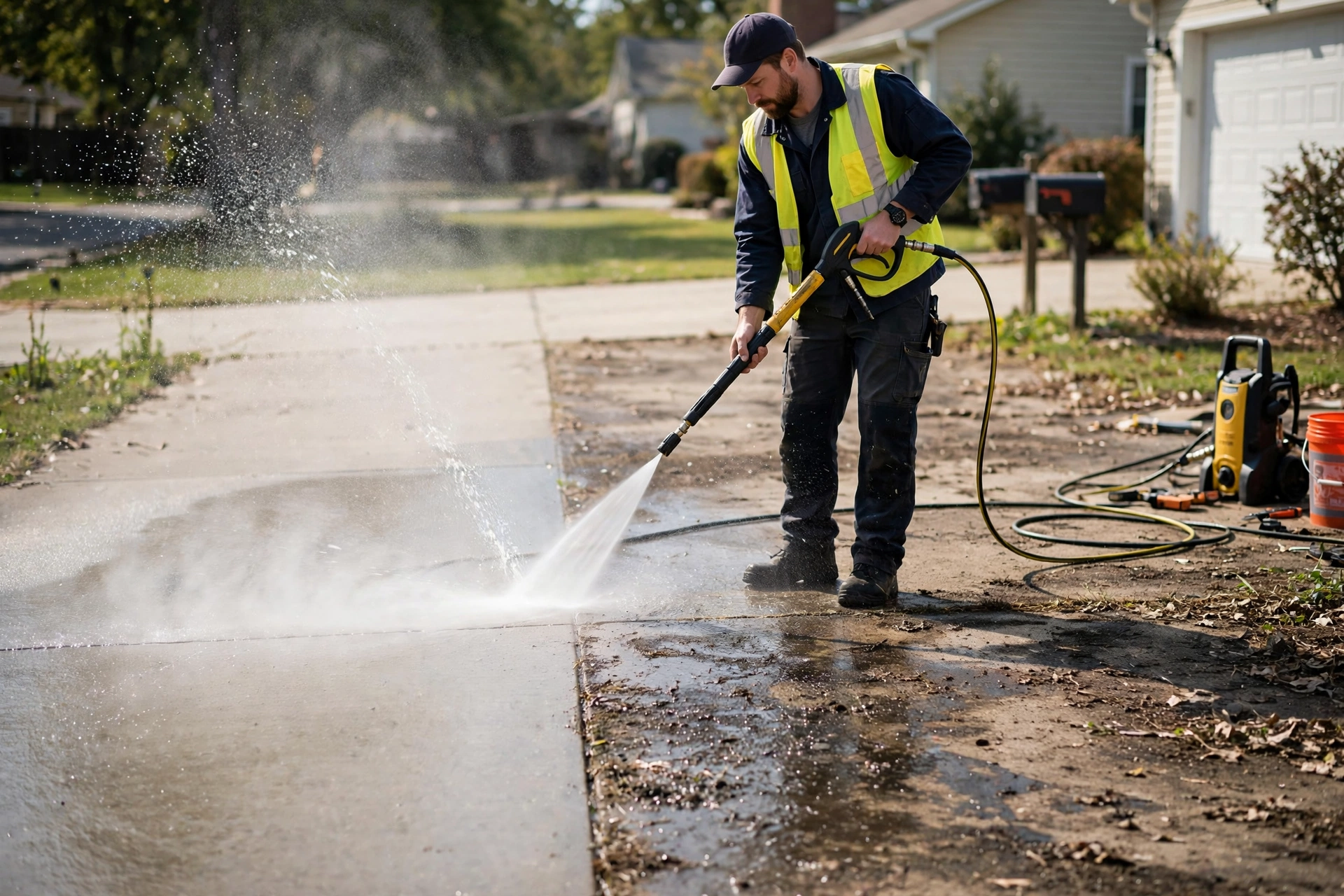
Learning how to start a pressure washing business is one of the most practical ways to build a service business from scratch. The work is visible — a dirty driveway goes in, a clean one comes out — and customers can see the result the same day. You do not need a shop, a degree or a large team. You need reliable equipment, a clear offer and a steady way of finding local jobs.
This guide walks through the whole setup, from checking local demand to booking your first paying job, in plain steps you can follow one at a time.
Is a Pressure Washing Business Worth Starting?
Before you spend money on a machine, check whether people near you actually pay for this service. That is the whole point of learning how to do market research for small business owners: a quick check now saves you from buying equipment for a market that does not exist.
Drive around your area and look at driveways, patios, fences and shop fronts. Count how many look stained, mossy or weathered. Then search online for pressure washing services in your town. If a few businesses exist with reviews and full-looking schedules, that is a good sign — it means demand is real. If nobody offers it at all, ask why before you assume you have found a gap.
Talk to people too. Ask homeowners what they pay for driveway or patio cleaning, and ask local estate agents and landlords who they call when a property needs a clean before a viewing. A handful of honest conversations tells you more than any guess about demand.
Pressure washing also suits a part-time start. Many owners begin at weekends while keeping a day job, then go full time once repeat bookings cover their bills. The low start-up cost and the fact that every job is local make it a forgiving first business.
Write a Simple Pressure Washing Business Plan
A pressure washing business plan does not need to be a fifty-page document. One page is enough, as long as it answers five questions: what services will you offer, who will you serve, what will you charge, what will it cost you to run, and how will customers find you?
Start with services. Most beginners offer driveway cleaning, patio and deck cleaning, and house siding washing. Pick three services you can do well rather than ten you can only do badly. You can add extras like fence cleaning or shop-front washing later, once you know your timings and costs.
Then define your customer. Homeowners are the main market, but landlords, estate agents, cafes with outdoor seating and small shops are all worth listing. Each group books differently — homeowners book once or twice a year, while a cafe might want a monthly clean — so knowing who you are targeting shapes everything from your prices to your marketing.
Write your numbers down, even rough ones. List your expected monthly income from, say, ten jobs, then list your costs: fuel, water, detergent, insurance, phone and advertising. If the numbers work on paper, you have a plan worth following. If they do not, adjust the services or the prices before you spend anything.
Pick a Name People Remember
Good pressure washing business names are short, clear and local. Customers should hear the name once and know exactly what you do and where you work. Names like “Bright Drive Cleaning” or “Springfield Pressure Wash” work because they say the service and the place in four words.
Avoid names that are clever but confusing. A name full of puns might make you smile, but a homeowner searching for a cleaner will type plain words into Google, not jokes. Also check that the name is free before you print anything: search it online, check the domain name, and check social media handles. If another business in your area already uses something close, pick a different one — confusion costs you jobs.
Once you have a name, use it everywhere the same way: on your van or car, your flyers, your Google Business Profile and your invoices. Consistency is what turns a name into a brand people remember and recommend.
Your Pressure Washing Equipment List
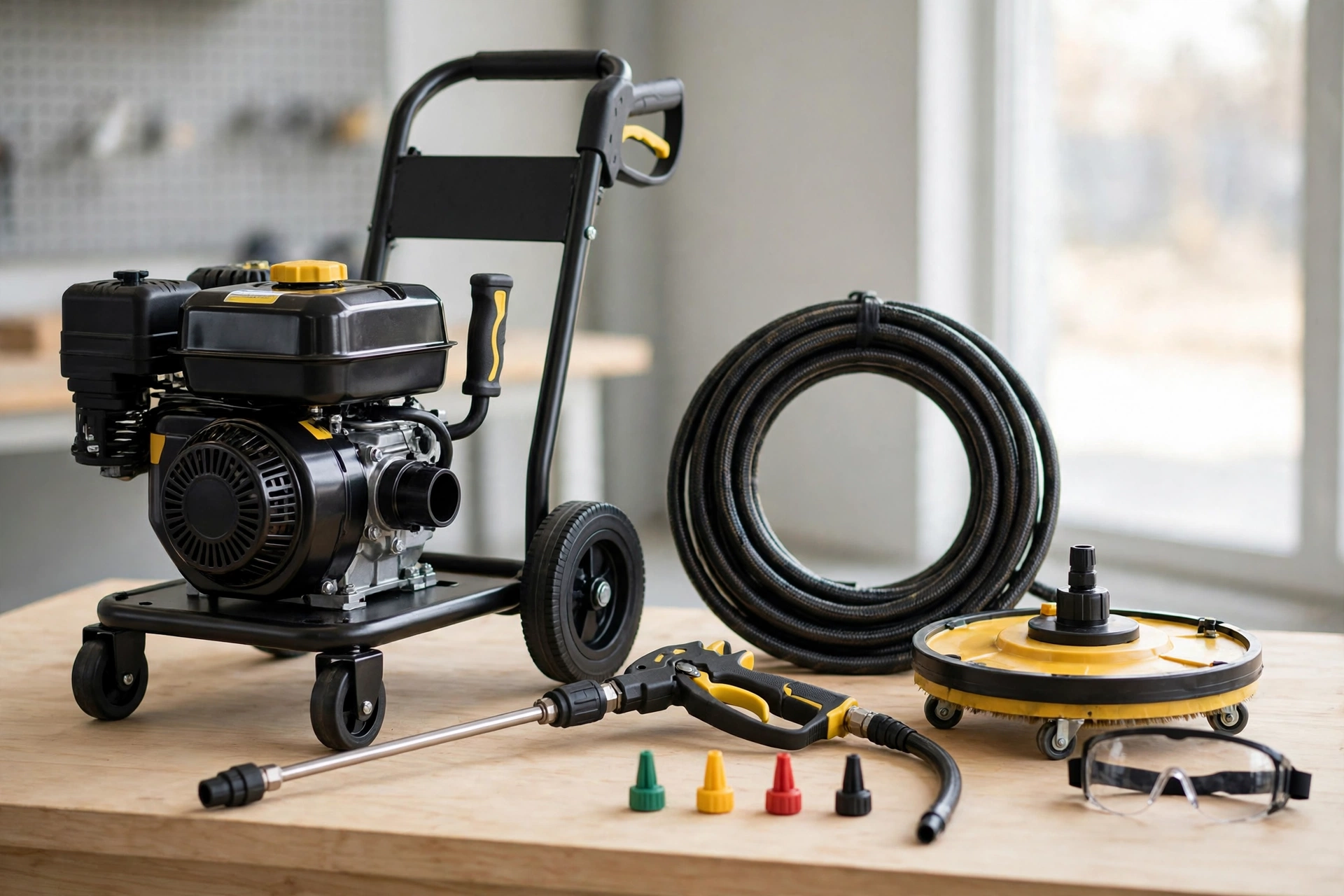
Your pressure washing equipment list is the heart of the business, so buy once and buy sensibly. You do not need the most expensive machine on the market, but a cheap machine that breaks mid-job will cost you far more in lost bookings and refunds.
Here is a sensible starter kit:
- A petrol pressure washer — petrol machines are stronger and more portable than electric ones, and they work anywhere without a power socket. Look for one around 3,000 PSI for general residential work.
- A surface cleaner attachment — this flat, spinning disc cleans driveways and patios far faster and more evenly than a wand alone, and it stops the striped finish beginners often leave behind.
- A spray wand with a set of nozzles — different nozzles suit different surfaces. A wide fan nozzle is safe for wood and siding, while a narrow nozzle cuts through ground-in dirt on concrete.
- A long high-pressure hose — at least 15 metres, so you can reach around a house without moving the machine every few minutes.
- Detergent and a soft-wash setup — some stains need soap and a gentle rinse, not brute force. A downstream injector or a simple pump sprayer covers this.
- Safety gear — goggles, gloves, waterproof boots and ear protection. High-pressure water can cut skin, so treat the machine with respect every single time.
- A water supply plan — most jobs use the customer’s outdoor tap, but carry your own hose connectors and a water tank if you plan to work where taps are scarce.
Buy the machine and the surface cleaner first, then add the rest as jobs pay for them. Keep receipts from day one; every item on your equipment list is a business expense.
Work Out Your Startup Budget
Knowing how to create a budget for a small business matters just as much here as in any other trade. Write down every cost before you buy, then add a buffer of about twenty percent for the things you forgot.
A realistic starter budget covers the washer, the surface cleaner, hoses and nozzles, safety gear, insurance, a basic website or Google Business Profile, flyers and fuel for the first month. Many owners start for the price of a used car, and some start for less by buying a good second-hand machine and renting a surface cleaner for the first few jobs.
Separate your money from the start. Open a business bank account, even a simple one, and pay every business cost from it. When tax time comes, you will be glad you can see exactly what the business earned and spent without digging through personal statements. Review the budget every month and cut anything that is not bringing in work.
Licences, Insurance and the Legal Basics
Rules vary by area, so check with your local council before your first job. In many places you need a general business licence, and some towns have rules about where wash water can run off — dirty water must not flow into storm drains in most areas. A quick call to the council saves you a fine later.
Insurance is not optional. Public liability insurance protects you if you damage a customer’s property or someone gets hurt while you work. It is usually affordable for a one-person business, and many commercial customers will ask to see your certificate before they hire you. If you plan to clean roofs or work at height, tell your insurer — standard policies do not always cover that.
Keep simple records: a notebook or a basic app for jobs, invoices and receipts. Good records make tax time easy and show a bank or a supplier that you run a serious business if you ever need credit.
Set Your Prices and Services
Setting your prices is where many beginners go wrong. Charge too little and you will be busy but broke; charge too much and the phone stays quiet. Start by timing yourself. Clean a friend’s driveway and note how long it takes, including setup and packing away. Then work out what that job must pay to cover your time, fuel, detergent, wear on the machine and a fair profit.
Most owners price by the job, not by the hour, because customers prefer a fixed quote. A small driveway, a large patio and a full house wash are three different prices. Quote in person or from clear photos whenever you can — a driveway that looks small in a photo can hide oil stains and moss that double the work.
Write your prices on a simple rate card and stick to it for the first few months. You can adjust once you know your real costs. Never race another cleaner to the bottom on price; compete on reliability, a tidy finish and showing up when you said you would.
Find Your First Customers
Your first ten customers matter more than your first hundred pounds. A happy first customer leaves a review, tells a neighbour and books again next year, so treat every early job like an audition.
Start close to home. Tell neighbours, friends and family that you have started, and offer a fair introductory rate for the first few bookings in exchange for an honest review and a before-and-after photo you can share. Leaflets through doors in streets with dirty driveways still work well for this trade, because the problem is visible from the pavement.
Set up a free Google Business Profile with your business name, phone number, service area and photos of your work. Many customers search for a local cleaner and call the first business with good photos and recent reviews, so this one free listing can bring in more work than any paid advert. Local Facebook groups are worth joining too — a single post with before-and-after photos often brings a run of enquiries.
How to Keep Customers Coming Back
Learning how to keep customers coming back is what turns a side job into a real business. A driveway needs cleaning again in a year, a patio in six months, and a shop front every month — but only if the customer remembers you when the time comes.
Do three simple things after every job. First, leave the place tidy: rinse the pavement, coil your hoses and take your rubbish with you. Second, send a short thank-you message the same day with a photo of the finished work. Third, note the date and the service in a simple list, then message the customer when the next clean is due. That reminder message alone brings back more work than any advert.
Small touches help. A loyalty offer such as every fifth clean at a discount, or a small discount for booking a neighbour on the same day, gives customers a reason to choose you again instead of searching for someone new. Repeat customers also cost you nothing to win, which is why they are the most profitable jobs you will ever do.
When to Hire Help
You can run this business alone for a long time, but busy periods will test that. If you are turning down jobs, that is the moment to think about help rather than the moment to panic. A part-time helper for weekends can double the jobs you complete without doubling your costs.
Before you hire anyone, learn how to pay employees small business rules work in your area: the minimum wage, the tax you must hold back, and the records you must keep. Getting this wrong is expensive, so check the official guidance or ask an accountant for a one-off review before your first payday. A short written agreement covering hours, pay and safety rules protects both of you.
Train your helper the way you want the work done — the same setup routine, the same finish, the same tidy-up. Customers book your standard of work, not just your name, so anyone working with you must meet it.
Frequently Asked Questions
Do I need experience to start a pressure washing business?
No formal experience is needed. Practice on your own driveway, a family member’s patio and any surface you can legally clean, and learn how different pressures affect wood, concrete and brick before you charge a customer.
What services should I offer first?
Driveways, patios and house siding are the safest starting point. They are the most requested jobs, the surfaces are forgiving, and they let you build speed and confidence before you take on roofs or delicate materials.
How long does it take to get the first paying job?
Many owners book their first job within two to four weeks of starting, usually from neighbours, friends or a local group post. A Google Business Profile and a few honest reviews usually speed this up a lot.
Should I buy or rent my first pressure washer?
If you can afford a decent petrol machine, buy it — rental costs add up fast once you are doing several jobs a week. If money is tight, rent for your first three or four jobs to prove the demand, then buy with the money those jobs earned.
What is the biggest mistake beginners make?
Using too much pressure on the wrong surface. It damages wood, strips paint and etches soft stone. Always test on a hidden corner first, use the widest nozzle that still cleans, and let detergent do the work before you reach for more pressure.
Final Thoughts
Knowing how to start a pressure washing business is mostly about starting small and doing the basics well: check the demand, write a one-page plan, buy reliable equipment, price fairly and look after every customer. You do not need a big budget or a team to begin. You need a machine that works, a name people can find and a habit of showing up on time and leaving every job cleaner than you found it.
Pick one step from this guide and do it today — check the demand in your street, write your one-page plan or price your first three services. A pressure washing business is built one clean driveway at a time, and the first one is the hardest to get. After that, the work starts to find you.

How to Start a Pressure Washing Business: A Simple Guide That Gets You Your First Customers

How to Start a Lawn Mowing Business: Simple Steps That Turn Mowing Into Income

How to Start a Dog Walking Business: Simple Steps That Turn Walks Into Income

How to Start a House Cleaning Business: Simple Steps That Win Your First Clients

How to Pay Employees in Your Small Business: Simple Steps That Get It Right

How to Do Market Research for Small Business: Simple Steps That Find Your Customers

How to Start a Tutoring Business: Simple Steps That Turn Your Knowledge Into Income

How to Create a Digital Product to Sell: A Simple Guide for Small Business Beginners

Christmas Marketing Ideas for Small Businesses: Simple Ways to Win Festive Customers

Benefit of Sole Proprietorship: Simple Advantages That Make Starting Easy

How to Repurpose Blog Content for Social Media Without Starting From Scratch

How to Write a Simple Business Plan for Your Small Business: A Practical Guide That Gets You Started

How to Create a Small Business Content Marketing Plan That Actually Gets Results
How to Handle Customer Complaints in a Small Business: A Calm, Practical Guide That Turns Problems Into Loyalty

How to Get More Clients for Your Business: Simple Ways That Actually Work
How to Create a Content Calendar for a Small Business

How to Write a Professional Business Email That Gets a Reply

How to Set SMART Goals for a Small Business: A Practical Guide That Actually Works
How to Set Up a Simple Referral Program for Your Small Business: A Beginner’s Guide That Brings in New Customers
How to Write a Business Proposal for Your Small Business: A Simple Guide That Wins Clients
How to Start a Pressure Washing Business: A Simple Guide That Gets You Your First Customers
How to Start a Lawn Mowing Business: Simple Steps That Turn Mowing Into Income
How to Start a Dog Walking Business: Simple Steps That Turn Walks Into Income
How to Start a House Cleaning Business: Simple Steps That Win Your First Clients
How to Pay Employees in Your Small Business: Simple Steps That Get It Right
How to Do Market Research for Small Business: Simple Steps That Find Your Customers
How to Start a Tutoring Business: Simple Steps That Turn Your Knowledge Into Income
How to Create a Digital Product to Sell: A Simple Guide for Small Business Beginners
Christmas Marketing Ideas for Small Businesses: Simple Ways to Win Festive Customers
Benefit of Sole Proprietorship: Simple Advantages That Make Starting Easy

 entertainment1 year ago
PYT Telegram: A Complete Guide to Understanding, Using, and Maximizing It

 entertainment1 year ago
OnionFlix: Everything You Need to Know About This Streaming Website
- education1 year ago
How to Become a Software Engineer: A Complete Guide
- others1 year ago
Nook vs Kindle: Which E-Reader Is Right for You?





