others
Intrusive Test: A Complete Guide
Published
1 year agoon
By
Hamari Web
Table of Contents
ToggleIntroduction to Intrusive Test
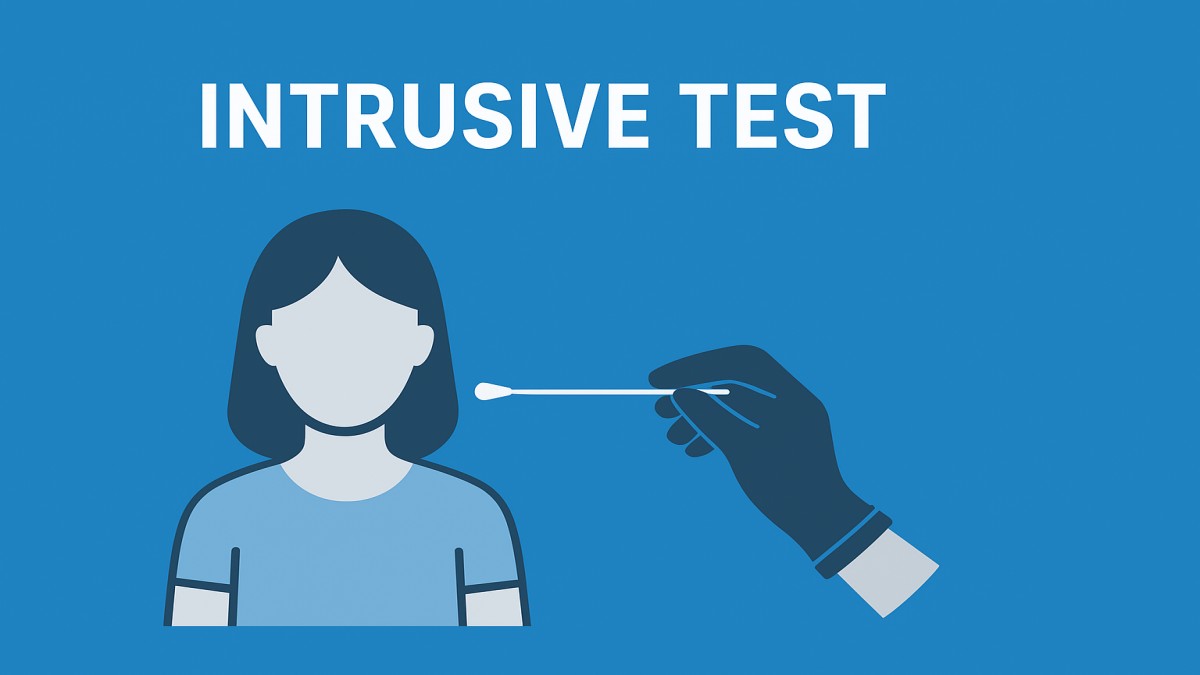
Have you ever been asked to undergo a test that felt a little too personal or invasive? That’s what experts call an intrusive test. Simply put, it’s any test that requires direct interaction with the body, mind, or system in a way that could disrupt or interfere with normal functioning. From medical exams like biopsies to software debugging where the system is altered, intrusive testing is everywhere.
Understanding Intrusive Testing
Intrusive testing is the opposite of non-intrusive methods.
- Intrusive: Requires direct access, often involving risks or discomfort.
- Non-Intrusive: Observes or measures without interfering, such as MRI scans or monitoring software logs.
For example:
- A blood test is intrusive because a needle pierces the skin.
- A temperature scan using infrared is non-intrusive.
Types of Intrusive Tests
- Medical intrusive tests – directly involve the human body.
- Psychological intrusive tests – push mental boundaries through deep questioning or monitoring.
- Technical/engineering intrusive tests – affect hardware or software during analysis.
Medical Intrusive Tests
Medicine uses intrusive tests daily for diagnosis and treatment:
- Blood Tests – extracting blood for lab analysis.
- Biopsies – removing tissue samples to check for disease.
- Endoscopies – inserting a scope inside the body to view organs.
- Surgical Diagnostics – sometimes surgery itself reveals the problem.
Though uncomfortable, these tests often provide life-saving insights.
Psychological Intrusive Tests
Not all intrusive tests are physical. Some target the mind.
- In-depth Questionnaires or Interrogations – can feel invasive when probing personal details.
- Polygraph (Lie Detector) Tests – measure stress indicators, sometimes causing anxiety.
- Emotional Intrusion – techniques that challenge one’s comfort zone to reveal truths.
These methods can cause stress but may be necessary for law enforcement or therapy.
Engineering and Technical Intrusive Tests
In technology, intrusive tests are widely used.
- Intrusive Software Testing – altering source code or inserting tools to find bugs.
- Hardware Diagnostics – physically opening machines or circuits.
- Network Intrusive Testing – simulating cyber-attacks to detect vulnerabilities.
They provide accurate results but can temporarily harm performance.
Pros of Intrusive Testing
- High accuracy and reliability.
- Ability to uncover hidden problems.
- Direct and detailed data collection.
Cons of Intrusive Testing
- Physical or psychological harm.
- Expensive and time-consuming.
- Raises ethical and privacy concerns.
Non-Intrusive Alternatives
Advances in technology have reduced the need for invasive methods.
- Medical: MRI, ultrasound, CT scans.
- Technical: System monitoring without code changes.
- Psychological: Anonymous surveys or behavioral analysis.
These are safer but sometimes less precise.
When Intrusive Tests Are Necessary
Sometimes, non-intrusive methods just aren’t enough.
- A suspicious lump may require a biopsy.
- Software vulnerabilities may need direct code injection tests.
It’s always about balancing risks against benefits.
Preparation for Intrusive Tests
- Medical: Fasting, stopping medication, mental preparation.
- Technical: Backup data, system shutdowns.
- Psychological: Transparency about purpose and limits.
Ethical Considerations
- Informed Consent – participants must know what they’re agreeing to.
- Privacy & Rights – data must be handled carefully.
- Minimizing Harm – only conduct intrusive tests when absolutely necessary.
Impact on Industries
- Healthcare – breakthroughs in diagnosis.
- Cybersecurity – stronger defense systems.
- Manufacturing – better quality assurance.
Intrusive testing, though risky, often pushes industries forward.
Future of Intrusive Testing
The future leans toward minimizing intrusion. AI, robotics, and advanced imaging will reduce the need for high-risk testing. Non-invasive innovations will continue to replace traditional methods.
Conclusion
Intrusive tests may not always be pleasant, but they’re often vital. Whether it’s diagnosing cancer, detecting a cyber threat, or ensuring product safety, these tests reveal truths that non-intrusive methods can’t. The key is balance—knowing when the benefits outweigh the risks.
FAQs
1. What is an intrusive test in healthcare?
An intrusive test involves entering the body, like blood tests, biopsies, or endoscopies.
2. Are intrusive tests always painful?
Not always—some may cause mild discomfort, while others can be more invasive.
3. Can intrusive tests be replaced by non-intrusive ones?
Sometimes, yes, but often intrusive tests provide more accurate results.
4. Are psychological intrusive tests ethical?
Yes, if done with consent and care. Without boundaries, they can be unethical.
5. What industries use intrusive tests the most?
Healthcare, cybersecurity, and engineering rely heavily on them.

How to Start a Pet Grooming Business: Simple Steps That Turn Your Love of Animals Into Income

How to Start a Car Detailing Business: Simple Steps That Turn Your Skills Into Income

How to Start a Pressure Washing Business: A Simple Guide That Gets You Your First Customers

How to Start a Lawn Mowing Business: Simple Steps That Turn Mowing Into Income

How to Start a Dog Walking Business: Simple Steps That Turn Walks Into Income

How to Start a House Cleaning Business: Simple Steps That Win Your First Clients

How to Pay Employees in Your Small Business: Simple Steps That Get It Right

How to Do Market Research for Small Business: Simple Steps That Find Your Customers

How to Start a Tutoring Business: Simple Steps That Turn Your Knowledge Into Income

How to Create a Digital Product to Sell: A Simple Guide for Small Business Beginners

How to Repurpose Blog Content for Social Media Without Starting From Scratch

How to Write a Simple Business Plan for Your Small Business: A Practical Guide That Gets You Started

How to Create a Small Business Content Marketing Plan That Actually Gets Results
How to Handle Customer Complaints in a Small Business: A Calm, Practical Guide That Turns Problems Into Loyalty

How to Get More Clients for Your Business: Simple Ways That Actually Work

How to Write a Professional Business Email That Gets a Reply

How to Create a Content Calendar for a Small Business

How to Set SMART Goals for a Small Business: A Practical Guide That Actually Works

How to Set Up a Simple Referral Program for Your Small Business: A Beginner’s Guide That Brings in New Customers

Branding Tips for Small Businesses: A Simple Guide That Makes You Memorable

How to Start a Pet Grooming Business: Simple Steps That Turn Your Love of Animals Into Income

How to Start a Car Detailing Business: Simple Steps That Turn Your Skills Into Income

How to Start a Pressure Washing Business: A Simple Guide That Gets You Your First Customers

How to Start a Lawn Mowing Business: Simple Steps That Turn Mowing Into Income

How to Start a Dog Walking Business: Simple Steps That Turn Walks Into Income

How to Start a House Cleaning Business: Simple Steps That Win Your First Clients

How to Pay Employees in Your Small Business: Simple Steps That Get It Right

How to Do Market Research for Small Business: Simple Steps That Find Your Customers

How to Start a Tutoring Business: Simple Steps That Turn Your Knowledge Into Income

How to Create a Digital Product to Sell: A Simple Guide for Small Business Beginners
Trending
entertainment1 year agoPYT Telegram: A Complete Guide to Understanding, Using, and Maximizing It
entertainment1 year agoOnionFlix: Everything You Need to Know About This Streaming Website
education1 year agoHow to Become a Software Engineer: A Complete Guide
others1 year agoNook vs Kindle: Which E-Reader Is Right for You?