others
Fur Oil: Benefits, Uses, and Everything You Need to Know
Published
1 year agoon
By
Hamari Web
Fur Oil. When it comes to self-care and skincare, most people think about the face, hair, or body lotions. But there’s a new product making waves in the beauty world fur oil. Marketed as a natural way to care for both hair and skin, fur oil has become a favorite among people who want smooth, nourished, and irritation-free skin. But what exactly is fur oil, how does it work, and is it worth adding to your routine? Let’s find out.
Table of Contents
ToggleWhat Is Fur Oil?
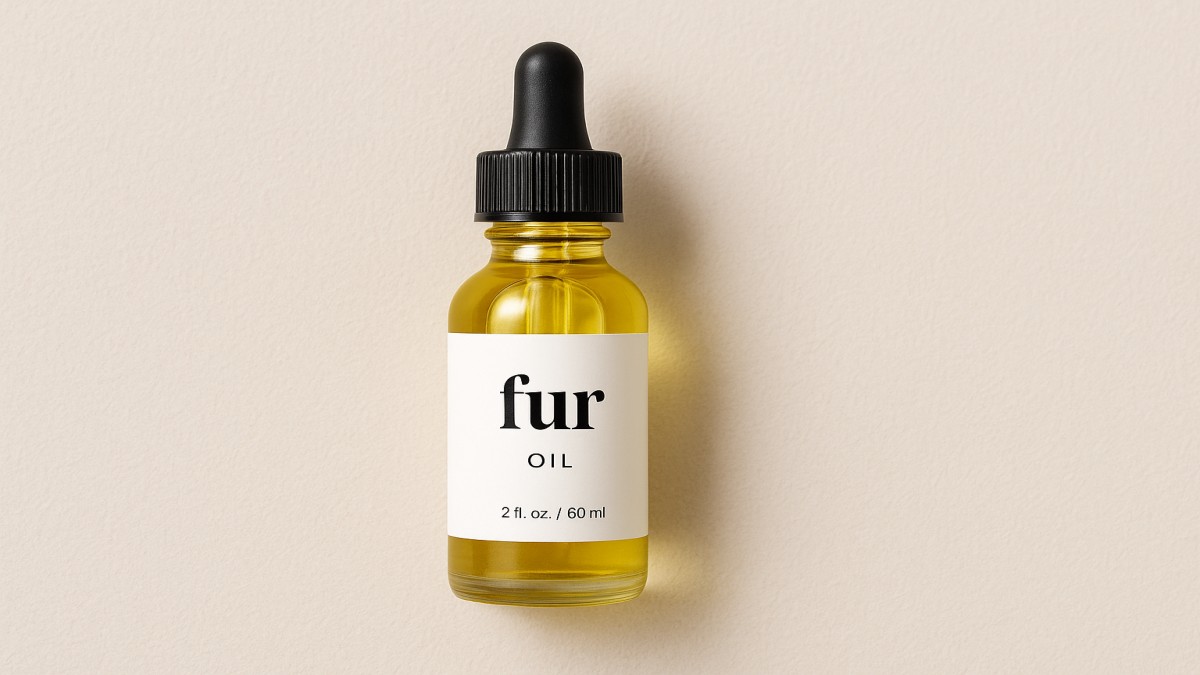
Fur oil is a lightweight, natural oil blend designed to soften hair and moisturize the skin underneath. Originally created to help with pubic hair and bikini area care, it has gained popularity as a multipurpose product. People now use it on their legs, underarms, beards, and even as an all-over body oil.
Most fur oils are made with botanical oils like grapeseed, jojoba, coconut, and tea tree oil, which are known for their moisturizing, anti-inflammatory, and antibacterial properties.
The Origin of Fur Oil
The product was popularized by a brand called Fur, which launched in 2016. It stood out because it addressed an often-ignored area of personal care: hair and skin “down there.” Since then, fur oil has expanded its fanbase worldwide, praised by celebrities, dermatologists, and everyday users alike. Its sleek packaging and natural ingredients quickly made it a beauty must-have.
Key Ingredients in Fur Oil
Most fur oils are made with simple, plant-based ingredients. Common ones include:
- Grapeseed Oil – Rich in antioxidants, lightweight, and fast-absorbing.
- Jojoba Oil – Mimics natural skin oils, balances hydration.
- Coconut Oil – Moisturizes deeply and protects against dryness.
- Tea Tree Oil – Fights bacteria and prevents ingrown hairs.
- Vitamin E – Nourishes skin and promotes healing.
This combination makes fur oil gentle enough for sensitive skin yet powerful enough to smooth hair and prevent irritation.
Benefits of Fur Oil
So, why are people raving about fur oil? Here are the top benefits:
1. Softens Hair
Whether it’s pubic hair, underarm hair, or even beard hair, fur oil helps make coarse strands softer and more manageable.
2. Prevents Ingrown Hairs
Tea tree and other natural oils soothe the skin and keep pores clear, reducing painful ingrown hairs after shaving or waxing.
3. Moisturizes the Skin
Fur oil hydrates the skin without clogging pores. It’s great for sensitive areas prone to dryness and irritation.
4. Reduces Irritation
After shaving or waxing, skin often feels red and itchy. Fur oil calms irritation, leaving skin smooth and comfortable.
5. Multipurpose Use
You’re not limited to one area. Fur oil works on legs, arms, underarms, face (for beards), and even as an all-over body oil.
How to Use Fur Oil
Using fur oil is simple:
- Clean the area – Make sure your skin is clean and dry.
- Apply a few drops – Start with 3–5 drops on your fingertips.
- Massage gently – Work it into the hair and skin until absorbed.
- Use daily – For best results, apply consistently after showering.
Pro tip: A little goes a long way, so don’t overdo it.
Who Can Use Fur Oil?
Fur oil is designed for both men and women, and it’s safe for most skin types, including sensitive skin. If you struggle with irritation, dryness, or ingrown hairs in shaved or waxed areas, you’ll likely benefit from it.
Fur Oil vs. Regular Body Oils
You might be wondering, “Why not just use regular coconut oil or lotion?” While those can work, fur oil is formulated specifically for sensitive areas where hair and skin need extra care. Its lightweight blend absorbs quickly, doesn’t feel greasy, and targets ingrown hairs better than most generic body oils.
Conclusion
Fur oil is more than a beauty trend—it’s a practical, multipurpose solution for softening hair, preventing irritation, and moisturizing sensitive skin. Whether you want smoother pubic hair, a healthier beard, or simply less post-shave redness, fur oil can make a noticeable difference.
It’s natural, lightweight, and easy to use, making it a worthy addition to your skincare routine.
FAQs About Fur Oil
Q1: Can fur oil be used on the face?
Yes, especially for beards. It softens facial hair and hydrates the skin underneath.
Q2: Is fur oil safe for daily use?
Absolutely. Using it daily helps prevent ingrown hairs and dryness.
Q3: Can fur oil replace shaving cream?
Not exactly—it’s better as an aftercare product rather than for shaving itself.
Q4: Is fur oil worth the price?
If you deal with ingrown hairs, irritation, or coarse hair, it’s worth trying. Otherwise, cheaper oils may work.
Q5: Can I make my own fur oil at home?
Yes! Mixing jojoba, grapeseed, and tea tree oil can create a simple DIY version.

How to Start a House Painting Business: Simple Steps That Turn Your Painting Skills Into Income

How to Start a Window Cleaning Business: Simple Steps That Turn Your Skills Into Income

How to Start a Pet Grooming Business: Simple Steps That Turn Your Love of Animals Into Income

How to Start a Car Detailing Business: Simple Steps That Turn Your Skills Into Income

How to Start a Pressure Washing Business: A Simple Guide That Gets You Your First Customers

How to Start a Lawn Mowing Business: Simple Steps That Turn Mowing Into Income

How to Start a Dog Walking Business: Simple Steps That Turn Walks Into Income

How to Start a House Cleaning Business: Simple Steps That Win Your First Clients

How to Pay Employees in Your Small Business: Simple Steps That Get It Right

How to Do Market Research for Small Business: Simple Steps That Find Your Customers

How to Repurpose Blog Content for Social Media Without Starting From Scratch

How to Write a Simple Business Plan for Your Small Business: A Practical Guide That Gets You Started

How to Create a Small Business Content Marketing Plan That Actually Gets Results
How to Handle Customer Complaints in a Small Business: A Calm, Practical Guide That Turns Problems Into Loyalty

How to Get More Clients for Your Business: Simple Ways That Actually Work

How to Create a Content Calendar for a Small Business

How to Write a Professional Business Email That Gets a Reply

How to Set Up a Simple Referral Program for Your Small Business: A Beginner’s Guide That Brings in New Customers

How to Set SMART Goals for a Small Business: A Practical Guide That Actually Works

Branding Tips for Small Businesses: A Simple Guide That Makes You Memorable

How to Start a House Painting Business: Simple Steps That Turn Your Painting Skills Into Income

How to Start a Window Cleaning Business: Simple Steps That Turn Your Skills Into Income

How to Start a Pet Grooming Business: Simple Steps That Turn Your Love of Animals Into Income

How to Start a Car Detailing Business: Simple Steps That Turn Your Skills Into Income

How to Start a Pressure Washing Business: A Simple Guide That Gets You Your First Customers

How to Start a Lawn Mowing Business: Simple Steps That Turn Mowing Into Income

How to Start a Dog Walking Business: Simple Steps That Turn Walks Into Income

How to Start a House Cleaning Business: Simple Steps That Win Your First Clients

How to Pay Employees in Your Small Business: Simple Steps That Get It Right

How to Do Market Research for Small Business: Simple Steps That Find Your Customers
Trending
entertainment1 year agoPYT Telegram: A Complete Guide to Understanding, Using, and Maximizing It
entertainment1 year agoOnionFlix: Everything You Need to Know About This Streaming Website
education1 year agoHow to Become a Software Engineer: A Complete Guide
others1 year agoNook vs Kindle: Which E-Reader Is Right for You?