fashion
Fur for Coat: A Complete Guide to Luxury, Warmth, and Style
Published
1 year agoon
By
Hamari Web
Table of Contents
ToggleIntroduction
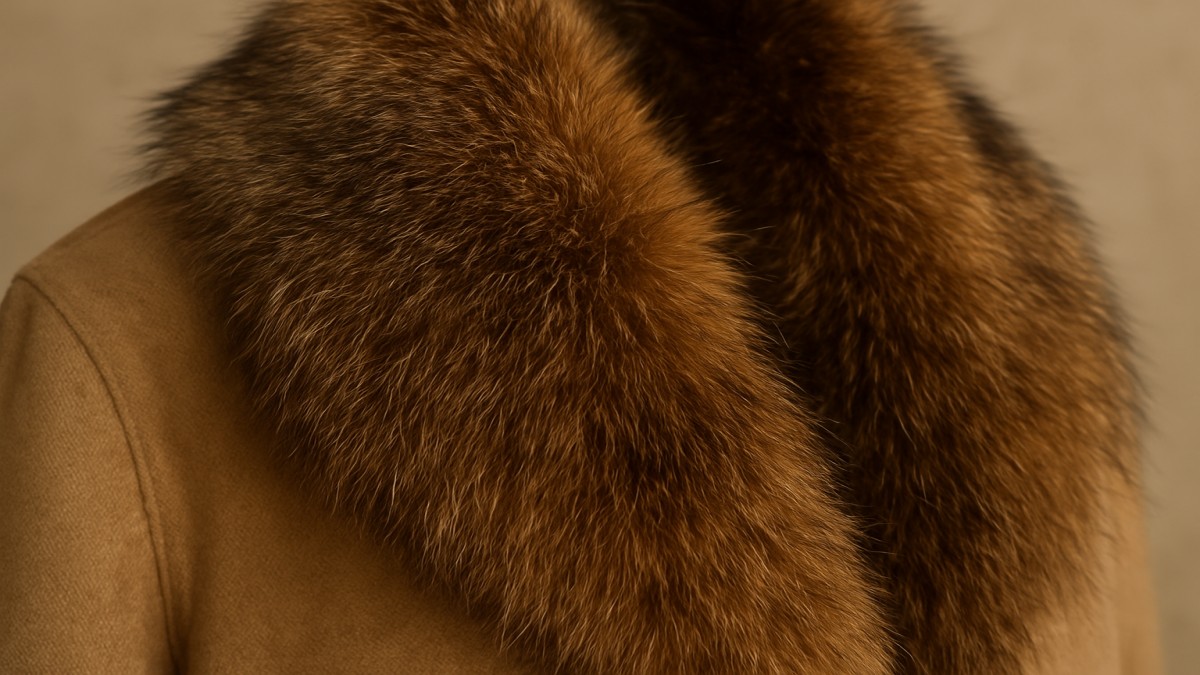
Fur has long been associated with luxury, elegance, and practicality. For centuries, people have used fur for coats to stay warm during harsh winters while making bold fashion statements. Whether it’s natural fur or modern faux alternatives, coats with fur remain one of the most sought-after wardrobe essentials. In this guide, we’ll dive into the history of fur coats, different types of fur, the debate between real and faux, styling tips, and how to care for these iconic fashion pieces.
A Brief History of Fur Coats
Fur as clothing dates back to prehistoric times when early humans used animal pelts for survival against extreme cold. Over the centuries, fur became more than just functional—it turned into a symbol of wealth and social status.
- Middle Ages: Nobles and royals wore fur coats to showcase power.
- 19th Century: Fur became a staple in high fashion, especially mink and sable.
- Modern Day: Designers incorporate both real and faux fur in stylish, sustainable ways.
Why Choose Fur for Coats?
Fur coats remain popular for a variety of reasons:
- Warmth: Natural fur provides unmatched insulation.
- Luxury Appeal: A fur coat adds instant elegance.
- Durability: With proper care, fur coats can last decades.
- Versatility: Works with casual, formal, or evening outfits.
Types of Fur Used in Coats
Different types of fur offer unique textures, warmth levels, and appearances:
Mink Fur
- Soft, glossy, and lightweight.
- One of the most luxurious and expensive options.
Fox Fur
- Known for its fluffiness and volume.
- Available in many natural colors.
Rabbit Fur
- Affordable, lightweight, and soft.
- Common in entry-level fur coats.
Sable Fur
- Considered the ultimate luxury fur.
- Extremely soft, silky, and rare.
Chinchilla Fur
- Exceptionally soft and delicate.
- Requires careful handling due to fragility.
The Rise of Faux Fur
In recent decades, faux fur has gained massive popularity. Made from synthetic fibers, it replicates the look and feel of natural fur without using animal pelts.
- Advantages: Affordable, animal-friendly, and widely available.
- Drawbacks: Less durable and not as warm as natural fur.
Fur Coats in Fashion
Fur coats have been a staple on fashion runways and in celebrity wardrobes:
- Classic Long Fur Coats: Glamorous and dramatic.
- Fur Jackets: Shorter, trendier versions for modern wear.
- Trimmed Coats: Wool or leather coats enhanced with fur collars or cuffs.
- Statement Colors: Designers experiment with dyed furs in bold shades.
How to Style a Fur Coat
A fur coat is versatile when styled the right way:
- Casual Look: Pair a fur jacket with jeans and boots.
- Office Wear: A fur-trimmed coat layered over business attire.
- Evening Glam: Long fur coats with gowns or cocktail dresses.
- Street Style: Oversized faux fur coats with sneakers for an edgy vibe.
Real Fur vs. Faux Fur: The Debate
The use of real fur is controversial, sparking debates between tradition and ethics:
- Real Fur: Natural, long-lasting, biodegradable, but involves animal use.
- Faux Fur: Cruelty-free, cheaper, and fashion-forward, but often made of plastics that are less eco-friendly.
How to Care for Fur Coats
To keep a fur coat in excellent condition:
- Storage: Store in a cool, dry place away from sunlight.
- Professional Cleaning: Avoid DIY cleaning—use specialized fur cleaning services.
- Avoid Heat & Moisture: Keep away from radiators or damp conditions.
- Use Proper Hangers: Wide-shouldered hangers to maintain shape.
Fur Coats in Pop Culture
From Hollywood movies to music videos, fur coats have been a symbol of glamour and power:
- Stars like Marilyn Monroe and Elizabeth Taylor made fur a Hollywood staple.
- Modern celebrities like Kim Kardashian and Rihanna often showcase bold fur looks.
The Future of Fur Fashion
The fashion industry is shifting:
- Sustainability: More focus on ethical and eco-friendly materials.
- High-Quality Faux Fur: Designers are developing luxurious alternatives.
- Vintage Revival: Second-hand fur coats are gaining popularity for sustainability.
Conclusion
A fur coat is more than just clothing—it’s a blend of warmth, luxury, and timeless style. While debates continue between real and faux, there’s no denying that fur (in all its forms) has shaped fashion for centuries. Whether you choose natural fur for tradition or faux fur for ethical reasons, a fur coat will always remain an iconic wardrobe piece.
FAQs
1. Are fur coats still in style today?
Yes, both real and faux fur coats are popular in modern fashion, often seen on runways and in streetwear.
2. How long can a fur coat last?
With proper care, a quality fur coat can last 20–30 years or more.
3. What’s the warmest type of fur for coats?
Mink and fox fur are known for warmth, but sable and chinchilla offer unmatched luxury.
4. Is faux fur eco-friendly?
Faux fur is animal-friendly but often made of synthetic fibers, which may not be biodegradable.
5. Can fur coats be altered or resized?
Yes, professional furriers can tailor, resize, or restyle fur coats to fit new fashion trends.

How to Start a Window Cleaning Business: Simple Steps That Turn Your Skills Into Income

How to Start a Pet Grooming Business: Simple Steps That Turn Your Love of Animals Into Income

How to Start a Car Detailing Business: Simple Steps That Turn Your Skills Into Income

How to Start a Pressure Washing Business: A Simple Guide That Gets You Your First Customers

How to Start a Lawn Mowing Business: Simple Steps That Turn Mowing Into Income

How to Start a Dog Walking Business: Simple Steps That Turn Walks Into Income

How to Start a House Cleaning Business: Simple Steps That Win Your First Clients

How to Pay Employees in Your Small Business: Simple Steps That Get It Right

How to Do Market Research for Small Business: Simple Steps That Find Your Customers

How to Start a Tutoring Business: Simple Steps That Turn Your Knowledge Into Income

How to Repurpose Blog Content for Social Media Without Starting From Scratch

How to Write a Simple Business Plan for Your Small Business: A Practical Guide That Gets You Started

How to Create a Small Business Content Marketing Plan That Actually Gets Results
How to Handle Customer Complaints in a Small Business: A Calm, Practical Guide That Turns Problems Into Loyalty

How to Get More Clients for Your Business: Simple Ways That Actually Work

How to Write a Professional Business Email That Gets a Reply

How to Create a Content Calendar for a Small Business

How to Set SMART Goals for a Small Business: A Practical Guide That Actually Works

How to Set Up a Simple Referral Program for Your Small Business: A Beginner’s Guide That Brings in New Customers

Branding Tips for Small Businesses: A Simple Guide That Makes You Memorable

How to Start a Window Cleaning Business: Simple Steps That Turn Your Skills Into Income

How to Start a Pet Grooming Business: Simple Steps That Turn Your Love of Animals Into Income

How to Start a Car Detailing Business: Simple Steps That Turn Your Skills Into Income

How to Start a Pressure Washing Business: A Simple Guide That Gets You Your First Customers

How to Start a Lawn Mowing Business: Simple Steps That Turn Mowing Into Income

How to Start a Dog Walking Business: Simple Steps That Turn Walks Into Income

How to Start a House Cleaning Business: Simple Steps That Win Your First Clients

How to Pay Employees in Your Small Business: Simple Steps That Get It Right

How to Do Market Research for Small Business: Simple Steps That Find Your Customers

How to Start a Tutoring Business: Simple Steps That Turn Your Knowledge Into Income
Trending
entertainment1 year agoPYT Telegram: A Complete Guide to Understanding, Using, and Maximizing It
entertainment1 year agoOnionFlix: Everything You Need to Know About This Streaming Website
education1 year agoHow to Become a Software Engineer: A Complete Guide
others1 year agoNook vs Kindle: Which E-Reader Is Right for You?