food
Grana Padano – Italy’s Beloved Hard Cheese

Introduction to Grana Padano
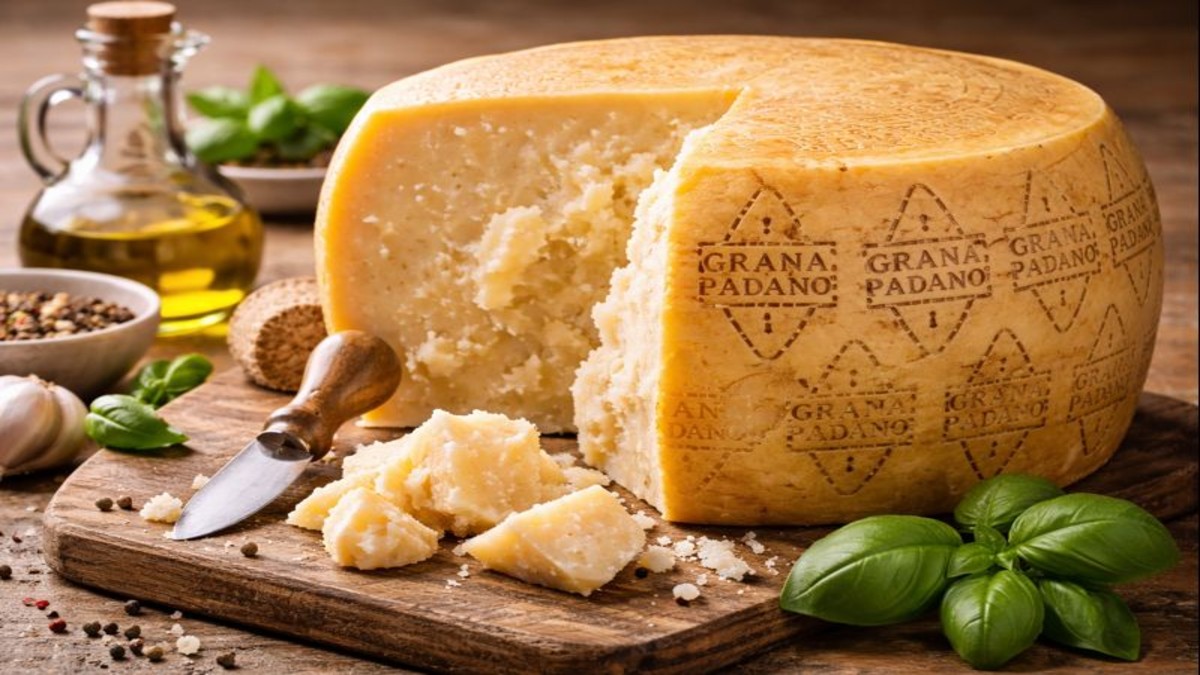
If Italian cuisine had a supporting cast of heroes, Grana Padano would be right at the top. Nutty, crumbly, and deeply savory, this hard cheese quietly elevates everything it touches from pasta and risotto to salads and soups. It’s the kind of ingredient that doesn’t shout but always delivers.
So what makes Grana Padano such a kitchen essential? Let’s break it down.
What Is Grana Padano?
Grana Padano is a hard, granular Italian cheese made from cow’s milk and aged to perfection. The word “grana” refers to its grainy texture, while “Padano” points to the Po Valley where it originates.
PDO Status and Legal Protection
Grana Padano has PDO (Protected Designation of Origin) status. That means only cheese made in specific regions of Italy, following strict rules, can legally be called Grana Padano.
History of Grana Padano
Origins in Medieval Italy
Grana Padano dates back to the 12th century. Benedictine monks needed a way to preserve surplus milk, so they created a hard cheese that could age for months—or even years.
Monks and the Birth of Long-Aged Cheese
Their innovation worked so well that the recipe spread quickly. Over time, Grana Padano became a staple across northern Italy and beyond.
Where Grana Padano Comes From
Authorized Production Regions
Authentic Grana Padano is produced in parts of:
- Lombardy
- Veneto
- Emilia-Romagna
- Piedmont
- Trentino-Alto Adige
Importance of Geography and Climate
The local grass, climate, and traditional farming methods all contribute to the cheese’s distinctive flavor.
How Grana Padano Is Made
Milk Selection
Only high-quality cow’s milk is used, typically partially skimmed to achieve the right balance of fat and protein.
Traditional Production Process
- Milk is heated and curdled
- Curds are broken into small grains
- The cheese is molded and salted
- Wheels are aged on wooden shelves
Aging and Quality Control
Grana Padano is aged for at least 9 months, though many wheels mature for 16–24 months. Each wheel is inspected and fire-branded if it meets standards.
Taste and Texture Profile
Flavor Notes
Grana Padano offers:
- Nutty undertones
- Mild sweetness
- Savory, umami depth
It’s complex without being overpowering.
Texture and Appearance
Hard and crumbly, with tiny crystals that crunch slightly as you eat—those crystals are a sign of proper aging.
Grana Padano vs Parmigiano Reggiano
Key Differences
- Grana Padano uses lysozyme (a natural preservative); Parmigiano does not
- Grana Padano ages for a shorter time
- Grana Padano is usually more affordable
Which One Should You Choose?
If you want a versatile, budget-friendly option with excellent flavor, Grana Padano is a fantastic choice.
Nutritional Value of Grana Padano
Protein, Calcium, and Minerals
Grana Padano is packed with:
- High-quality protein
- Calcium for bones
- Phosphorus and zinc
Is It Healthy?
In moderation, yes. It’s naturally lactose-free due to aging and fits well into balanced diets.
How to Use Grana Padano in Cooking
Grating and Shaving
Perfect for finishing pasta, pizza, and roasted vegetables.
Cooking and Melting Uses
It melts beautifully into risottos, sauces, and soups.
Pairing with Foods and Drinks
Pairs well with:
- Pasta and polenta
- Pears and apples
- Red wine or dry white wine
Popular Dishes Using Grana Padano
- Risotto alla Milanese
- Caesar-style salads
- Minestrone soup
- Stuffed vegetables
It’s like the Swiss Army knife of cheeses—always useful.
How to Store Grana Padano
Proper Storage Tips
Wrap it in wax paper or parchment, then loosely in foil. Store in the refrigerator.
Shelf Life After Opening
Properly stored, it can last several weeks without losing quality.
Buying Authentic Grana Padano
How to Spot the Real Thing
Look for:
- The dotted rind inscription
- The Grana Padano logo
- PDO markings
Labels and Markings to Look For
Avoid generic “grana-style” cheeses if you want the real experience.
Why Grana Padano Is Loved by Chefs
Chefs love its consistency, affordability, and ability to enhance dishes without stealing the spotlight. It’s dependable, like a great sous-chef.
Conclusion
Grana Padano is proof that simple ingredients, handled with care and tradition, can create something extraordinary. Whether you’re cooking a weeknight pasta or hosting a dinner party, this Italian classic brings depth, richness, and authenticity to your table. Once you start using it, it’s hard to imagine your kitchen without it.
FAQs
1. Is Grana Padano lactose-free?
Yes, the aging process removes lactose.
2. Can Grana Padano be eaten on its own?
Absolutely—shave it and enjoy with fruit or wine.
3. How long is Grana Padano aged?
Minimum 9 months, often longer.
4. Is Grana Padano vegetarian?
No, it uses animal rennet.
5. Can I substitute Grana Padano for Parmesan?
Yes, it works well in most recipes.

Consultative Selling Techniques: A Complete Guide to Building Customer Trust in 2026

Sales Objection Handling: A Complete Guide to Closing More Deals in 2026

Customer Closing Techniques: A Complete Guide to Converting Prospects into Buyers (2026)

Customer Conversion Process: A Complete Guide to Turning Visitors into Loyal Customers (2026)

Sales Funnel Examples: A Complete Guide to Converting More Customers (2026)

Lead Qualification Framework: A Complete Guide to Finding High-Quality Customers (2026)

Website Credibility Factors: A Complete Guide to Building Trust Online (2026)

Online Reputation Monitoring: A Complete Guide to Protecting Your Brand in 2026

Customer Testimonial Strategy: A Complete Guide to Building Trust and Increasing Sales (2026)

Business Storytelling Framework: A Complete Guide to Building Strong Brand Connections (2026)
Consultative Selling Techniques: A Complete Guide to Building Customer Trust in 2026
Sales Objection Handling: A Complete Guide to Closing More Deals in 2026
Customer Closing Techniques: A Complete Guide to Converting Prospects into Buyers (2026)
Customer Conversion Process: A Complete Guide to Turning Visitors into Loyal Customers (2026)
Sales Funnel Examples: A Complete Guide to Converting More Customers (2026)
Lead Qualification Framework: A Complete Guide to Finding High-Quality Customers (2026)
Website Credibility Factors: A Complete Guide to Building Trust Online (2026)
Online Reputation Monitoring: A Complete Guide to Protecting Your Brand in 2026
Customer Testimonial Strategy: A Complete Guide to Building Trust and Increasing Sales (2026)
Business Storytelling Framework: A Complete Guide to Building Strong Brand Connections (2026)

 entertainment1 year ago
PYT Telegram: A Complete Guide to Understanding, Using, and Maximizing It

 entertainment1 year ago
OnionFlix: Everything You Need to Know About This Streaming Website
- education1 year ago
How to Become a Software Engineer: A Complete Guide
- others12 months ago
Nook vs Kindle: Which E-Reader Is Right for You?