others
Assimilasjon: Meaning, Process, Examples, and Impact on Society

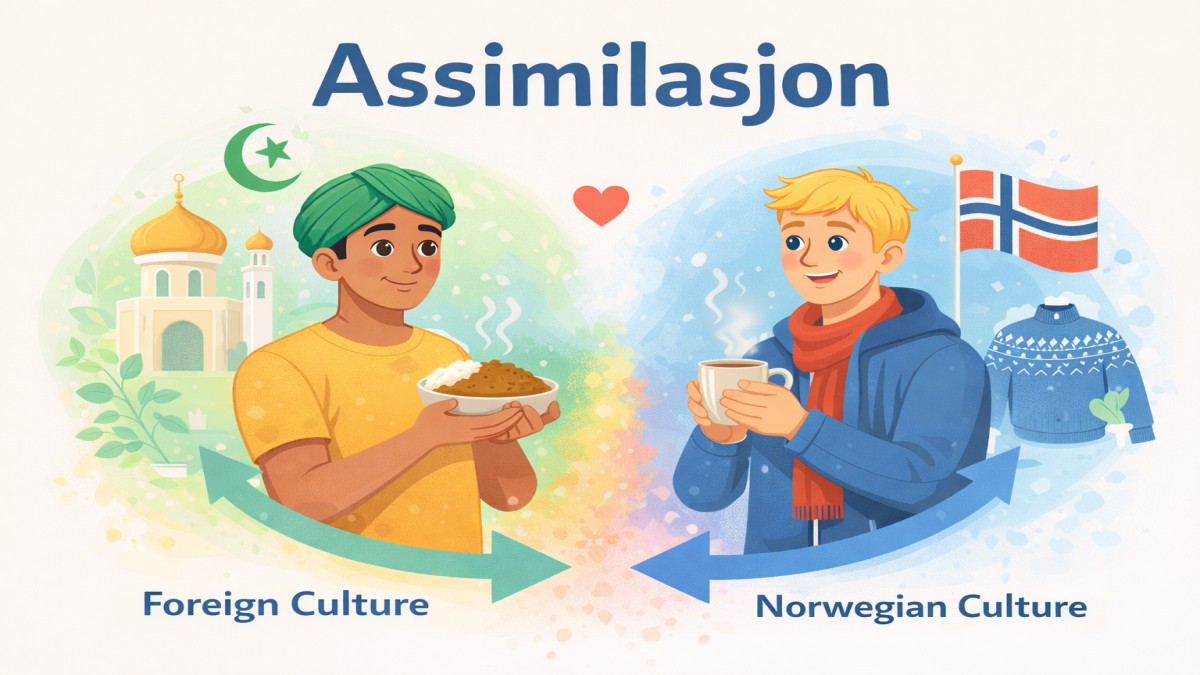
Assimilasjon is a word you’ll often hear in discussions about culture, language, immigration, and education—especially in Nordic and European contexts. But what does it really mean? And why does it matter so much in today’s globalized world?
In simple terms, assimilasjon (assimilation) refers to the process where individuals or groups gradually adopt the customs, values, language, and behaviors of a dominant culture. Think of it like blending into a new environment until you start moving, thinking, and living like those already there.
Let’s break it down step by step and explore how assimilasjon works, where it shows up, and why it’s both praised and criticized.
What Is Assimilasjon?
Basic Definition
Assimilasjon is the social and cultural process in which a minority group adapts to and becomes similar to the majority culture. Over time, differences in language, traditions, and identity may fade.
In many cases, assimilasjon happens naturally. In others, it’s encouraged—or even enforced—through policies, education systems, or social pressure.
Assimilasjon vs. Integration
Key Differences
People often confuse assimilation with integration, but they’re not the same.
- Assimilasjon means adopting the dominant culture, often at the cost of one’s original identity.
- Integration allows individuals to participate in society while still preserving their cultural background.
If integration is like adding ingredients to a salad bowl, assimilasjon is more like melting everything into a single soup.
Types of Assimilasjon
Cultural Assimilasjon
This involves adopting cultural norms such as clothing styles, social behavior, food habits, and traditions.
Linguistic Assimilasjon
Language plays a huge role. When people stop using their native language and switch entirely to the dominant one, linguistic assimilation has taken place.
Social Assimilasjon
This happens when social interactions—friendships, marriages, workplaces—are no longer divided along cultural or ethnic lines.
Structural Assimilasjon
Minority groups gain access to institutions like education, politics, and the economy at the same level as the majority population.
Assimilasjon in Immigration
Why Immigrants Experience Assimilasjon
Immigrants often face strong pressure to assimilate. Learning the local language, understanding social norms, and adapting to work culture are usually essential for survival and success.
For example, immigrants moving to Scandinavian countries may be encouraged to adopt local values such as punctuality, equality, and social trust.
Historical Examples of Assimilasjon
Indigenous Populations
In many parts of the world, indigenous communities were forced to assimilate through schooling, religion, and government policies, often losing their languages and traditions.
European Migration to America
During the 19th and early 20th centuries, immigrants to the United States were expected to “become American,” leading to widespread cultural assimilation.
Assimilasjon in Education
Schools as Agents of Assimilasjon
Education systems often promote a shared national identity. Language instruction, history lessons, and cultural norms taught in schools can speed up assimilation.
While this can promote unity, it may also marginalize students from diverse cultural backgrounds.
Advantages of Assimilasjon
Social Cohesion
A shared culture and language can make communication easier and reduce social friction.
Economic Opportunities
Assimilated individuals may find it easier to access jobs, education, and professional networks.
National Identity
Assimilasjon can strengthen a sense of belonging and shared national values.
Disadvantages of Assimilasjon
Loss of Cultural Identity
One of the biggest downsides is the erosion of language, traditions, and heritage.
Psychological Impact
Feeling pressured to abandon one’s identity can lead to stress, confusion, and a sense of loss.
Cultural Homogenization
When diversity fades, societies may lose creativity, perspectives, and cultural richness.
Assimilasjon in Modern Society
Is Assimilasjon Still Relevant?
In today’s multicultural world, pure assimilation is increasingly questioned. Many societies now favor inclusion, diversity, and multiculturalism over complete assimilation.
However, debates continue—especially around language use, national values, and social cohesion.
Conclusion
Assimilasjon is a powerful social process that has shaped nations, cultures, and identities for centuries. While it can promote unity and opportunity, it also carries the risk of erasing diversity and personal heritage.
In today’s world, the challenge lies in finding a balance—where people can participate fully in society without losing who they are. Assimilasjon, when approached thoughtfully, can be a bridge rather than a barrier.
FAQs About Assimilasjon
1. What does assimilasjon mean in simple terms?
It means adopting the culture, language, and norms of a dominant society.
2. Is assimilasjon the same as integration?
No. Assimilasjon involves cultural replacement, while integration allows cultural coexistence.
3. Is assimilasjon always negative?
Not always. It can offer social and economic benefits, but it may also lead to cultural loss.
4. Does assimilasjon still happen today?
Yes, especially through language use, education, and media influence.
5. Can assimilasjon be reversed?
Cultural revival movements show that lost traditions and languages can sometimes be reclaimed.

Consultative Selling Techniques: A Complete Guide to Building Customer Trust in 2026

Sales Objection Handling: A Complete Guide to Closing More Deals in 2026

Customer Closing Techniques: A Complete Guide to Converting Prospects into Buyers (2026)

Customer Conversion Process: A Complete Guide to Turning Visitors into Loyal Customers (2026)

Sales Funnel Examples: A Complete Guide to Converting More Customers (2026)

Lead Qualification Framework: A Complete Guide to Finding High-Quality Customers (2026)

Website Credibility Factors: A Complete Guide to Building Trust Online (2026)

Online Reputation Monitoring: A Complete Guide to Protecting Your Brand in 2026

Customer Testimonial Strategy: A Complete Guide to Building Trust and Increasing Sales (2026)

Business Storytelling Framework: A Complete Guide to Building Strong Brand Connections (2026)
Consultative Selling Techniques: A Complete Guide to Building Customer Trust in 2026
Sales Objection Handling: A Complete Guide to Closing More Deals in 2026
Customer Closing Techniques: A Complete Guide to Converting Prospects into Buyers (2026)
Customer Conversion Process: A Complete Guide to Turning Visitors into Loyal Customers (2026)
Sales Funnel Examples: A Complete Guide to Converting More Customers (2026)
Lead Qualification Framework: A Complete Guide to Finding High-Quality Customers (2026)
Website Credibility Factors: A Complete Guide to Building Trust Online (2026)
Online Reputation Monitoring: A Complete Guide to Protecting Your Brand in 2026
Customer Testimonial Strategy: A Complete Guide to Building Trust and Increasing Sales (2026)
Business Storytelling Framework: A Complete Guide to Building Strong Brand Connections (2026)

 entertainment1 year ago
PYT Telegram: A Complete Guide to Understanding, Using, and Maximizing It

 entertainment1 year ago
OnionFlix: Everything You Need to Know About This Streaming Website
- education1 year ago
How to Become a Software Engineer: A Complete Guide
- others12 months ago
Nook vs Kindle: Which E-Reader Is Right for You?