animal
Orinoco Crocodile – The Giant Guardian of South American Rivers

Introduction to the Orinoco Crocodile
The Orinoco crocodile is one of nature’s true giants, a living relic from prehistoric times. Found only in parts of Venezuela and Colombia, this massive reptile commands respect and curiosity. Sadly, it’s also one of the most endangered crocodilians on Earth, making its story both fascinating and urgent.
Scientific Classification and Taxonomy
Scientific Name and Family
The Orinoco crocodile is scientifically known as Crocodylus intermedius. It belongs to the family Crocodylidae, which includes crocodiles, alligators, and caimans.
Evolutionary Background
This species has ancient roots, tracing its lineage back millions of years. Its physical form has changed very little over time, earning it the nickname “living fossil.”
Physical Characteristics
Size, Weight, and Coloration
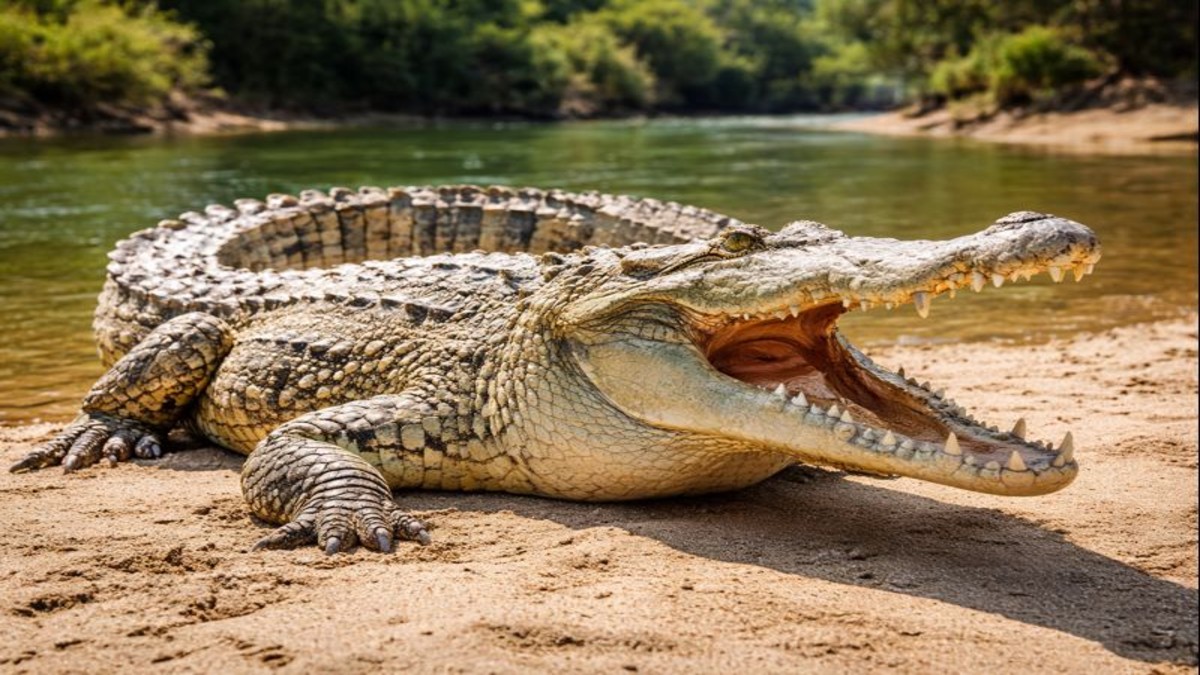
The Orinoco crocodile is among the largest crocodiles in the world. Adult males can grow up to 6 meters (20 feet) long. Its skin is pale olive or yellowish-gray, helping it blend perfectly into muddy riverbanks.
Unique Physical Adaptations
Long, powerful jaws, sharp teeth, and a muscular tail make this crocodile a top predator. Its strong limbs allow it to move surprisingly well on land for such a large reptile.
Natural Habitat and Distribution
Orinoco River Basin
As the name suggests, this crocodile lives in the Orinoco River basin. Slow-moving rivers, seasonal wetlands, and sandy riverbanks provide ideal conditions.
Preferred Environmental Conditions
Warm temperatures, abundant prey, and isolated nesting areas are essential for survival.
Behavior and Lifestyle
Daily Activity Patterns
Orinoco crocodiles are mostly diurnal, basking in the sun during the day to regulate body temperature.
Territorial Nature
They are highly territorial, especially during the breeding season, and will aggressively defend their space.
Diet and Hunting Techniques
Juvenile vs Adult Diet
Young crocodiles feed on insects, crustaceans, and small fish. Adults prefer larger prey such as fish, birds, turtles, and mammals.
Hunting Strategies
Using stealth and patience, the Orinoco crocodile ambushes prey with lightning-fast strikes. Think of it as nature’s ultimate surprise attack expert.
Reproduction and Life Cycle
Nesting and Egg Laying
Females dig nests in sandy riverbanks and lay up to 60 eggs. Temperature plays a crucial role in determining the sex of the hatchlings.
Parental Care
Unlike many reptiles, mothers guard their nests and help hatchlings reach the water safely.
Role in the Ecosystem
As an apex predator, the Orinoco crocodile helps maintain ecological balance by controlling prey populations and supporting healthy river systems.
Relationship with Humans
Historically hunted for its valuable skin, this crocodile has suffered greatly from human activity. Today, conservationists are working to rebuild trust and coexistence.
Threats and Conservation Status
Why the Orinoco Crocodile Is Critically Endangered
Habitat loss, illegal hunting, and low reproduction rates have pushed this species to the brink of extinction.
Conservation Efforts
Breeding programs, habitat protection, and legal enforcement are offering a glimmer of hope for survival.
Cultural and Historical Significance
Local legends often portray the Orinoco crocodile as a river guardian, symbolizing strength and endurance.
Interesting Facts About the Orinoco Crocodile
- One of the rarest crocodiles in the world
- Can live over 70 years
- Has one of the strongest bites in the animal kingdom
Future Outlook for the Species
With continued conservation efforts and public awareness, there’s hope that this magnificent reptile can recover.
Conclusion
The Orinoco crocodile is more than just a predator—it’s a vital part of South America’s natural heritage. Protecting it means preserving entire ecosystems and honoring a species that has survived since prehistoric times.
FAQs
1. Where does the Orinoco crocodile live?
It lives in the Orinoco River basin in Venezuela and Colombia.
2. How big can an Orinoco crocodile grow?
Some individuals can reach up to 6 meters in length.
3. Why is the Orinoco crocodile endangered?
Due to habitat destruction, hunting, and low reproduction rates.
4. What does the Orinoco crocodile eat?
Fish, birds, reptiles, and mammals.
5. Are Orinoco crocodiles dangerous to humans?
They can be dangerous if threatened, but attacks are extremely rare.
Please don’t forget to leave a review.

Consultative Selling Techniques: A Complete Guide to Building Customer Trust in 2026

Sales Objection Handling: A Complete Guide to Closing More Deals in 2026

Customer Closing Techniques: A Complete Guide to Converting Prospects into Buyers (2026)

Customer Conversion Process: A Complete Guide to Turning Visitors into Loyal Customers (2026)

Sales Funnel Examples: A Complete Guide to Converting More Customers (2026)

Lead Qualification Framework: A Complete Guide to Finding High-Quality Customers (2026)

Website Credibility Factors: A Complete Guide to Building Trust Online (2026)

Online Reputation Monitoring: A Complete Guide to Protecting Your Brand in 2026

Customer Testimonial Strategy: A Complete Guide to Building Trust and Increasing Sales (2026)

Business Storytelling Framework: A Complete Guide to Building Strong Brand Connections (2026)
Consultative Selling Techniques: A Complete Guide to Building Customer Trust in 2026
Sales Objection Handling: A Complete Guide to Closing More Deals in 2026
Customer Closing Techniques: A Complete Guide to Converting Prospects into Buyers (2026)
Customer Conversion Process: A Complete Guide to Turning Visitors into Loyal Customers (2026)
Sales Funnel Examples: A Complete Guide to Converting More Customers (2026)
Lead Qualification Framework: A Complete Guide to Finding High-Quality Customers (2026)
Website Credibility Factors: A Complete Guide to Building Trust Online (2026)
Online Reputation Monitoring: A Complete Guide to Protecting Your Brand in 2026
Customer Testimonial Strategy: A Complete Guide to Building Trust and Increasing Sales (2026)
Business Storytelling Framework: A Complete Guide to Building Strong Brand Connections (2026)

 entertainment1 year ago
PYT Telegram: A Complete Guide to Understanding, Using, and Maximizing It

 entertainment1 year ago
OnionFlix: Everything You Need to Know About This Streaming Website
- education1 year ago
How to Become a Software Engineer: A Complete Guide
- others1 year ago
Nook vs Kindle: Which E-Reader Is Right for You?