others
Internet DMs: Meaning, Uses, Risks, and Best Practices
Published
10 months agoon
By
Hamari Web
Table of Contents
ToggleIntroduction to Internet DMs
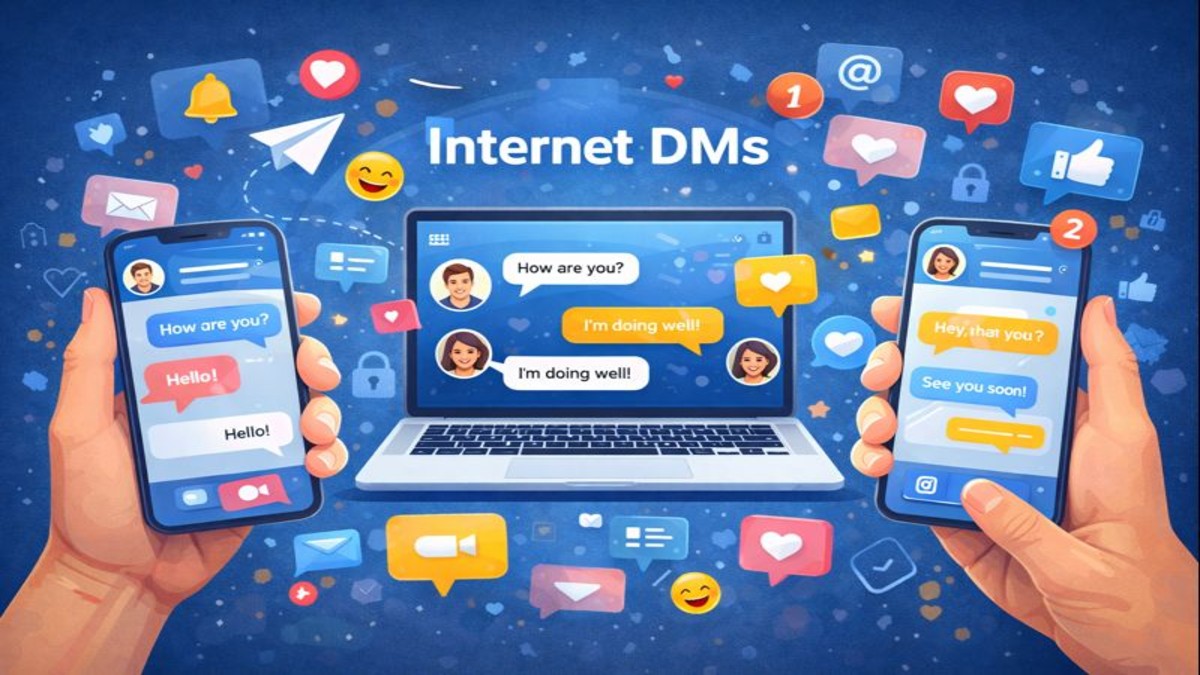
If you’ve spent even a few minutes on social media, you’ve probably heard someone say, “I’ll DM you.” Internet DMs have become a core part of how we communicate online. They’re fast, personal, and incredibly convenient. But with that convenience comes responsibility—and a few risks too.
Let’s break down what internet DMs are, how they work, and how to use them wisely.
What Does “Internet DMs” Mean on the Internet?
DM stands for Direct Message. It refers to a private message sent from one user to another on the internet, usually through social media platforms or messaging apps. Unlike public comments or posts, DMs are visible only to the sender and recipient.
Think of DMs as digital whispers in a crowded room—quiet, direct, and meant for specific ears only.
How DMs Became Popular
Before InternetDMs, online communication was mostly public: forums, comment sections, and chat rooms. As social networks grew, users wanted private spaces to talk one-on-one. Platforms like Twitter (now X), Instagram, and Facebook introduced DMs, and they quickly became a favorite feature.
How Internet DMs Work
Public vs Private Messaging
Public messages are visible to everyone—comments, replies, posts. DMs, on the other hand, are private conversations. Some platforms allow message requests, while others restrict DMs to mutual followers or friends.
Platforms That Use DMs
Social Media DMs
Platforms like Instagram, Facebook, X (Twitter), LinkedIn, and TikTok all offer DM features. These are commonly used for casual chats, networking, and business outreach.
Messaging Apps DMs
Apps such as WhatsApp, Telegram, Messenger, and Signal are built almost entirely around private messaging, essentially functioning as DM-centric platforms.
Common Uses of Internet DMs
Personal Communication
Friends and family use DMs to share updates, jokes, photos, and private thoughts without broadcasting them publicly.
Business and Marketing
Brands use internet DMs for customer support, promotions, order updates, and personalized marketing. Many customers now prefer DM support over email.
Networking and Collaboration
Internet DMs. Professionals often use LinkedIn DMs to connect, pitch ideas, or explore job opportunities. It’s like exchanging digital business cards.
Benefits of Using Internet DMs
Instant and Direct Communication
DMs are fast. There’s no waiting for emails or formal replies. Messages are delivered instantly, making conversations flow naturally.
Privacy and Convenience
Unlike public posts, DMs offer privacy. You can speak freely without worrying about an audience.
Relationship Building
Because DMs feel personal, they’re great for building trust—whether that’s between friends, customers, or professional contacts.
Risks and Challenges of Internet DMs
Scams and Phishing
One of the biggest risks of internet DMs is scams. Fake accounts may send messages pretending to be brands, influencers, or even friends.
Privacy Concerns
Sharing personal information in DMs can be risky if the other party isn’t trustworthy. Screenshots can be taken, and accounts can be hacked.
Miscommunication
Without tone of voice or facial expressions, DMs can sometimes be misunderstood. A joke might sound rude, or a short reply may feel cold.
Internet DMs and Online Safety
How to Spot Fake DMs
Red flags include:
- Urgent language (“Act now!”)
- Requests for passwords or money
- Suspicious links
- Poor grammar from “official” accounts
Protecting Your Personal Information
Never share sensitive details like passwords, OTPs, or bank information through DMs—even if the message looks legitimate.
Reporting and Blocking Users
Most platforms allow you to report suspicious DMs and block users. Use these tools freely—they’re there for your safety.
Internet DMs for Businesses
Customer Support via DMs
Many brands now offer support through DMs, answering questions faster and more personally than traditional channels.
Influencer and Brand Outreach
DMs are widely used for collaborations. A friendly, clear message can open doors to partnerships and growth.
Do’s and Don’ts for Business DMs
Do:
- Personalize messages
- Be clear and respectful
Don’t:
- Spam users
- Send generic copy-paste messages
Conclusion
Internet DMs have transformed the way we communicate online. They’re quick, personal, and powerful—but only when used wisely. Whether you’re chatting with friends, growing a business, or networking professionally, understanding how DMs work and how to stay safe makes all the difference. Treat DMs like real conversations, and they’ll serve you well.
FAQs
1. What are internet DMs used for most?
Internet DMs are mainly used for private conversations, business communication, customer support, and networking.
2. Are internet DMs safe?
They can be safe if you’re cautious. Avoid sharing sensitive information and watch out for scams.
3. Can businesses legally contact users via DMs?
Yes, but they should follow platform rules and respect user privacy to avoid spam complaints.
4. How do I stop unwanted DMs?
You can change privacy settings, block users, or restrict who can message you.
5. Are DMs better than email?
For quick, informal communication, yes. For official or detailed matters, email is often better.

How to Start a Lawn Mowing Business: Simple Steps That Turn Mowing Into Income

How to Start a Dog Walking Business: Simple Steps That Turn Walks Into Income

How to Start a House Cleaning Business: Simple Steps That Win Your First Clients

How to Pay Employees in Your Small Business: Simple Steps That Get It Right

How to Do Market Research for Small Business: Simple Steps That Find Your Customers

How to Start a Tutoring Business: Simple Steps That Turn Your Knowledge Into Income

How to Create a Digital Product to Sell: A Simple Guide for Small Business Beginners

Christmas Marketing Ideas for Small Businesses: Simple Ways to Win Festive Customers

Benefit of Sole Proprietorship: Simple Advantages That Make Starting Easy

Grant Funding for Small Businesses: A Simple Guide to Finding and Winning Grants

How to Repurpose Blog Content for Social Media Without Starting From Scratch

How to Write a Simple Business Plan for Your Small Business: A Practical Guide That Gets You Started

How to Create a Small Business Content Marketing Plan That Actually Gets Results
How to Handle Customer Complaints in a Small Business: A Calm, Practical Guide That Turns Problems Into Loyalty

How to Get More Clients for Your Business: Simple Ways That Actually Work

How to Create a Content Calendar for a Small Business

How to Write a Professional Business Email That Gets a Reply

How to Set SMART Goals for a Small Business: A Practical Guide That Actually Works

How to Set Up a Simple Referral Program for Your Small Business: A Beginner’s Guide That Brings in New Customers

How to Write a Business Proposal for Your Small Business: A Simple Guide That Wins Clients

How to Start a Lawn Mowing Business: Simple Steps That Turn Mowing Into Income

How to Start a Dog Walking Business: Simple Steps That Turn Walks Into Income

How to Start a House Cleaning Business: Simple Steps That Win Your First Clients

How to Pay Employees in Your Small Business: Simple Steps That Get It Right

How to Do Market Research for Small Business: Simple Steps That Find Your Customers

How to Start a Tutoring Business: Simple Steps That Turn Your Knowledge Into Income

How to Create a Digital Product to Sell: A Simple Guide for Small Business Beginners

Christmas Marketing Ideas for Small Businesses: Simple Ways to Win Festive Customers

Benefit of Sole Proprietorship: Simple Advantages That Make Starting Easy

Grant Funding for Small Businesses: A Simple Guide to Finding and Winning Grants
Trending
entertainment1 year agoPYT Telegram: A Complete Guide to Understanding, Using, and Maximizing It
entertainment1 year agoOnionFlix: Everything You Need to Know About This Streaming Website
education1 year agoHow to Become a Software Engineer: A Complete Guide
others1 year agoNook vs Kindle: Which E-Reader Is Right for You?