food
The Ultimate Guide to Sugar Free Red Bull: Benefits, Risks, and Everything You Need to Know

Introduction: Why Sugar Free Red Bull Matters
If you’ve ever needed a quick energy boost without worrying about added sugar or extra calories, you’ve likely heard of Sugar Free Red Bull. This caffeinated beverage offers many of the perks associated with traditional energy drinks such as enhanced alertness and reduced fatigue without the sugar rush or crash that often comes with regular Red Bull. Whether you’re studying late for exams, hitting the gym, or powering through a long shift, the sugar-free formula promises a cleaner energy boost. But what exactly goes into this drink, and is it really a healthier alternative? Let’s dive deep and unpack everything you need to know — from ingredients and benefits to risks and expert insights — in a way that’s easy to understand, evidence-based, and practical.
What Is Sugar Free Red Bull?
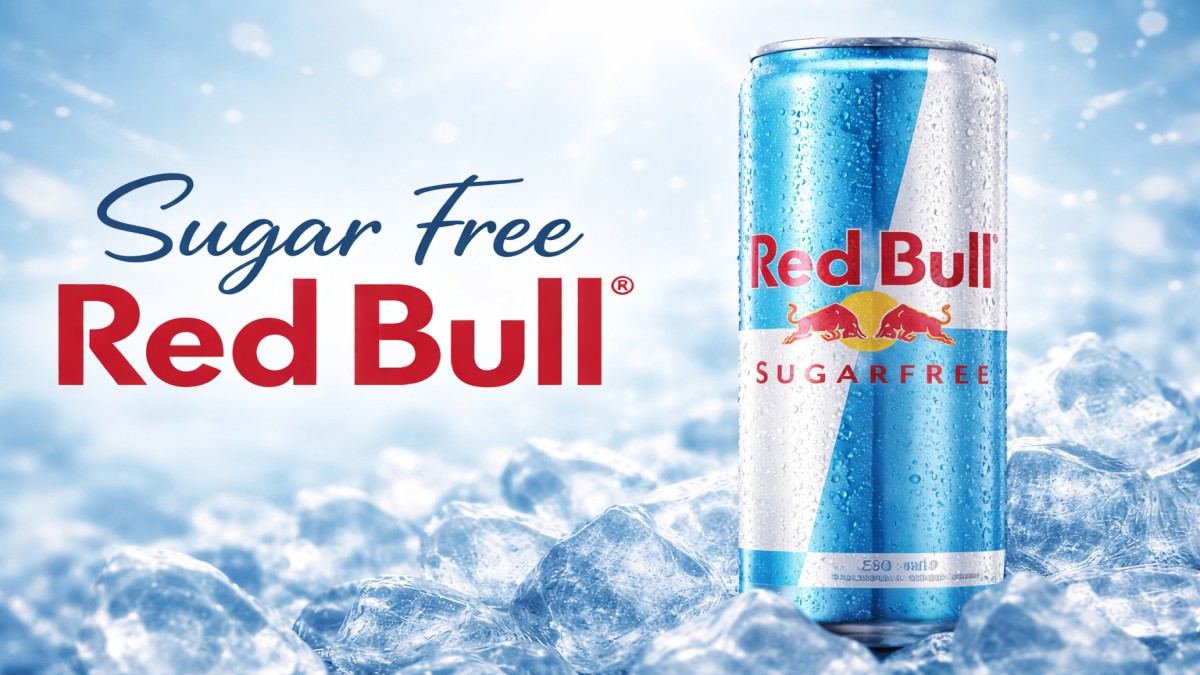
Sugar Free Red Bull is the no-sugar version of the classic Red Bull energy drink. Unlike the original formulation, which contains sugar and carbohydrates, this version replaces sugar with artificial sweeteners such as sucralose and acesulfame K to provide sweetness without calories. It still delivers the signature energy boost through caffeine, taurine, and B-group vitamins, giving you that recognizable “wings” feeling minus the sugar content.
Red Bull markets this sugar-free formula as a way to stay alert, reduce fatigue, and support concentration during challenging moments whether it’s early mornings, long drives, or heavy workloads.
History of Red Bull’s Sugar Free Variant
Red Bull first introduced its sugar-free version as consumer demand for lower-calorie and sugar-conscious products increased. Over the years, this variant has become one of the most popular sugar-free energy drinks worldwide, with many flavor adaptations and limited editions released in special markets. Compared to traditional sugar-sweetened Red Bull, this variant targets users who want the same caffeine and B-vitamin boost without the potential downsides of sugar intake.
Ingredients Breakdown
Caffeine
Caffeine is the primary active ingredient responsible for Red Bull’s energy-boosting effects. In a standard 250 ml can of Sugar Free Red Bull, you’ll find about 80 mg of caffeine, roughly equivalent to a cup of coffee. This amount helps increase alertness and focus, making it a go-to choice for moments when you need a boost.
Sweeteners
Since sugar is removed from this version, it’s replaced with artificial sweeteners like sucralose and acesulfame K. These sweeteners provide a sweet taste without calories, helping keep the drink low in calories (about 3 kcal per 100 ml).
Taurine and B-Vitamins
Sugar Free Red Bull includes taurine, an amino acid involved in electrolyte balance, and B-group vitamins (niacin, pantothenic acid, B6, and B12) that support energy metabolism and may help reduce fatigue.
Nutritional Facts and Calorie Count
Compared to traditional Red Bull, the sugar-free version has zero sugar and minimal calories. For example, per 100 ml, the drink typically contains:
- Energy: ~3 kcal
- Carbohydrates: 0 g
- Sugars: 0 g
- Protein: 0 g
- Fat: 0 g
- Salt: ~0.1 g
- B-Vitamins: B6, B12, Niacin, Pantothenic Acid
These figures make Sugar Free Red Bull especially appealing to calorie-conscious individuals or those managing sugar intake for health reasons.
How Sugar Free Red Bull Works in the Body
Once consumed, the caffeine in Sugar Free Red Bull quickly enters the bloodstream and stimulates the central nervous system. This leads to increased alertness, faster reaction times, and a temporary lift in energy levels. Alongside caffeine, B vitamins play a role in energy metabolism, helping your body convert food into usable fuel. Taurine, while less well-understood, may support cellular balance and muscle function during activity.
Conclusion
Sugar Free Red Bull provides a low-sugar, low-calorie energy boost that appeals to people managing their sugar intake or calories. With caffeine, B vitamins, and taurine, it helps improve focus and reduce fatigue. However, it’s not a health drink, and moderation is crucial. Understand your own tolerance, stay mindful of your overall diet, and enjoy this familiar energy boost responsibly.
FAQs
- Is Sugar Free Red Bull healthier than regular Red Bull?
It’s lower in calories and sugar, but the caffeine and sweeteners still require moderation. - How much caffeine is in one can of Sugar Free Red Bull?
About 80 mg per 250 ml can, similar to a cup of coffee. - Does Sugar Free Red Bull cause dehydration?
Caffeine can increase urine output, so drinking water alongside it is wise. - Can I drink it daily?
Occasional consumption is generally safe for most adults, but regular daily use — especially in high amounts — should be cautious. - Are artificial sweeteners safe?
Approved sweeteners like sucralose and acesulfame K are considered safe in moderation, but personal sensitivity varies.

Consultative Selling Techniques: A Complete Guide to Building Customer Trust in 2026

Sales Objection Handling: A Complete Guide to Closing More Deals in 2026

Customer Closing Techniques: A Complete Guide to Converting Prospects into Buyers (2026)

Customer Conversion Process: A Complete Guide to Turning Visitors into Loyal Customers (2026)

Sales Funnel Examples: A Complete Guide to Converting More Customers (2026)

Lead Qualification Framework: A Complete Guide to Finding High-Quality Customers (2026)

Website Credibility Factors: A Complete Guide to Building Trust Online (2026)

Online Reputation Monitoring: A Complete Guide to Protecting Your Brand in 2026

Customer Testimonial Strategy: A Complete Guide to Building Trust and Increasing Sales (2026)

Business Storytelling Framework: A Complete Guide to Building Strong Brand Connections (2026)
Consultative Selling Techniques: A Complete Guide to Building Customer Trust in 2026
Sales Objection Handling: A Complete Guide to Closing More Deals in 2026
Customer Closing Techniques: A Complete Guide to Converting Prospects into Buyers (2026)
Customer Conversion Process: A Complete Guide to Turning Visitors into Loyal Customers (2026)
Sales Funnel Examples: A Complete Guide to Converting More Customers (2026)
Lead Qualification Framework: A Complete Guide to Finding High-Quality Customers (2026)
Website Credibility Factors: A Complete Guide to Building Trust Online (2026)
Online Reputation Monitoring: A Complete Guide to Protecting Your Brand in 2026
Customer Testimonial Strategy: A Complete Guide to Building Trust and Increasing Sales (2026)
Business Storytelling Framework: A Complete Guide to Building Strong Brand Connections (2026)

 entertainment1 year ago
PYT Telegram: A Complete Guide to Understanding, Using, and Maximizing It

 entertainment1 year ago
OnionFlix: Everything You Need to Know About This Streaming Website
- education1 year ago
How to Become a Software Engineer: A Complete Guide
- others12 months ago
Nook vs Kindle: Which E-Reader Is Right for You?