Online Business
How Creators Make Money Online: Proven Income Streams for the Modern Creator Economy

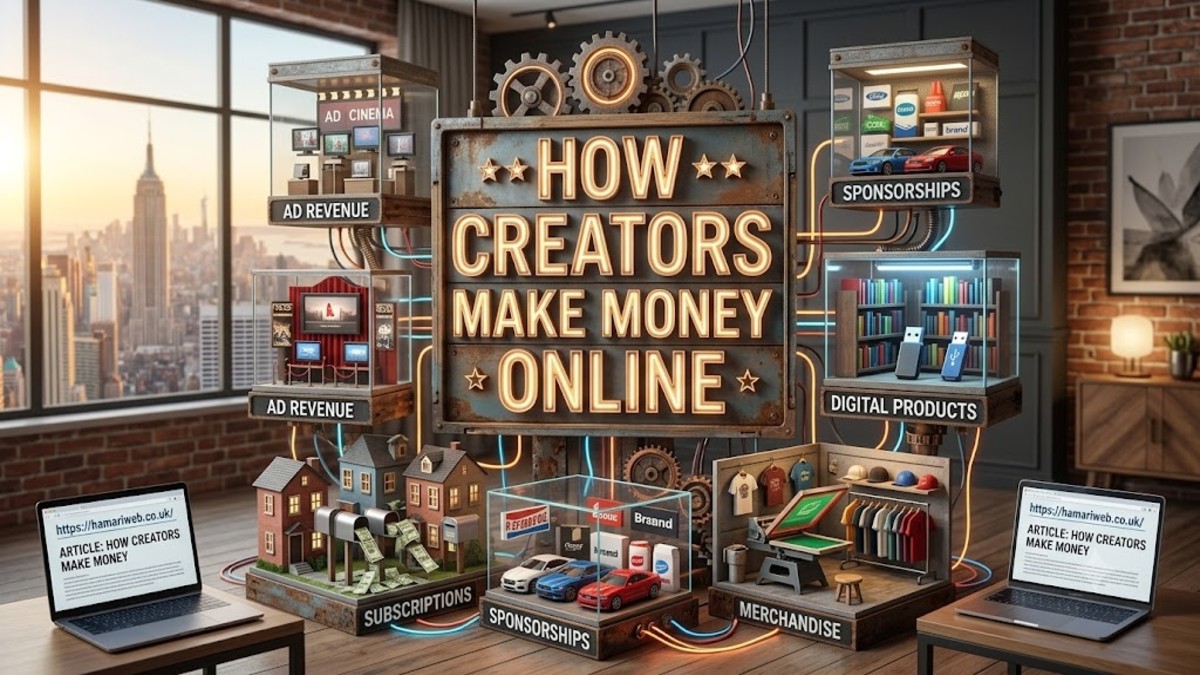
The rise of the creator economy has completely changed the way people earn a living, and many aspiring entrepreneurs want to understand how creators make money online. From YouTubers and bloggers to newsletter writers and social media influencers, creators are building businesses around their knowledge, skills, and audiences. Unlike traditional careers that depend on a single employer, creators often generate income from multiple sources.
Understanding how creators make money online is becoming increasingly important in the USA as more individuals look for flexible ways to build financial independence. Thanks to digital platforms, creators can reach global audiences, monetize their expertise, and develop scalable online businesses. The opportunities available today are far greater than they were just a few years ago.
The good news is that creators do not need millions of followers to earn income. Even smaller audiences can become profitable when creators focus on providing value and building trust.
How Creators Make Money Online Through Multiple Revenue Streams
One of the biggest lessons in learning how creators make money online is understanding that successful creators rarely depend on a single source of revenue.
Common income streams include:
- Affiliate marketing
- Sponsorships
- Digital products
- Online courses
- Membership programs
- Advertising revenue
- Consulting services
- Paid newsletters
The most successful examples of how creators make money online involve combining several monetization methods. Diversifying income reduces risk and creates more stability over the long term.
A creator with multiple revenue streams can continue growing even if one source experiences fluctuations.
Affiliate Marketing
Affiliate marketing is one of the most popular creator income sources.
Creators recommend products or services and earn commissions when people purchase through referral links.
Popular affiliate categories include:
- Software tools
- Web hosting services
- Online courses
- Business platforms
- Productivity applications
Affiliate marketing works particularly well because creators can recommend products naturally within their content.
When recommendations genuinely help the audience, trust and conversions increase significantly.
Many creators start with affiliate marketing because it requires little upfront investment.
Sponsored Content and Brand Deals
As creators build audiences, brands become interested in reaching those communities.
Sponsored opportunities may include:
- Blog articles
- Social media promotions
- Newsletter sponsorships
- Podcast advertisements
- Video integrations
Companies value creators because audiences often trust their recommendations more than traditional advertisements.
Successful brand partnerships focus on relevance and authenticity.
Promoting products that align with audience interests helps maintain credibility while generating revenue.
Selling Digital Products
Digital products have become a favorite income stream for many creators.
Examples include:
- Ebooks
- Templates
- Guides
- Checklists
- Design resources
- Research reports
Unlike physical products, digital products can be sold repeatedly without inventory or shipping costs.
Once created, they can continue generating revenue for years.
This scalability makes digital products highly attractive for creators looking to build passive income.
Launching Online Courses
Many creators turn their expertise into educational products.
Online courses allow creators to teach skills and share knowledge in a structured format.
Popular course topics include:
- Digital marketing
- Investing
- Graphic design
- Business growth
- Content creation
- Productivity
Courses often command higher prices than many other digital products.
Creators who consistently provide value often find it easier to convert audience members into paying students.
Education remains one of the strongest opportunities in the creator economy.
Membership Communities
Membership programs provide recurring monthly income.
Subscribers pay for access to:
- Exclusive content
- Community discussions
- Networking opportunities
- Resource libraries
- Live events
Memberships create predictable revenue while strengthening audience relationships.
People often stay subscribed because they receive ongoing value and access to like-minded individuals.
A thriving community can become one of a creator’s most valuable business assets.
Advertising Revenue
Advertising is one of the oldest creator monetization methods.
Revenue can come from:
- Website display ads
- Video advertisements
- Podcast ads
- Newsletter advertising
Advertising works best when creators have strong traffic and engagement.
While ad income may not be substantial in the beginning, it can grow significantly as audiences expand.
Many creators use advertising as a supplemental income stream rather than their primary source of revenue.
Building a Paid Newsletter
Newsletters have become increasingly popular among creators.
Subscribers pay for:
- Exclusive analysis
- Industry insights
- Premium research
- Specialized information
Email newsletters offer direct audience ownership, reducing dependence on social media platforms.
This model works particularly well for creators who provide valuable expertise.
Paid newsletters often generate recurring revenue while building strong audience loyalty.
Consulting and Coaching
Many creators monetize their expertise through consulting services.
Common consulting niches include:
- Business strategy
- Marketing
- Career development
- Personal branding
- Technology implementation
Consulting allows creators to charge premium rates for personalized guidance.
As authority grows, consulting opportunities often arise naturally through audience relationships.
Although consulting requires active involvement, it can generate substantial income.
Freelancing and Professional Services
Freelancing remains an important income source for many creators.
Services may include:
- Writing
- Video editing
- Graphic design
- Social media management
- Marketing consulting
Freelancing often provides immediate income while creators build larger digital assets.
Many successful creators began by offering services before transitioning into scalable business models.
It remains a practical way to monetize skills and gain experience.
Selling Physical Products
Some creators expand beyond digital offerings.
Popular physical products include:
- Merchandise
- Books
- Branded products
- Educational materials
Physical products help strengthen brand identity while creating additional revenue opportunities.
Although logistics are more complex than digital products, strong brands often benefit from product sales.
Many creators launch merchandise after establishing a loyal audience.
Licensing Content
Content creators can also earn money by licensing their work.
Examples include:
- Photography
- Music
- Video footage
- Educational resources
- Graphic designs
Licensing allows others to use content while creators receive compensation.
This strategy can create passive income from existing assets.
Creators who consistently produce high-quality content often discover licensing opportunities over time.
Why Audience Trust Matters
Regardless of the monetization method, trust remains the foundation of creator success.
Audiences support creators because they believe in:
- Their expertise
- Their recommendations
- Their authenticity
Creators who focus solely on short-term profits often struggle to maintain audience loyalty.
Long-term success comes from consistently helping people solve problems and achieve goals.
Trust influences every revenue stream within the creator economy.
Common Mistakes Creators Make
Many beginners limit their earning potential by making avoidable mistakes.
These include:
- Relying on one income source
- Ignoring audience needs
- Publishing inconsistent content
- Promoting irrelevant products
- Neglecting email list building
Successful creators focus on building relationships first and monetizing second.
The strongest creator businesses are built around value and consistency.
Future of Creator Monetization
The creator economy continues growing rapidly.
More professionals are choosing independent business models and building personal brands online.
New technologies, digital platforms, and audience-building tools are creating even more opportunities for creators.
Those who develop valuable skills and cultivate engaged audiences are likely to benefit from significant long-term growth.
The future remains bright for creators willing to invest in their communities.
Conclusion
Understanding how creators make money online helps aspiring entrepreneurs identify the best opportunities for building sustainable digital businesses.
From affiliate marketing and sponsorships to courses, memberships, consulting, and digital products, creators have numerous ways to generate income.
The most effective strategies for how creators make money online focus on delivering value, building trust, and diversifying revenue streams.
For individuals willing to consistently serve their audience, the creator economy offers tremendous opportunities for growth and financial success.
FAQs
1. How do creators make money online?
Creators earn through affiliate marketing, sponsorships, courses, memberships, consulting, newsletters, and digital products.
2. Do creators need large audiences to earn income?
No. Small but engaged audiences can often generate meaningful revenue.
3. What is the easiest income stream for beginners?
Affiliate marketing and freelancing are popular starting points.
4. Are digital products profitable?
Yes, digital products can generate scalable and recurring income.
5. Why are newsletters popular among creators?
Newsletters provide direct audience ownership and recurring monetization opportunities.

Consultative Selling Techniques: A Complete Guide to Building Customer Trust in 2026

Sales Objection Handling: A Complete Guide to Closing More Deals in 2026

Customer Closing Techniques: A Complete Guide to Converting Prospects into Buyers (2026)

Customer Conversion Process: A Complete Guide to Turning Visitors into Loyal Customers (2026)

Sales Funnel Examples: A Complete Guide to Converting More Customers (2026)

Lead Qualification Framework: A Complete Guide to Finding High-Quality Customers (2026)

Website Credibility Factors: A Complete Guide to Building Trust Online (2026)

Online Reputation Monitoring: A Complete Guide to Protecting Your Brand in 2026

Customer Testimonial Strategy: A Complete Guide to Building Trust and Increasing Sales (2026)

Business Storytelling Framework: A Complete Guide to Building Strong Brand Connections (2026)
Consultative Selling Techniques: A Complete Guide to Building Customer Trust in 2026
Sales Objection Handling: A Complete Guide to Closing More Deals in 2026
Customer Closing Techniques: A Complete Guide to Converting Prospects into Buyers (2026)
Customer Conversion Process: A Complete Guide to Turning Visitors into Loyal Customers (2026)
Sales Funnel Examples: A Complete Guide to Converting More Customers (2026)
Lead Qualification Framework: A Complete Guide to Finding High-Quality Customers (2026)
Website Credibility Factors: A Complete Guide to Building Trust Online (2026)
Online Reputation Monitoring: A Complete Guide to Protecting Your Brand in 2026
Customer Testimonial Strategy: A Complete Guide to Building Trust and Increasing Sales (2026)
Business Storytelling Framework: A Complete Guide to Building Strong Brand Connections (2026)

 entertainment1 year ago
PYT Telegram: A Complete Guide to Understanding, Using, and Maximizing It

 entertainment1 year ago
OnionFlix: Everything You Need to Know About This Streaming Website
- education1 year ago
How to Become a Software Engineer: A Complete Guide
- others12 months ago
Nook vs Kindle: Which E-Reader Is Right for You?