Digital Marketing
Internal Linking Strategy Guide: Improve SEO and User Experience in 2026

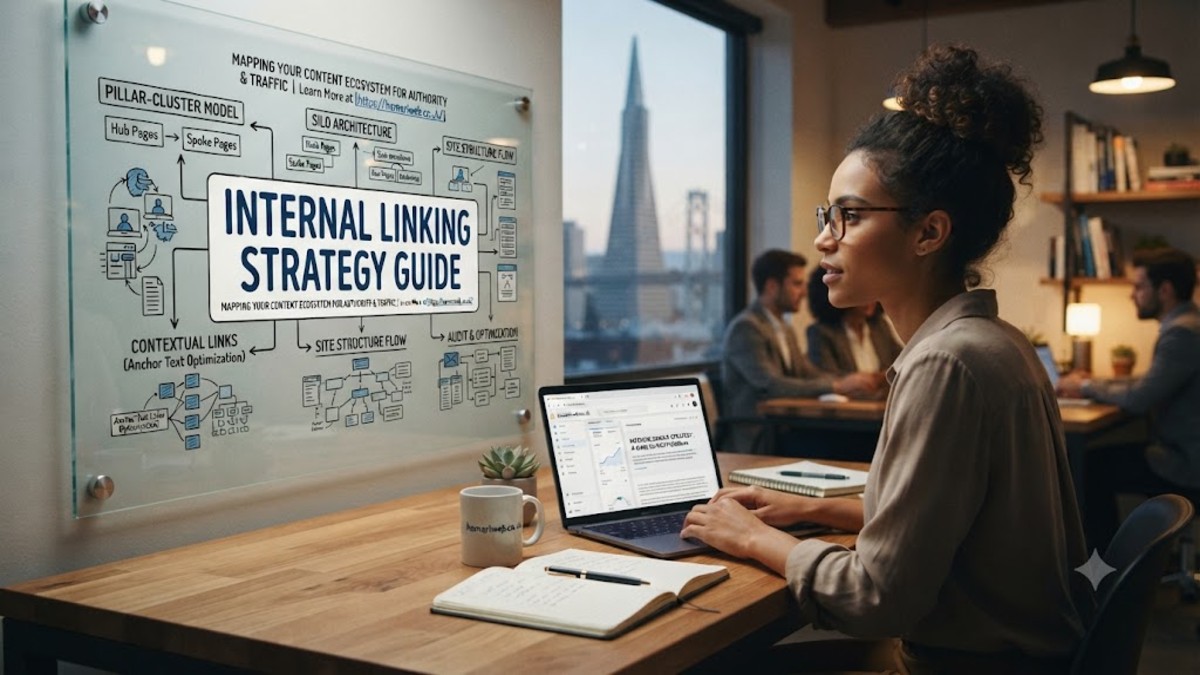
Building a successful website requires more than publishing high-quality articles. Even the best content can struggle to rank if your website structure makes it difficult for search engines and visitors to discover related pages. That is why an internal linking strategy guide has become essential for bloggers, affiliate marketers, business owners, and SEO professionals throughout the USA.
Learning an internal linking strategy guide helps you connect related articles, distribute authority across your website, and improve user experience. Instead of treating each article as a separate page, internal linking creates a network of valuable resources that encourages visitors to explore more content. At the same time, search engines gain a better understanding of your website’s structure, making it easier to rank important pages.
The best part is that internal linking is one of the few SEO improvements you can fully control without relying on external backlinks.
Internal Linking Strategy Guide: Why Internal Links Matter for SEO
A successful internal linking strategy guide starts with understanding why internal links are important. Every internal link acts as a pathway that helps search engines discover new pages while showing the relationship between different pieces of content. Websites with strong internal linking structures are often easier to crawl and index.
The growing popularity of internal linking strategy guide reflects how modern SEO has shifted toward website organization and user experience. Instead of publishing random articles, successful websites create logical content connections that help readers find additional information naturally.
When visitors spend more time exploring your website, engagement signals often improve, supporting better search performance.
What Are Internal Links?
Internal links are hyperlinks that connect one page of your website to another page on the same domain.
For example, a blog about keyword research may naturally link to articles covering:
- On-page SEO
- Technical SEO
- Search intent
- Content optimization
- Link building
These links help readers continue learning while improving your website’s overall structure.
Help Search Engines Discover Pages
Search engine crawlers rely on internal links to find content.
Without proper linking, some valuable pages may receive little attention from search engines.
A well-organized website allows crawlers to:
- Discover new articles
- Understand page relationships
- Identify important content
- Index pages more efficiently
Good website architecture strengthens SEO performance.
Improve User Experience
Visitors appreciate websites that make navigation simple.
Relevant internal links allow readers to:
- Learn more about a topic
- Find related resources
- Continue reading naturally
- Stay on the website longer
An improved user experience often leads to lower bounce rates and higher engagement.
Distribute Link Authority
Not every page receives the same amount of authority.
Internal linking helps transfer authority from stronger pages to newer or less visible articles.
This process supports:
- Better rankings
- Faster indexing
- Improved visibility
- Balanced website authority
Strategic linking strengthens your entire content library.
Use Descriptive Anchor Text
Anchor text should clearly describe the destination page.
Instead of generic phrases like:
- Click here
- Read more
Use descriptive wording such as:
- SEO keyword research guide
- On-page optimization tips
- Content marketing strategies
Natural anchor text improves both usability and search engine understanding.
Build Topic Clusters
Topic clusters are one of the most effective internal linking methods.
Start with one comprehensive pillar article.
Then create supporting articles that cover related subtopics.
Every supporting page should link back to the pillar article while also connecting with other relevant content.
This structure strengthens topical authority.
Prioritize Important Pages
Not every page requires the same number of internal links.
Focus on linking to:
- Cornerstone articles
- Service pages
- High-converting content
- Comprehensive guides
Prioritizing valuable pages increases their visibility.
Avoid Overlinking
Adding excessive links can confuse readers.
Instead:
- Link only when relevant.
- Keep navigation natural.
- Focus on user value.
Quality matters far more than quantity.
Update Older Articles
Many older posts contain opportunities for additional internal links.
Whenever you publish a new article:
- Review older content.
- Add relevant links.
- Update outdated references.
Regular updates strengthen your website over time.
Common Internal Linking Mistakes
Many website owners reduce SEO effectiveness by:
- Using broken links
- Ignoring old content
- Linking unrelated pages
- Overusing identical anchor text
- Creating orphan pages with no internal links
Avoiding these mistakes creates a stronger website structure.
Best Practices for Internal Linking
Successful websites usually follow these principles:
- Link naturally within content.
- Connect related topics.
- Update internal links regularly.
- Use descriptive anchor text.
- Support important pages.
- Maintain logical site architecture.
Consistency produces better long-term SEO results.
Benefits of a Strong Internal Linking Strategy
A well-planned linking structure offers several advantages.
These include:
- Better Google rankings
- Improved crawling
- Increased page authority
- Higher user engagement
- Longer session duration
Even small improvements in internal linking can positively impact overall website performance.
Helpful Tools for Internal Link Analysis
Several SEO tools simplify internal linking management.
Popular options include:
- Google Search Console
- Website crawling software
- SEO auditing platforms
- Site visualization tools
- Analytics platforms
Regular audits help identify missing opportunities.
Future of Internal Linking
Search engines continue becoming more sophisticated in understanding content relationships.
Future SEO trends will place greater emphasis on:
- Semantic content
- Topic clusters
- User navigation
- Website structure
- Helpful content
Websites with organized internal linking systems will remain better positioned for sustainable organic growth.
Conclusion
Following an internal linking strategy guide is one of the simplest yet most effective ways to improve SEO without creating new content.
By connecting related articles, supporting important pages, improving user navigation, and strengthening topical authority, internal linking helps both visitors and search engines better understand your website. Regularly reviewing and updating your links ensures your content remains connected, accessible, and optimized for long-term success.
Whether you operate a blog, affiliate website, or business platform, a thoughtful internal linking strategy should remain a core part of your SEO plan.
FAQs
1. What is an internal linking strategy?
It is the process of connecting related pages within the same website to improve navigation and SEO.
2. Why are internal links important?
They help search engines crawl your website and improve user experience.
3. How many internal links should an article have?
There is no fixed number. Add only relevant links that provide value.
4. What is anchor text?
Anchor text is the clickable text used for a hyperlink.
5. Can internal linking improve rankings?
Yes. It helps distribute authority and strengthens website structure.
6. Should older articles be updated with new links?
Yes. Updating older content improves navigation and SEO.
7. What are orphan pages?
Orphan pages have little or no internal links pointing to them.
8. Is internal linking still important in 2026?
Yes. It remains one of the most effective on-page SEO techniques.
SEO Focus Keywords
- internal linking strategy guide
- O
- weOibsite internal linking
- SEO internal links
- internal link optimization
Meta Title
Internal Linking Strategy Guide: Improve SEO Rankings in 2026
Meta Description
Learn the ultimate internal linking strategy guide to improve website structure, boost SEO rankings, strengthen topical authority, and enhance user experience.
Category
SEO & Digital Marketing
Tags
Internal Linking, SEO Strategy, On-Page SEO, Website Structure, Google SEO, Content Marketing

Consultative Selling Techniques: A Complete Guide to Building Customer Trust in 2026

Sales Objection Handling: A Complete Guide to Closing More Deals in 2026

Customer Closing Techniques: A Complete Guide to Converting Prospects into Buyers (2026)

Customer Conversion Process: A Complete Guide to Turning Visitors into Loyal Customers (2026)

Sales Funnel Examples: A Complete Guide to Converting More Customers (2026)

Lead Qualification Framework: A Complete Guide to Finding High-Quality Customers (2026)

Website Credibility Factors: A Complete Guide to Building Trust Online (2026)

Online Reputation Monitoring: A Complete Guide to Protecting Your Brand in 2026

Customer Testimonial Strategy: A Complete Guide to Building Trust and Increasing Sales (2026)

Business Storytelling Framework: A Complete Guide to Building Strong Brand Connections (2026)
Consultative Selling Techniques: A Complete Guide to Building Customer Trust in 2026
Sales Objection Handling: A Complete Guide to Closing More Deals in 2026
Customer Closing Techniques: A Complete Guide to Converting Prospects into Buyers (2026)
Customer Conversion Process: A Complete Guide to Turning Visitors into Loyal Customers (2026)
Sales Funnel Examples: A Complete Guide to Converting More Customers (2026)
Lead Qualification Framework: A Complete Guide to Finding High-Quality Customers (2026)
Website Credibility Factors: A Complete Guide to Building Trust Online (2026)
Online Reputation Monitoring: A Complete Guide to Protecting Your Brand in 2026
Customer Testimonial Strategy: A Complete Guide to Building Trust and Increasing Sales (2026)
Business Storytelling Framework: A Complete Guide to Building Strong Brand Connections (2026)

 entertainment1 year ago
PYT Telegram: A Complete Guide to Understanding, Using, and Maximizing It

 entertainment1 year ago
OnionFlix: Everything You Need to Know About This Streaming Website
- education1 year ago
How to Become a Software Engineer: A Complete Guide
- others1 year ago
Nook vs Kindle: Which E-Reader Is Right for You?