
business
Keys to the Trade: How to Start a Locksmith Business

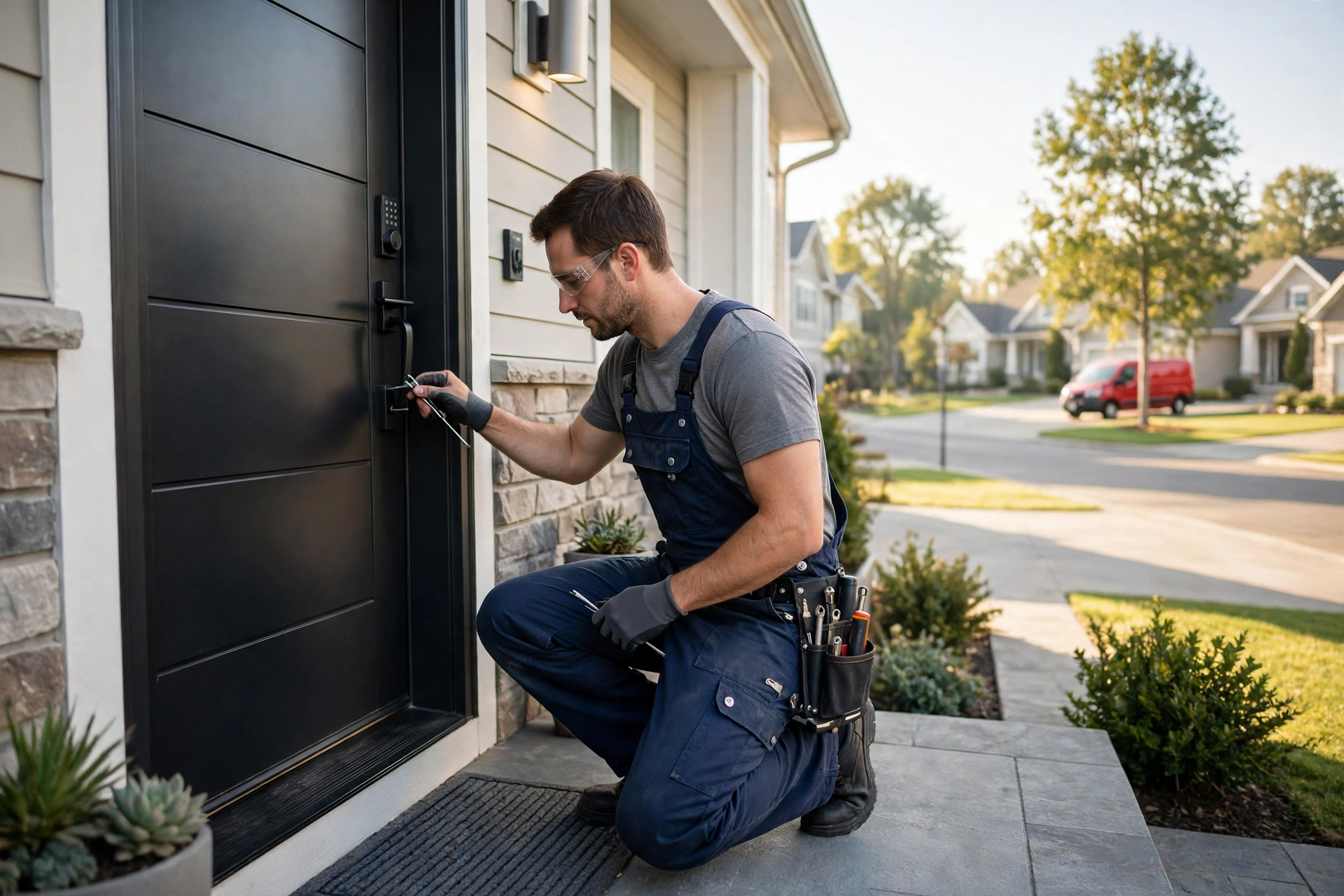
Few trades combine steady demand with low overhead quite like locksmithing. People lock themselves out at 2am, lose their only car key on a Sunday, move into a new house and want every lock changed before the first night. That work does not wait for a good economy, and it cannot be done from a laptop overseas. If you can learn the craft and run the business side properly, a one-van operation can turn into a comfortable living. This guide covers how to start a locksmith business from your first day of training to your first paying customers, including the licences, the kit, the pricing and the mistakes that sink new locksmiths.
Step 1: Learn the trade before you take a single job
Nobody should pay you to open their front door until you can do it without damaging the lock. That is the first rule of this trade, and it is also the reason most new locksmiths fail: they buy the van before they learn the skill. So before anything else, work out how to become a locksmith in your area. The classic route is still the best one: an apprenticeship in a working locksmith shop, where someone else pays for your mistakes while you learn on real doors, real safes and real car ignitions.
If no shop near you is hiring apprentices, a structured course is the next best step. The Associated Locksmiths of America (ALOA) runs a five-day Fundamentals of Locksmithing course, and trade suppliers run hands-on beginner classes that cost a few hundred dollars. Short courses will not make you a master locksmith, but they give you the foundation: how pin tumbler locks work, how to pick and rekey, how to cut keys by code, and how to fit new hardware without wrecking a door. Good locksmith training also covers the part beginners forget — how to talk to a stressed customer who is locked out in the rain at midnight. When you compare courses, choose locksmith training that includes hands-on practice on real locks, not just videos.
Whichever route you choose, practise on training locks and scrap doors for weeks before you touch a customer’s property. Your reputation in this trade is built one job at a time, and one drilled-out lock that should have been picked cleanly can cost you more in reviews than the job was worth.
Step 2: Get certified so customers trust you with their keys
Locksmithing is a trust business. You are asking strangers to hand you the keys to their home, their car and their office. A certificate does not just teach you the trade — it proves to customers, insurers and commercial clients that you are serious. The most recognised route is ALOA’s Proficiency Registration Program. It starts with the Certified Registered Locksmith (CRL) designation, which covers lock mechanisms, key cutting and rekeying. From there you can progress to Certified Professional Locksmith (CPL) and eventually Certified Master Locksmith (CML), with separate tracks for car keys and safes.
You do not need the top certificate on day one, but some form of locksmith certification is worth getting before you launch. It helps you charge higher rates sooner, it looks strong on your website and your van, and some commercial clients will ask for it before they let you near their master key system. Keep your locksmith certification current as you add new service lanes, because an expired certificate is worse than none at all — it suggests you stopped learning. Put your certificates where customers can see them: on your Google Business Profile, your website and your quotes. In a trade where anyone can print a business card, proof of training is what separates you from the phone-bank operators who take the call and send a stranger.
Step 3: Check the locksmith license requirements where you will work
This step can add months to your start date if you leave it late, so do it early. The locksmith license requirements depend entirely on where you operate. In the United States, around a dozen states license locksmiths directly — including California, Illinois, Louisiana, Maryland, New Jersey, North Carolina, Oklahoma, Oregon, Texas and Virginia — and the application usually involves fingerprints, a criminal background check, minimum training hours and a fee. A few other places license locksmiths locally, such as New York City, and some states require a contractor licence once install work passes a certain value.
If your state does not license locksmiths, you still need the ordinary paperwork: a business registration, a local business licence and, in many places, a sales tax permit. Check your state licensing board and your city or county government websites, and do not take a supplier’s word for it — rules change, and working without a required licence can mean fines and a shut-down. In the UK, there is no state licence, but the Master Locksmiths Association sets the standard customers look for, and a basic DBS check is a useful trust signal when you work around people’s homes. Wherever you are, sort the paperwork before you spend money on branding.
Step 4: Write a locksmith business plan that fits on two pages
A locksmith business plan does not need to be a 40-page document. It needs to answer five questions: what services will you offer, who will you serve, what will you charge, what will it cost you to start, and how will customers find you. Write it in plain language and keep it to two pages. The services question matters most, because it decides your equipment list and your training. A residential locksmith doing lockouts and rekeys needs a very different kit from one fitting commercial master key systems.
Your plan should also name your first-year service lane. The strongest new locksmith businesses start narrow — residential lockouts, rekeys and lock changes, plus car key cutting if you have the equipment — and add commercial work once they have reviews and references. A clear plan is what turns knowing how to start a locksmith business into actually doing it. Set a monthly revenue target and a break-even point, and write down what you will do if the phone is quiet in month two: that is the plan doing its job before you need it.
Step 5: Work out the money — what it really costs to start
Be honest about the numbers before you spend anything. Trade sources put the startup costs for a locksmith business at roughly $11,600 to $40,500 for licensing, insurance and equipment, with the tools and equipment alone running about $15,000 to $20,000 for a proper setup. The big-ticket items are key-cutting machines, key-code software and a car-key programmer; picks, hand tools and stock are cheaper but add up fast. A used van costs far less than a new one and does the same job, and many locksmiths start mobile-only precisely to avoid shop rent.
Set your startup budget in three buckets: must-have equipment, paperwork and insurance, and marketing. Then add a three-month cash cushion for fuel, phone and living costs, because the first months are rarely full. Price your services from real costs, not from copying a competitor’s price list. A lockout at 2am should cost more than a lockout at 2pm — you are selling availability as much as skill. Keep a simple spreadsheet from day one: every job, every mile, every part. The locksmiths who survive year one are usually the ones who knew their numbers in month one.
Step 6: Get insured, bonded and properly registered
Because you handle access to homes, vehicles and commercial property, insurance is not optional in this trade — it is the product. At minimum you need general liability insurance, and many locksmiths also carry professional liability cover for mistakes. Getting bonded matters too: a surety bond protects your customers if something goes wrong, and commercial clients often ask for proof of bonding before they hire you. Shop around for insurance for your locksmith business rather than taking the first quote; a broker who understands trades will usually find better cover than a generic online form.
On the admin side, most locksmiths register as an LLC, which separates your personal assets from business risks such as accidental damage to a door frame or a lock cylinder during a non-destructive entry. Register your business name, get an employer identification number if you need one, and open a separate business bank account on day one. Mixing business and personal money is the fastest way to lose track of whether the business is actually making money.
Step 7: Buy your kit — the equipment that earns the money
Your equipment list follows your service lane, but the core kit is the same for most new locksmiths: a key-cutting machine, key-code retrieval software, a car-key programmer, a set of picks and bypass tools, a pinning kit, and a solid set of hand tools for installation and repair. Buy the key machine first and buy it well — it is the tool you will use on nearly every job, and a cheap machine that cuts bad keys will cost you customers. A portable programmer for car keys is the next big purchase; it opens up the highest-value jobs, but only buy it once you have the training to use it safely.
Locksmith equipment has a habit of growing. Start with the core kit and add specialist gear — safe opening tools, a scope, a code machine for high-security keys — as the jobs that need them arrive. Keep a stock of common locks, cylinders, key blanks and batteries in the van, and track what you actually use. The van itself is part of the kit: rack it out properly, label everything, and keep it clean. Customers judge your professionalism by the van before they judge it by your work.

Step 8: Choose your service mix — homes, cars, businesses and emergencies
Your service mix decides who calls you and what you earn. Residential work — lockouts, rekeys, lock changes, smart lock installs — is the bread and butter: steady, local and review-friendly. Emergency locksmith services are the highest-margin lane, because a customer locked out at midnight is not shopping on price, but they also mean unsociable hours and a phone that never really switches off. Set clear rules for yourself: which hours you answer, what your out-of-hours fee is, and when you hand the call to someone else.
Commercial locksmith services pay better per job but are harder to win. Offices, shops, landlords and property managers want master key systems, access control, panic hardware and scheduled rekeys between tenants. They also want paperwork: certificates, insurance documents and references. Car key work — cutting and programming keys, opening locked cars — is the most profitable per hour once you own the programmer, but it carries the highest equipment cost and the steepest learning curve. Pick two lanes for year one, do them well, and let the third lane wait until you have the kit and the confidence.
Step 9: Decide — mobile locksmith business or a shop?
For most beginners, a mobile locksmith business is the right start. A van costs far less than a shop, there is no rent to pay while the phone is quiet, and most of your work happens at the customer’s door anyway. A mobile setup also suits emergency work: you go where the lockout is, and you can cover a wide area from one base. The downside is storage — a van can only carry so much stock — and some customers trust a shop address more than a mobile number.
A shop makes sense later, once you have steady walk-in demand for key cutting and a stock list too big for the van. Some locksmiths run both: a small shop for key cutting, smart lock sales and walk-ins, with a van for call-outs. Whichever you choose, make your service area clear on your website and your Google Business Profile. A customer 40 minutes away who finds you at midnight expects you to arrive; a customer five minutes away expects you to arrive fast. Set the area you can honestly cover, and say no to the rest.
Step 10: Price your jobs so the business pays you properly
Pricing is where new locksmiths most often go wrong — they charge what the cheapest competitor charges and wonder why they cannot make a living. Start with your costs: fuel, insurance, equipment wear, stock and your time, including the drive. Then set flat-rate prices for the common jobs — a residential lockout, a rekey, a lock change, a car key cut and programmed — so customers know the price before you arrive and you are not negotiating on a doorstep at midnight. Publish starting prices on your website; it filters out price shoppers and builds trust with everyone else.
As a guide to what the trade can pay, the US Bureau of Labor Statistics counted around 15,000 locksmiths and safe repairers in May 2025, with median pay of about $51,320 a year and the top 10% earning above $79,400. The locksmith salary you earn as an owner is different from an employee’s wage — it depends on your rates, your hours and how many of those hours are billable. Emergency and car key work lift the average; quiet weeks pull it down. Review your prices every quarter. If you are booked out two weeks ahead, your prices are too low.
Step 11: Get found — your first customers come from local search
Locksmiths live or die on local search. When someone is locked out, they search on their phone and call the first trustworthy-looking result. That makes your Google Business Profile your most important marketing asset: complete it fully, add photos of your van and your work, list your services and hours, and ask every happy customer for a review. Reviews are the currency of this trade — ten genuine five-star reviews will beat a bigger ad budget. Set up a simple website with your service area, your starting prices and a click-to-call button, and make sure it loads fast on a phone.
Beyond search, the cheapest marketing is relationship marketing. Introduce yourself to estate agents, landlords, property managers and letting agents — they need rekeys between tenants all year round. Leave cards with local hardware shops and car garages. Join your local trade association and the neighbourhood business groups. And budget around 7% to 10% of revenue for marketing once the money starts coming in, mostly on local search and reviews. The phone will not ring by itself in month one; the locksmiths who get busy fastest are the ones who spent their quiet first weeks meeting the people who send work.
Step 12: Survive the 2am call — running emergency work without burning out
Emergency locksmith services are the most profitable part of locksmithing and the fastest way to burn out, so run it like a system rather than a habit. Set your emergency hours in advance — for example, 7am to 11pm with a genuine out-of-hours surcharge after that — and publish them. Use a separate work phone or a call-answering service so a 3am wrong number does not wake your family. Keep a small overnight kit ready: the picks, the common cylinders, the programmer and a torch, so you are not loading the van half asleep.
On the job, be honest about what you can and cannot do. Some locks need a specialist or a part you do not carry; saying so and booking a proper fix the next day earns more trust than forcing a job and damaging a door. Always verify the customer has the right to enter the property — ask for ID and proof of address, and record it. That check protects you legally and it is exactly what a good locksmith does. And keep one day a week genuinely off. A tired locksmith makes mistakes, and in this trade a mistake means a damaged lock or a damaged door.
Step 13: Grow — hire, add services and win commercial contracts
Once you are consistently turning down work, it is time to grow rather than just work longer hours. The first hire is usually an apprentice or a junior locksmith, and the best ones come from the same training routes you used — an apprentice who learns your standards from day one is worth more than an experienced hire with sloppy habits. A second van doubles your coverage, but only if you have the bookings to fill it; check your call logs for the jobs you actually turned away before you commit.
Growth can also mean new service lanes: commercial locksmith services such as master key systems and access control for offices and landlords, safe sales and opening, or smart lock installation for holiday lets. Commercial contracts are won on paperwork and reliability — tender documents, certificates, insurance proof and a track record of turning up on time. Build those relationships slowly, deliver every time, and the contracts follow. The locksmiths who build a real business rather than a busy job are the ones who systemise: price lists, checklists, stock control and a proper booking system, so the business works even on the days they are not holding the picks.
Mistakes that sink new locksmith businesses
- Buying the van before the skill. Equipment without training produces damaged locks and bad reviews. Learn first, spend second.
- Skipping the licence check. A licensing application can take months. Find out what your area requires before you print business cards.
- Pricing like the cheapest competitor. You cannot out-cheap a phone-bank operator. Charge for skill, speed and trust, and publish starting prices.
- Taking every job. Saying yes to work outside your service area or your skill level costs more in fuel, time and damage than it earns.
- No record of the job. Always note the customer’s ID check, the work done and the parts fitted. It protects you if anything is disputed later.
- Ignoring reviews. Ten genuine reviews are worth more than any advert. Ask for one after every good job, and answer every review you receive.
Frequently asked questions
How much does it cost to start a locksmith business?
Trade sources put the total at roughly $11,600 to $40,500, with tools and equipment alone around $15,000 to $20,000 for a proper setup. The biggest costs are the key-cutting machine, key-code software and a car-key programmer. You can start cheaper as a mobile-only locksmith with a used van, but do not skip training or insurance to save money — those are the two things that protect your reputation.
How do I become a locksmith with no experience?
Start with the question of how to become a locksmith in your area, then choose the training route: an apprenticeship in a working shop is the best option, followed by a structured course such as ALOA’s Fundamentals of Locksmithing. Practise on training locks for weeks, then add a recognised certificate. Most working locksmiths learned the trade hands-on before they ever took a paying job.
Do I need a licence to be a locksmith?
It depends where you work. Around a dozen US states license locksmiths directly, and some cities license them locally, with applications that usually involve a background check and training hours. Where no specific licence exists, you still need a business registration and a local business licence. Check your state licensing board and local government sites before you start trading.
What is the typical locksmith salary?
Employee pay in the US sits around a $51,320 median according to the Bureau of Labor Statistics, with the top 10% above $79,400. As a business owner, what you earn depends on your rates, your service mix and how many hours are billable — emergency and car key work pay the most per hour. The honest answer is that the first year is lean, and the locksmiths who earn well are the ones who price properly and build a review base.
Is a locksmith business profitable?
It can be, because demand is steady and the work cannot be outsourced or automated away. Profit comes from keeping overheads low — starting mobile, buying equipment as jobs demand it — charging properly for emergency and specialist work, and winning repeat commercial and landlord clients. The businesses that struggle are usually the ones that undercharge, overbuy equipment early, or rely on a single lead source.
Final word
Learning how to start a locksmith business is mostly about order: train first, sort the paperwork second, buy the kit third, and only then chase customers. Start narrow, price honestly, keep records, and ask every happy customer for a review. Do that for a year and you will not be the cheapest locksmith in town — you will be the one people call first, and the one they recommend. That is a business, not just a job, and it is built one opened door at a time.

Arc to Income: How to Start a Welding Business

Keys to the Trade: How to Start a Locksmith Business

First Pour to Full Crew: How to Start a Concrete Business

Sparks to Success: How to Start an Electrical Business

Cool Air, Warm Profits: How to Start an HVAC Business

Wrenches to Wealth: How to Start a Plumbing Business

Shingles to Success: How to Start a Roofing Business

Posts, Panels and Profit: How to Start a Fencing Business

First Cut, Full Crew: How to Start a Tree Trimming Business

Ladder to Lights: How to Start a Christmas Light Business

How to Repurpose Blog Content for Social Media Without Starting From Scratch

How to Write a Simple Business Plan for Your Small Business: A Practical Guide That Gets You Started

How to Get More Clients for Your Business: Simple Ways That Actually Work

How to Create a Small Business Content Marketing Plan That Actually Gets Results
How to Handle Customer Complaints in a Small Business: A Calm, Practical Guide That Turns Problems Into Loyalty

How to Write a Professional Business Email That Gets a Reply

Branding Tips for Small Businesses: A Simple Guide That Makes You Memorable
How to Create a Content Calendar for a Small Business
How to Set Up a Simple Referral Program for Your Small Business: A Beginner’s Guide That Brings in New Customers

How to Set SMART Goals for a Small Business: A Practical Guide That Actually Works
Arc to Income: How to Start a Welding Business
Keys to the Trade: How to Start a Locksmith Business
First Pour to Full Crew: How to Start a Concrete Business
Sparks to Success: How to Start an Electrical Business
Cool Air, Warm Profits: How to Start an HVAC Business
Wrenches to Wealth: How to Start a Plumbing Business
Shingles to Success: How to Start a Roofing Business
Posts, Panels and Profit: How to Start a Fencing Business
First Cut, Full Crew: How to Start a Tree Trimming Business
Ladder to Lights: How to Start a Christmas Light Business

 entertainment1 year ago
PYT Telegram: A Complete Guide to Understanding, Using, and Maximizing It

 entertainment1 year ago
OnionFlix: Everything You Need to Know About This Streaming Website
- education1 year ago
How to Become a Software Engineer: A Complete Guide
- entertainment10 months ago
Brainrot Memes: The Unhinged Humor of the Internet Generation





