business
Coins to Cash Flow: How to Start a Vending Machine Business

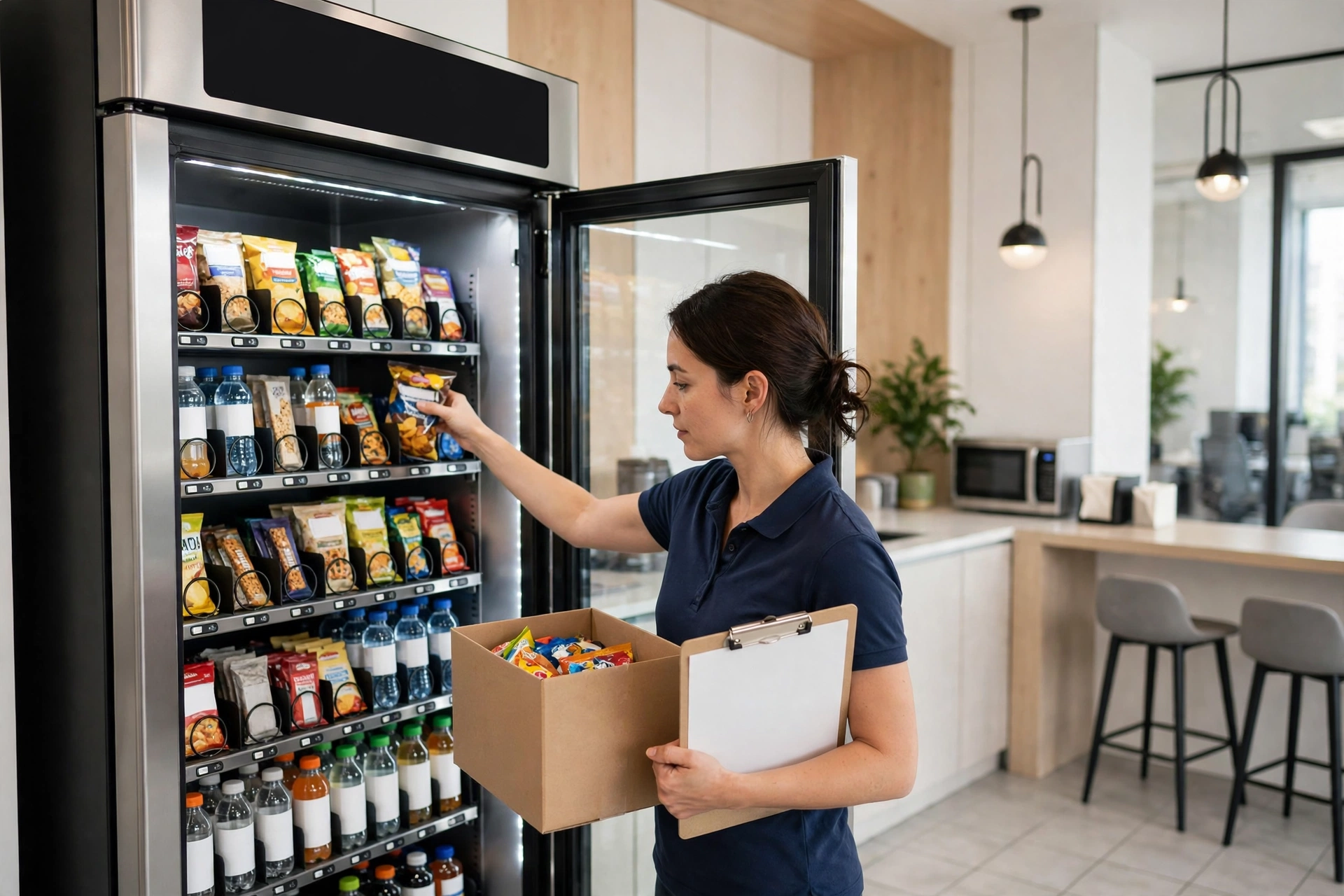
A vending machine is a small shop that never asks for a day off. It stands in a hallway, a break room or a gym lobby, quietly selling snacks and drinks while you are somewhere else entirely. That is the appeal of learning how to start a vending machine business: the work is real, but it is flexible, the startup bill is smaller than a storefront, and one good location can pay for the machine that sits in it.
It is not free money, though. Machines break down, products expire, locations change their minds, and a machine in a dead hallway earns nothing. The operators who last are the ones who treat the first machine like a test, not a lottery ticket. This guide walks through the whole launch in 13 steps, from picking what to sell to placing a second machine, so you can start small, learn fast and grow only when the numbers say yes.
Step 1: Pick a Product Lane With Vending Machine Business Ideas That Fit Real Buyers
Every machine needs a clear customer. “Snacks for everyone” is not a plan; cold drinks for night-shift warehouse workers who cannot leave the building is a plan. Before you spend anything, list the buyers you can actually reach: office staff, factory workers, gym members, students, hospital visitors, hotel guests, laundromat customers. Each group wants different things at different times of day.
Good vending machine business ideas start with the buyer’s moment, not the machine. A gym crowd buys water, protein bars and electrolyte drinks. A hospital waiting room buys coffee, tea and something comforting at 2 a.m. An office buys sandwiches, crisps and soft drinks for the afternoon slump. A school corridor buys juice and healthier snacks, where the rules allow them. Pick one lane for your first machine and learn it properly; you can add lanes later.
Write down three product lanes and score each one: how many buyers pass the spot daily, how long they stay there, what else they could buy nearby, and how often you can restock. The lane with the most repeat buyers and the fewest nearby alternatives wins. That short exercise saves you from the classic beginner mistake of buying a machine first and hunting for a reason to own it afterwards.
Step 2: Write a Vending Machine Business Plan Before You Spend a Dollar
A vending machine business plan does not need to be fifty pages. One honest page is enough for a first machine: the product lane, the location you are targeting, the machine you expect to buy, the startup budget, the prices you will charge, and the monthly sales you need to break even. The point is not to impress a bank; it is to force yourself to check the maths before the money leaves your account.
Your plan should name the numbers that matter. How much will the machine cost, delivered and installed? How much stock will the first fill take? What commission, if any, will the location take? What will card fees cost per sale? How many sales a day, at what average price, cover those costs? If you need 40 sales a day and the hallway sees 60 people, the plan is weak. If you need 15 and the hallway sees 200, the plan has room.
Keep the plan as a living document. After the first 30 days, replace every guess with real figures: actual sales per day, best-selling slots, spoilage, travel time and repair costs. Operators who update the plan monthly spot a dying location months before it eats their profits. Operators who never look at it again keep feeding a machine that stopped paying months ago.
Step 3: Sort the Legal Side, Including Licenses and Permits
The legal side of this business is small, but skipping it is expensive. In most areas you will need a general business license, and depending on where you operate, a vending machine business license or a seller’s permit for collecting sales tax. Food and drink machines can also trigger health department rules, especially if you sell fresh or perishable items. Check your city and county requirements before you buy anything, because the rules change from place to place.
Choose a business structure early. Many solo operators start as a sole proprietorship because it is cheap and simple, then move to an LLC once they own several machines and want the liability protection. An LLC also looks more professional when you pitch a location manager, which matters more than most beginners expect.
Open a separate business bank account and keep every receipt, from the machine invoice to the petrol for your service runs. Clean records make tax time painless and make it far easier to prove the business is profitable when you later want a loan for machines two and three. A vending machine business license is only one piece of paper; the habit of keeping records is what actually protects you.
Step 4: What Does It Really Cost to Launch?
Ask ten operators what it costs to launch this kind of business and you will get ten different answers, because the range is genuinely wide. A single used snack machine can cost $1,500 to $3,000, a new combo machine $4,000 to $8,000, and a smart machine with a touchscreen and telemetry $8,000 or more. Delivery and installation can add $300 to $1,500, especially if the machine needs a liftgate truck or has to go up in a lift.
Then come the costs beginners forget. Initial stock for one machine usually runs $200 to $1,000 depending on size. A card reader costs $200 to $500 plus a monthly fee and a percentage of every sale. Insurance, a business license, price labels, cleaning supplies and a basic spare-parts kit add a few hundred more. And you need a cash cushion: if the machine breaks in week three, you need to fix it without touching the grocery money.
When you add it all up, the vending machine business startup cost for one machine usually lands between $3,000 and $10,000 all in. If your budget is at the low end, buy used from a reputable dealer, start with one machine, and keep at least $500 in reserve for repairs. If you have more, resist the urge to buy three machines at once; one proven location beats three guesses every time.
Step 5: Find a Location That Actually Sells
Location is the whole business. A great machine in a dead hallway is a metal box; an average machine in a busy break room is a money printer. The best locations share four traits: lots of repeat foot traffic, people who stay there for a while, no easy alternative nearby, and a decision-maker you can actually talk to.
Start with places you already know: your workplace, your gym, the apartment building you live in, the laundromat you use, the factory where a friend works. Warm introductions beat cold calls by a mile. When you approach a location, pitch the benefit to them, not to you: their staff get snacks without leaving the building, and they may earn a commission on every sale. Bring a one-page proposal with your product list, your prices and your service promise.
Always get written placement permission before you deliver a machine. A simple vending machine location agreement should cover who owns the machine, who pays for electricity, what commission the location earns, how often you will service it, and how either side can end the arrangement. A handshake deal feels friendly until the location changes managers and the new one wants your machine gone by Friday. Get it in writing, keep a copy, and revisit the terms once a year.
Step 6: Choose Your First Machine for the Location, Not the Other Way Round
Buying your first machine is the most fun part of the launch, which is exactly why it should come after the location is secured. A snack machine, a drink machine and a combo machine are three different tools. A combo machine suits a small office where space is tight; separate snack and drink machines suit a busy factory floor where volume justifies both. A frozen food machine suits a 24-hour workplace but needs more maintenance and a bigger power supply.
New machines come with warranties, modern card readers and remote monitoring, but they cost more. Used machines cost half as much and can be perfectly reliable if you buy from a dealer who tests them and offers a short warranty. Whatever you choose, learning how to buy a vending machine means checking the machine in person before money changes hands. Avoid the cheapest machines on auction sites unless you can inspect them in person; a machine with a dead compressor is not a bargain at any price.
Check four things before you pay: does it cool evenly, do all the coils and motors work, does the card reader connect, and can you still buy spare parts for this model? A machine that takes standard-size products and common parts will be cheaper to run for years. Buy the machine that fits your first location’s buyers, and let the second location decide the second machine.
Step 7: Stock It Like a Small Shop, Not a Cupboard
Stocking is where the money is made or lost. Start with a small range of proven sellers: the top ten snacks and drinks your buyers already ask for. Fill every slot on day one, because an empty-looking machine tells buyers not to bother coming back. Then watch what sells for two weeks and adjust ruthlessly: the bottom two slots get replaced by something new, the top sellers get more facings.
Mind the dates. Snacks go stale quietly, and one expired bar can cost you a location’s trust. Rotate stock oldest-first, check expiry dates on every visit, and keep a simple log of what you put in and what you took out. Compare two or three vending machine suppliers on price and delivery before you commit to one, because a reliable supplier is worth more than the cheapest case price. Seasonal tweaks help too: cold drinks and water sell harder in summer, hot drinks and chocolate sell harder in winter.
Price with the location in mind. A machine in a hospital can charge a little more because there is nowhere else to buy at 3 a.m.; a machine in an office with a shop across the road cannot. Test small price rises on one or two items at a time and watch whether sales dip. A 10-cent rise that costs you no sales is pure profit on every future sale.
Step 8: Set Prices for Margin, Not Just Sales
Good vending machine pricing is a quiet skill that separates profitable operators from busy ones. Start by knowing your product cost for every slot: the wholesale price, the delivery share, the card fee and the location commission. If a snack costs you 60 cents all in and sells for $1.25, the margin is healthy. If it costs 90 cents and sells for $1.00, you are working for free.
Watch your competitors, but do not copy them blindly. A machine in a gym can charge more for a protein bar than a machine in a school corridor can charge for the same bar, because the buyers and the alternatives differ. Test one price change at a time and give it two weeks; if sales hold, the new price stays. Small, steady rises beat one big jump that drives buyers to the shop down the road.
Keep a few value items in the machine too. A cheaper bottle of water next to a premium energy drink gives price-sensitive buyers a reason to stay, and it makes the premium items look like a choice rather than a trap. The goal is a machine where every slot earns its space, not a machine where three items carry the other twenty.
Step 9: Set Up Cashless Payment and Simple Tracking
Most buyers today expect to tap a card or a phone, and machines that only take coins lose sales every single day. Fit a card reader before the machine goes live, and test it with a real purchase on day one. Mobile wallet support matters too, especially with younger buyers. Cash still has a place, but cashless is now the default, and it has a bonus: every sale is logged, so you know exactly what sold and when.
Simple tracking beats fancy software at this stage. A spreadsheet with sales per machine, per week, is enough for your first few machines. Record the date, the products added, the products removed, the cash collected and any faults found. After a month, the patterns jump out: which slots never sell, which days are dead, which location earns double the others. That is the data that tells you where machine two should go.
Remote monitoring, often called telemetry, is worth adding once you own two or three machines. That visibility is one of the quiet advantages you get when you learn how to start a vending machine business properly: it tells you from home which machine is running low or has a fault, so you only drive out when there is a reason. It costs a small monthly fee per machine, but it saves hours of wasted trips, and the time it saves is time you can spend finding the next location.
Step 10: Protect the Business With Vending Machine Insurance
Nobody buys a machine expecting it to be vandalised or to break down in its first month, but both happen, and vending machine insurance is the cheap fix. A basic policy covers theft, vandalism, fire and accidental damage to the machine and its stock, and public liability cover protects you if a machine ever injures someone or damages the location’s property. Some locations will ask to see your insurance certificate before they sign a placement agreement, so sort it before you pitch, not after.
Compare a few quotes and read what is actually covered. The cheapest policy is not the best one if it excludes the very risks you face, like damage during transport or stock spoilage after a power cut. Keep the certificate in the same folder as your placement agreements and licenses, and renew it before it lapses rather than after.
Insurance is also part of your pitch. When a location manager hears that you are insured, licensed and organised, you stop sounding like a hobby and start sounding like a supplier. That impression wins locations, and locations are the business.
Step 11: Name It Well With Vending Machine Business Names That Sound Professional
A name sounds trivial until you pitch your first location, and then it matters a lot. Good vending machine business names are short, easy to say on the phone and easy to remember: a name that hints at snacks, refreshment or convenience without sounding like a joke. Avoid names that box you in; “City Snack Co.” can grow into drinks, coffee and fresh food, while “Dave’s Crisps” cannot.
Check the name is free before you print anything: search your local business register, check the domain name, and look on social media. Then use the name everywhere — on the machine’s front panel, on your service log, on your invoices and on the small card you leave at each location with your phone number. A professional name and a clean, labelled machine tell a location manager that you will look after their staff and their building.
Add a simple logo and a consistent look for your price labels and service cards. You do not need a designer on day one; a clean text logo and one colour used consistently will do. Promotion for this kind of business is mostly word of mouth and visible reliability: a manager who sees you arrive on schedule every week will recommend you to the manager next door.
Step 12: Run a Service Routine You Can Repeat Every Week
The weekly service run is the heartbeat of the business, and it works best when it is a routine, not a reaction. Pick a fixed day for each machine, arrive when the location expects you, and follow the same checklist: check the fault log, clean the glass and the delivery flap, check expiry dates, restock the empty slots, collect the cash, count it, and note everything in your log. A machine that is always clean and full sells more than a machine that is sometimes clean and full.
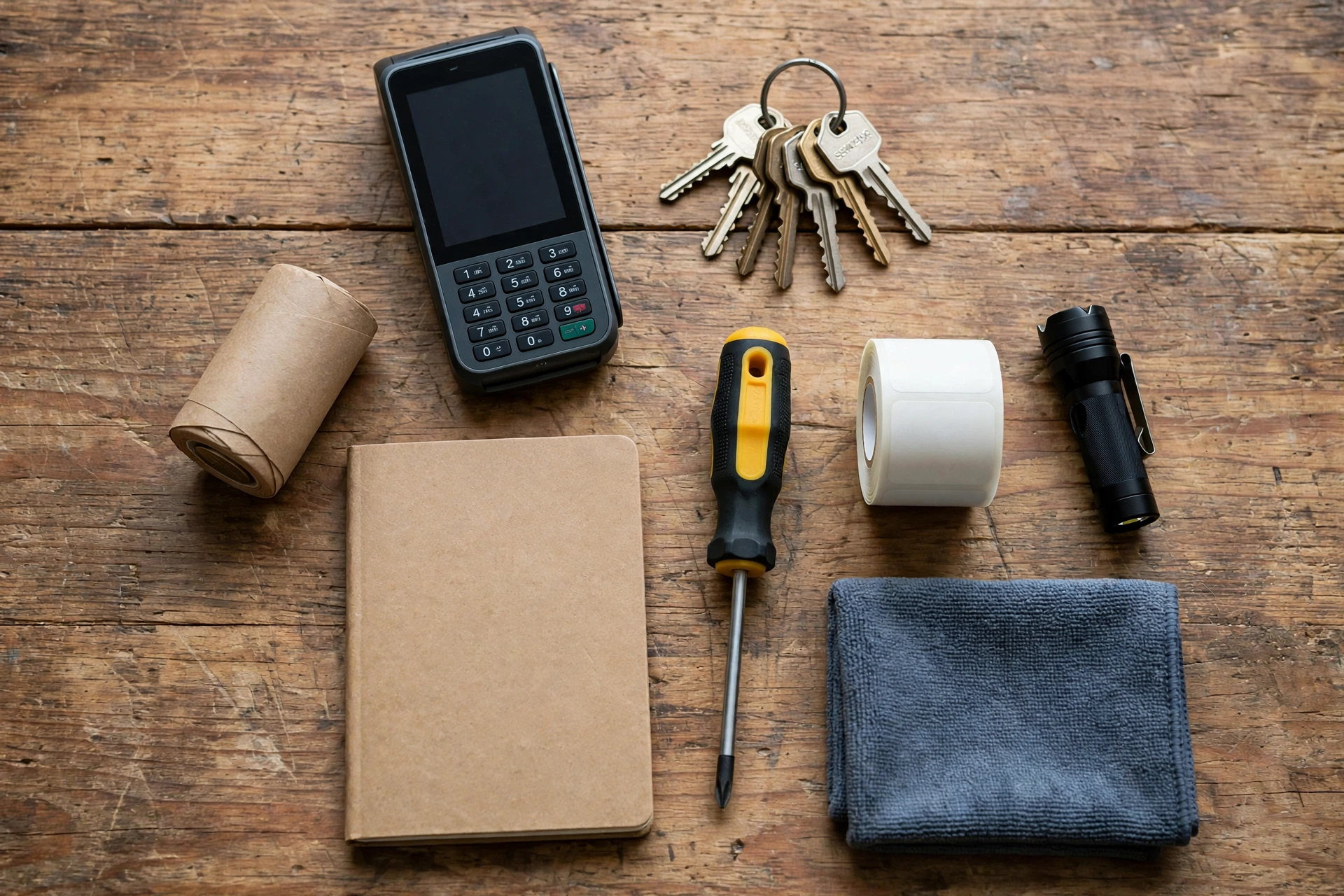
Vending machine maintenance is mostly small work done often. Wipe the coils, check the cooling, test the card reader, listen for strange noises, and keep a small kit of spares in your car: a few coils, a belt, fuses and cleaning supplies. Most faults are fixed in ten minutes if you have the part with you, and become a lost weekend of sales if you do not. If a fault is beyond you, have a repair contact saved before you need one, not after.
The beauty of this routine is that it scales: one machine takes an hour a week, three machines take an afternoon, and you can run the whole operation from home with no office, no staff and no shopfront. Keep your stock in a spare room or a garage shelf, keep your records in one folder, and the whole operation fits around a job or a family until it grows big enough to be the job.
Step 13: Grow to Machine Two Only When the Numbers Say Yes
Growth is tempting, and it is also where most beginners lose money. The rule is simple: buy machine two when machine one has paid back a clear share of its cost and earns steady weekly sales you can measure, not when you feel optimistic. A machine that earns $150 a week after costs is a proven model; a machine that earns $40 a week is a location problem, and copying it doubles the problem.
When you are ready, you have two ways to grow. You can buy another machine and place it in a new location you have already qualified, repeating the steps that worked the first time. Or you can look at a vending machine business for sale in your area, where an existing operator is selling a vending machine route of placed machines. A vending machine business for sale can be a shortcut, but check it like a detective: ask for sales records, visit every location, check the machines’ condition and confirm each placement agreement transfers to you. A route with three dying locations is not a bargain at any price.
A third path is a vending machine franchise, where you buy into a brand that supplies machines, products and training. A vending machine franchise can suit a beginner who wants support, but the fees are real and the brand rules limit your freedom, so read the agreement carefully and compare the total cost with going independent. Whichever path you choose, grow one machine at a time and let each one prove itself before you buy the next. That discipline is what turns a single machine into a real business.
Frequently Asked Questions
Is this kind of business profitable?
It can be. Anyone learning how to start a vending machine business should know that vending machine business profit depends on location quality far more than on the machine itself. A machine in a busy break room with 100 workers can earn well; the same machine in a quiet corridor cannot. Choose the spot first and the machine second, and make sure the location produces enough repeat sales to cover stock, commission, card fees, travel and repairs.
How much money do I need to start?
Most first-time operators spend $3,000 to $10,000 all in for one machine, including delivery, stock, a card reader, licenses and a small repair reserve. Buying used and starting with one machine keeps the figure at the low end. Whatever your budget, keep a few hundred dollars in reserve for the first repair, because it always arrives sooner than you expect.
Do I need a license to run a vending machine?
In most places, yes: at minimum a general business license and a seller’s permit for sales tax, plus local rules that vary by city and county. Food and drink machines can also fall under health department rules. Check with your local authority before you buy, and keep copies of every permit with your placement agreements.
Can I run this business from home?
Yes. Most solo operators do exactly that: stock is kept in a spare room or garage, records live in one folder, and the weekly service run is the only regular trip. You need no office and no staff until you own enough machines to justify help. Just check that your home storage suits the products you sell, especially anything that needs to stay cool.
How do I find a good location?
Start with places you already know and people you already talk to: your workplace, gym, apartment building or laundromat. Pitch the benefit to the location, offer a fair commission, and always get written placement permission. A location with lots of repeat visitors, long dwell times and no nearby shop will outperform a busy street with ten alternatives every time.
How often do I need to service a machine?
Once a week is the standard for a busy machine: restock, clean, check dates, collect cash and log any faults. Quiet machines can stretch to every two weeks, but never longer; an empty or dirty machine trains buyers to stop checking it. Remote monitoring can tell you which machine needs a visit, so you stop wasting trips on machines that are still full.
Should I buy new or used machines?
Used machines from a reputable dealer are the smart start for most beginners: half the price, and a tested machine with a short warranty is a known quantity. New machines suit operators who want the latest card readers, telemetry and a full warranty, and who have the budget for it. Either way, inspect the machine in person, test every coil and the cooling, and confirm spare parts are still available.
How do I know when to expand?
Expand when your first machine has paid back a clear share of its cost and earns steady, measured weekly sales. If the numbers are strong, add one machine in a location you have already qualified, and let it prove itself before you buy the next. Growing one proven machine at a time is slower than buying five at once, and it is also how operators stay in business.
Final Word
Learning how to start a vending machine business is really about learning to judge locations, keep machines full and clean, and let the numbers decide when to grow. Start with one machine, one good location and one honest plan. Service it every week, track every sale, and fix problems the day you find them. Do that for a year and you will have something most beginners never get: a small business with real figures, real customers and a clear next step.

Driveway Dollars: How to Start a Mobile Car Wash Business

Coins to Cash Flow: How to Start a Vending Machine Business

Soot to Success: How to Start a Chimney Sweep Business

Wrenches on Wheels: How to Start a Mobile Mechanic Business

Foundations First: How to Start a Home Inspection Business

Stamps on the Move: How to Start a Mobile Notary Business

Paws and Paychecks: How to Start a Pet Sitting Business

Vows to Ventures: How to Start a Wedding Planning Business

Bins to Business: How to Start a Dumpster Rental Business

Quarters to Cash Flow: Your Laundromat Business Plan

How to Write a Simple Business Plan for Your Small Business: A Practical Guide That Gets You Started

How to Get More Clients for Your Business: Simple Ways That Actually Work

Branding Tips for Small Businesses: A Simple Guide That Makes You Memorable

How to Start Freelancing With No Experience: A Simple Guide That Gets You Your First Client

How to Do a Small Business Competitive Analysis: A Simple Guide That Finds Your Edge

Networking Tips for Small Business Owners: A Simple Guide That Turns Conversations Into Customers

How to Create a Budget for a Small Business: A Simple Guide That Keeps Your Money in Order

How to Keep Customers Coming Back: Simple Ways That Actually Work

Christmas Marketing Ideas for Small Businesses: Simple Ways to Win Festive Customers

How to Promote Your Blog Posts: Simple Ways That Actually Work
Driveway Dollars: How to Start a Mobile Car Wash Business
Coins to Cash Flow: How to Start a Vending Machine Business
Soot to Success: How to Start a Chimney Sweep Business
Wrenches on Wheels: How to Start a Mobile Mechanic Business
Foundations First: How to Start a Home Inspection Business
Stamps on the Move: How to Start a Mobile Notary Business
Paws and Paychecks: How to Start a Pet Sitting Business
Vows to Ventures: How to Start a Wedding Planning Business
Bins to Business: How to Start a Dumpster Rental Business
Quarters to Cash Flow: Your Laundromat Business Plan

 entertainment1 year ago
PYT Telegram: A Complete Guide to Understanding, Using, and Maximizing It

 entertainment1 year ago
OnionFlix: Everything You Need to Know About This Streaming Website
- education1 year ago
How to Become a Software Engineer: A Complete Guide
- entertainment10 months ago
Brainrot Memes: The Unhinged Humor of the Internet Generation