business
Wrenches on Wheels: How to Start a Mobile Mechanic Business

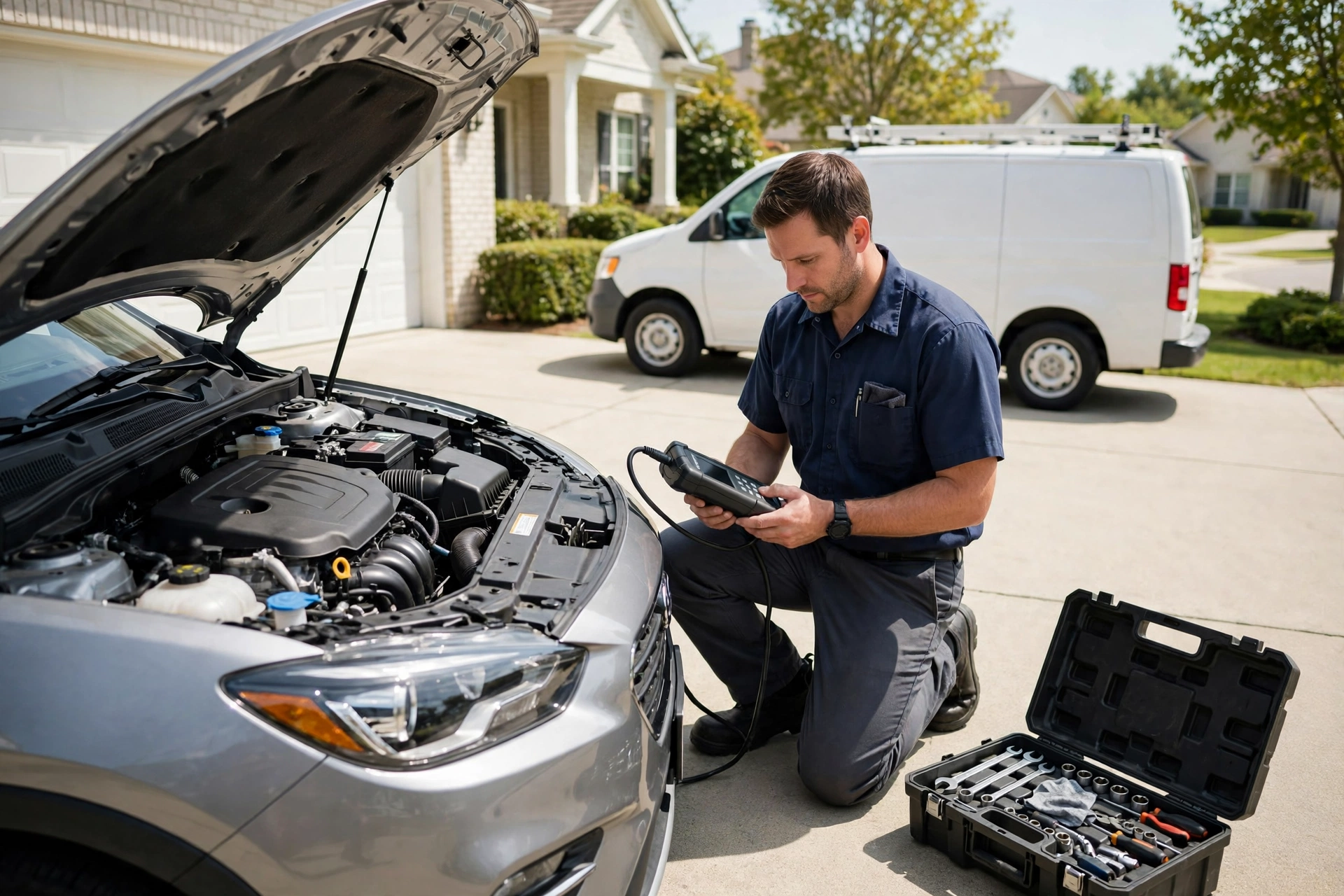
If you know your way around an engine and you are tired of working in someone else’s shop, learning how to start a mobile mechanic business could be the move that turns your trade into your own income. Instead of customers bringing their cars to you, you bring the repair to them — their driveway, their office car park, or the roadside where their car refused to start.
The model works because it solves a real annoyance. Most drivers dread the garage: the waiting room, the courtesy car shuffle, the lost half-day. A mechanic who arrives on time, fixes the problem in the driveway and charges a fair price is the kind of service people recommend to their neighbours. The overhead is far lower than a fixed workshop, and you can start small with one van and a solid tool kit, then grow into fleet work and extra vans as the bookings build up.
This guide walks through the whole launch in ten steps, from choosing your services to winning your first paying customers.
Step 1: Make Sure the Trade Suits You
A mobile mechanic spends the day driving between jobs, working outdoors in all weather and solving problems without a ramp, a parts counter or a colleague to ask. If you enjoy that independence, the work is rewarding. If you prefer a warm workshop and a steady stream of cars arriving on their own, a fixed shop may suit you better.
You need real hands-on ability before you take paying jobs. Anyone researching how to become a mobile mechanic should know the trade comes first and the business skills second. Most successful mobile mechanics have several years of workshop experience, and an ASE certification gives customers a reason to trust a stranger working on their car in their driveway. Certification is not a legal requirement in most places, but it is a strong selling point, and some fleet clients will ask for it before they sign a contract.
Be honest about your limits too. Mobile work suits brakes, batteries, alternators, starters, belts, filters, diagnostics, tune-ups and pre-purchase inspections. Engine rebuilds, gearbox work and anything that needs a lift belongs in a workshop, and saying no to those jobs protects your reputation.
Step 2: Pick Your Services and Your Customers
You cannot be everything to every driver, so the mobile mechanic services you offer should fit one van and one pair of hands. The most profitable mobile jobs are the ones that do not need heavy equipment: brake pads and rotors, batteries, oil and filter changes, spark plugs, sensors, belts and hoses, and check-engine light diagnostics. A good diagnostic scan tool turns fault-finding into high-margin work, because customers pay for the answer as much as for the fix.
Then decide who you want to serve. Private drivers are the obvious market, but fleets are where the steady money sits. Delivery companies, taxi firms, rental depots and small businesses with a handful of vans all need regular servicing, and a fleet contract can fill your diary weeks ahead. Here are a few ideas worth considering when you shape your offer: a brake-and-battery specialist for busy commuters, a pre-purchase inspection service for used-car buyers, an evening and weekend service for people who cannot take time off work, or a fleet maintenance round for local businesses. Pick one niche to lead with and add services later, once the bookings prove the demand.
Step 3: Write a Mobile Mechanic Business Plan
A written plan is the first real step when you learn how to start a mobile mechanic business properly, because it forces you to answer the awkward questions before money is on the line. Your mobile mechanic business plan does not need to be fifty pages. Two or three pages that cover the points below are enough to keep you honest and to show a lender if you ever need one.
Start with your services and prices, your target customers and your service area — most mobile mechanics cover a radius of about 20 to 30 miles from home. Then list your startup costs, your monthly running costs and the number of jobs per week you need to break even. A simple month-by-month forecast for the first year will show you whether the numbers work or whether you need to trim the plan.
Finish with your marketing approach: a Google Business Profile, local Facebook groups, van lettering and a few fleet introductions. If you cannot explain in one paragraph how customers will find you, the plan is not finished yet.
Step 4: Choose a Name and a Legal Structure
Good names for a mobile mechanic business are short, easy to spell over the phone and clear about what you do. Drivers searching on Google will type something plain, so a name that includes your town or your service usually beats a clever pun. Test your shortlist by saying each name out loud, checking the domain is free and making sure the name is not already taken by another garage in your area.
Register the business as a sole trader or form a limited liability company (LLC). An LLC costs a little more to set up but separates your personal assets from the business, which matters when you are working on other people’s cars. Get a free Employer Identification Number (EIN) from the IRS, open a separate business bank account and keep every receipt from day one. Clean books make tax time painless and make a lender far more willing to help later.
Step 5: Licences, Permits and a Mobile Mechanic Business License
Rules vary by state and city, so check with your local authority before you book your first job. In most areas a mobile mechanic business license is simply a general business licence plus a home-occupation permit if you store the van at your house. A few states add an automotive repair dealer registration — California’s Bureau of Automotive Repair, for example, charges a fee for that registration — and some cities require a separate mobile vendor permit.
Certification is worth pursuing even where it is not legally required. ASE certification is the best-known standard in the United States, and it tells customers and fleet managers that your skills have been tested. Keep copies of every licence and certificate in the van as well as at home, because a fleet client or a roadside customer may ask to see them.
Step 6: Get Mobile Mechanic Insurance Before Your First Job
One mistake on a customer’s car can cost far more than the job was worth, so arrange cover before you touch a vehicle. Mobile mechanic insurance usually means three policies: general liability for damage or injury, commercial auto cover for the van, and garage keepers cover for customer vehicles in your care. A $1 million liability policy typically costs somewhere between $600 and $1,500 a year, which is a small price for the protection it gives.
Ask your insurer about tool cover too. Your tool kit is your livelihood, and a van break-in can wipe out thousands of dollars of equipment in minutes. Photograph your tools, keep serial numbers on file and never leave the van unlocked on a job, even for a quick parts run.
Step 7: The Van and Your Tool Kit
Your van is your workshop, so choose it carefully. A used cargo van such as a Ford Transit or Ram ProMaster with a reliable service history is the usual starting point, and it needs room for a rolling tool cabinet, a portable jack and axle stands, a jump pack and a professional scan tool. Add shelving, good lighting and a small inverter so you can run a charger or a work light on site.
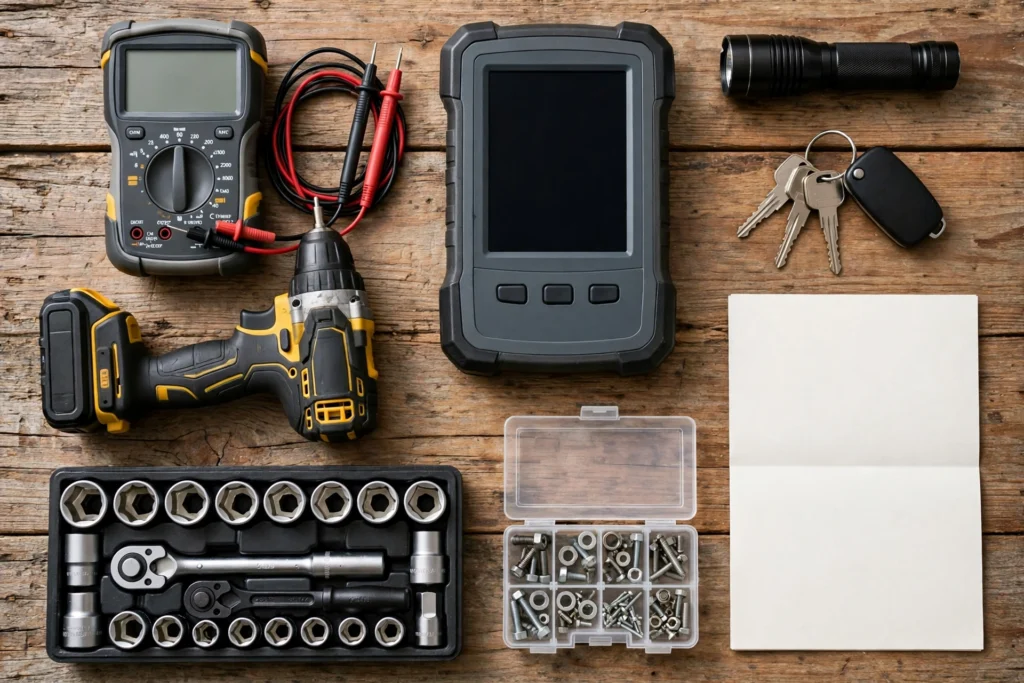
Buy quality mobile mechanic tools once rather than cheap tools twice. The essentials are a full socket and wrench set, a cordless impact driver, a multimeter, a bidirectional scan tool, a torque wrench, a portable jack and stands, drain pans, safety gear and a set of common service parts such as filters, belts and bulbs. You can run the business from home if you have somewhere to park the van and store parts, but keep the driveway tidy — neighbours notice a van full of spares, and a tidy setup keeps everyone friendly.
Step 8: What Does It Cost to Start a Mobile Mechanic Business?
So what does it actually cost in real numbers? If you already own a suitable van and a decent set of tools, you can launch for as little as $5,000 to $20,000. If you need to buy the van and tool up from scratch, expect $30,000 to $60,000, including six months of working capital.
Here is a rough launch budget to plan around:
- Used work van: $15,000 to $30,000
- Professional tools and diagnostic equipment: $5,000 to $15,000
- Business insurance for the first year: $2,000 to $5,000
- Licences, permits and certification fees: $300 to $700
- Working capital for six months: $8,000 to $12,000
Keep a separate emergency fund on top of this. Vans break down, scan tools need updates and quiet months happen, especially in the first year. A mechanic with a cash cushion makes calm decisions; one without it takes bad jobs at bad prices.
Step 9: Set Prices That Cover the Driving
A shop’s labour rate assumes the car comes to a stationary bay. Your billable time competes with driving time, so build travel into your charges with a service-call fee or a slightly higher hourly rate. Most mobile mechanics charge somewhere between $20 and $125 per hour depending on experience and location, plus parts and a call-out fee for the visit.
Charge a diagnostic fee and stick to it. Free diagnostics train customers to take your answer and buy the parts online. Quote every job in writing before you start, list parts and labour separately, and take card payments on the spot with a mobile card reader. Customers who can pay by card book again, and you avoid chasing cash at the end of a long day.
Step 10: Find Your First Customers
The first year of learning how to start a mobile mechanic business is mostly about being found and being trusted. Set up a Google Business Profile with real photos of your van and your work, and ask every happy customer for a review before you leave their driveway. Reviews are the fuel of a mobile trade: drivers choose the mechanic their neighbours already trust.
Join local Facebook and neighbourhood groups, answer car questions helpfully and let the bookings follow. Letter the van with your name, phone number and services so every traffic jam becomes free advertising. Then go after fleet work: visit small delivery firms, taxi offices and rental depots with a one-page offer and a clear price list. One fleet contract can be worth twenty one-off drivers.
You may also see an established local round advertised for sale. Buying an existing round can shortcut the slow first year, but check the books carefully, meet the customers and find out why the owner is selling before you pay anything. A mobile mechanic franchise is another shortcut, but check the fees and the territory rules before you sign anything.
Mistakes New Mobile Mechanics Should Avoid
- Taking on jobs that need a lift or a ramp. Know your limits and refer the big work to a trusted workshop.
- Undercharging to win work. Cheap prices fill the diary with the wrong customers and leave no margin for the van, the fuel or a quiet week.
- Skipping the paperwork. No written quote, no signed approval and no invoice is how disputes start.
- Driving without a plan. Cluster jobs by area, confirm the vehicle and the symptom before you leave, and carry the likely parts so you do not make two trips.
- Ignoring repeat business. A quick message when a service is due keeps customers coming back without any advertising spend.
Frequently Asked Questions
Is it hard to learn how to start a mobile mechanic business?
It is straightforward if you already have workshop experience. The mechanical work is the easy part for most starters; the learning curve is in pricing, scheduling, parts ordering and winning customers. A short business course or a mentor who runs a mobile trade can shorten that learning curve a lot.
Do I need a qualification to become a mobile mechanic?
In most US states there is no legal requirement for a specific qualification, but customers trust a mechanic with ASE certification far more than one without it. Experience matters most, and certification proves it on paper.
Can I run the business from home?
Yes, as long as local rules allow it and you have space to park the van and store parts. Many mobile mechanics start from a home garage and only rent a unit later when fleet work grows. Keep the setup tidy and check whether your area needs a home-occupation permit.
What are the best ideas for a beginner mobile mechanic?
Brake and battery work, oil and filter changes, pre-purchase inspections and check-engine diagnostics are the safest starting points, because they are common, quick and need no heavy equipment. Fleet servicing is the best next step once you have a reputation.
Should I buy an existing mobile mechanic business instead of starting one?
It can work if the customer list is real and the seller’s reason for leaving is honest, such as retirement or relocation. Ask to see a full year of invoices, speak to a few customers and have a mechanic inspect the van and tools before you agree a price.
How much can a mobile mechanic earn?
A typical mobile mechanic salary is not a fixed wage, since most mobile mechanics are self-employed, but a solo operator typically turns over $80,000 to $120,000 a year in revenue, with net margins of around 20 to 35 percent once fuel, parts, insurance and van costs are paid. Fleet contracts and diagnostic work push earnings higher, while a scattered diary and too much driving push them lower.
What should I charge for a call-out fee?
Most mobile mechanics charge a call-out fee of $25 to $75 depending on distance, and many waive it if the customer goes ahead with the repair. State the fee clearly when the customer books, so there are no arguments at the door.
Is a mobile mechanic business profitable?
Yes, when the diary is full and the prices cover the driving. The model has far lower overhead than a fixed garage, so a well-run one-van operation can be profitable in its first year. The risk is a thin diary, which is why reviews, fleet work and repeat customers matter so much.
Final Thoughts
A mobile mechanic business rewards the mechanic who is organised, honest and easy to reach. Start with the jobs you can do well in a driveway, price them so the driving is covered, protect yourself with the right insurance and licences, and let good reviews do the selling for you. The van, the tools and the customers will all grow from there — one driveway at a time.

Soot to Success: How to Start a Chimney Sweep Business

Wrenches on Wheels: How to Start a Mobile Mechanic Business

Foundations First: How to Start a Home Inspection Business

Stamps on the Move: How to Start a Mobile Notary Business

Paws and Paychecks: How to Start a Pet Sitting Business

Vows to Ventures: How to Start a Wedding Planning Business

Bins to Business: How to Start a Dumpster Rental Business

Quarters to Cash Flow: Your Laundromat Business Plan

From Kitchen to Clients: How to Start a Catering Business

On Wheels: How Much Does It Cost to Start a Food Truck

How to Get More Clients for Your Business: Simple Ways That Actually Work

How to Write a Simple Business Plan for Your Small Business: A Practical Guide That Gets You Started

Branding Tips for Small Businesses: A Simple Guide That Makes You Memorable

How to Start Freelancing With No Experience: A Simple Guide That Gets You Your First Client

How to Do a Small Business Competitive Analysis: A Simple Guide That Finds Your Edge
How to Write a Business Proposal for Your Small Business: A Simple Guide That Wins Clients

How to Create a Budget for a Small Business: A Simple Guide That Keeps Your Money in Order
How to Run a Simple Customer Survey for Your Small Business: A Practical Guide That Gets Honest Answers
How to Write a Case Study for Your Small Business: A Simple Guide That Turns Happy Customers Into Sales

How to Keep Customers Coming Back: Simple Ways That Actually Work
Soot to Success: How to Start a Chimney Sweep Business
Wrenches on Wheels: How to Start a Mobile Mechanic Business
Foundations First: How to Start a Home Inspection Business
Stamps on the Move: How to Start a Mobile Notary Business
Paws and Paychecks: How to Start a Pet Sitting Business
Vows to Ventures: How to Start a Wedding Planning Business
Bins to Business: How to Start a Dumpster Rental Business
Quarters to Cash Flow: Your Laundromat Business Plan
From Kitchen to Clients: How to Start a Catering Business
On Wheels: How Much Does It Cost to Start a Food Truck

 entertainment1 year ago
PYT Telegram: A Complete Guide to Understanding, Using, and Maximizing It

 entertainment1 year ago
OnionFlix: Everything You Need to Know About This Streaming Website
- education1 year ago
How to Become a Software Engineer: A Complete Guide
- entertainment10 months ago
Brainrot Memes: The Unhinged Humor of the Internet Generation